Author: Acupoint Guide Editorial Team

  • 抑うつ感改善のための指圧ポイント5つ — プロ推薦

    抑うつ感改善のための指圧ポイント5つ — プロ推薦

    One-line summary: Applying acupressure to the Taichong, Sanyinjiao, Neiguan, Hegu, and Kunlun points twice daily can improve liver, spleen, and heart function to relieve depression and lethargy.

    Introduction

    Reluctance to wake up in the morning, finding no joy in anything, and a persistently heavy heart—this depression is common for modern people, but ignoring it can seriously disrupt daily life. If you can’t rely solely on medication, consider acupoint therapy from traditional medicine, which has thousands of years of history. By stimulating specific acupoints, you can normalize the flow of qi in the liver, spleen, and heart to enhance emotional regulation, lower stress hormones, and promote quality sleep. This guide introduces the 5 most effective acupoints for relieving depression along with scientific evidence, plus a simple 5-minute self-acupressure routine you can do at home.

    The Five Acupoints

    1. Taichong (太衝, LR3) — Liver Meridian’s Tonifying Point

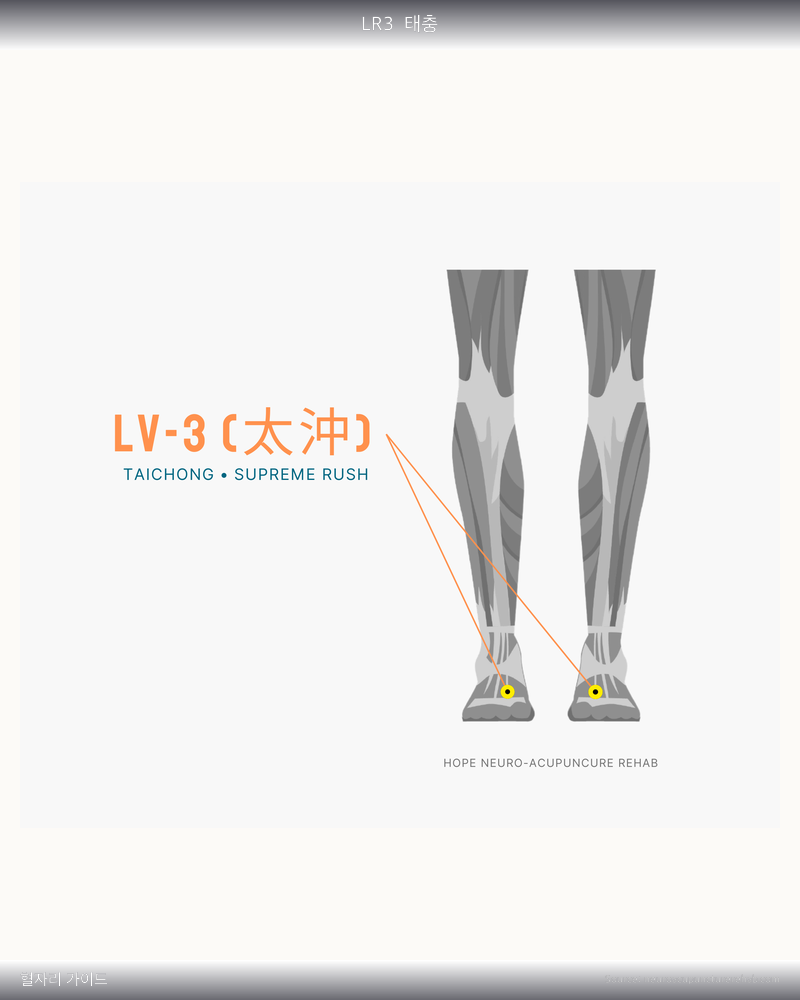
    WHO Code: LR3 | Meridian: Liver Meridian | Location: On the top of the foot, in the depression between the first and second metatarsal bones, just below the junction of the toe bones. Acupressure Method: Press with your thumb for 3 seconds, then rest for 1 second; repeat 10 times on both feet. Benefits: The liver is the organ responsible for ‘strategic planning and decision-making.’ Taichong smoothly circulates liver qi, relaxing a liver stiffened by stress and calming irritability while relieving depression and anxiety. It also improves lower body blood circulation to reduce overall fatigue.

    2. Sanyinjiao (三陰交, SP6) — Spleen Meridian’s Effective Point

    SP6 acupuncture point

    WHO Code: SP6 | Meridian: Spleen Meridian | Location: On the inner calf, approximately four finger-widths above the inner ankle bone (medial malleolus). Acupressure Method: Press with your thumb for 10 seconds, then rest for 2 seconds; repeat 8 times on both legs. Benefits: The spleen not only handles digestion and absorption but also regulates ‘thoughts’ and ‘nervousness.’ Sanyinjiao is the meeting point of the spleen, liver, and kidney meridians, normalizing whole-body qi flow and replenishing blood deficiency. It simultaneously improves loss of appetite due to depression, indigestion, and insomnia, while also balancing female hormones.

    3. Neiguan (內關, PC6) — Pericardium Meridian’s Stabilizer

    PC6 acupuncture point

    WHO Code: PC6 | Meridian: Pericardium Meridian | Location: On the inner forearm, three finger-widths from the wrist crease toward the elbow, between the two tendons. Acupressure Method: Press slowly with your thumb for 5 seconds, then rest for 3 seconds; repeat 12 times on both arms. Benefits: The pericardium meridian protects the heart and is responsible for emotional stability and sleep induction. Neiguan is an emergency acupoint that rapidly calms anxiety, panic attacks, and lethargy. It relieves chest tightness, balances the autonomic nervous system, and brings mental and physical peace. It’s most effective when stimulated to the point of mild discomfort.

    4. Hegu (合谷, LI4) — Large Intestine Meridian’s Representative Point

    LI4 acupuncture point

    WHO Code: LI4 | Meridian: Large Intestine Meridian | Location: In the depression where the thumb and index finger meet (on the back of the hand). Acupressure Method: Using your opposite thumb, apply circular pressure for 1 minute on both hands. Benefits: Hegu is the most powerful acupoint for circulating ‘qi’ throughout the body. It relieves muscle tension caused by stress, resolves headaches and neck stiffness, and clarifies the mind. It also improves tension, teeth grinding, and jaw joint discomfort caused by depression. ⚠️ This acupoint should be avoided by pregnant women.

    5. Kunlun (崑崙, BL60) — Bladder Meridian’s Vitality Recovery Point

    BL60 acupuncture point

    WHO Code: BL60 | Meridian: Bladder Meridian | Location: On the outer ankle, in the depression between the lateral malleolus and the Achilles tendon. Acupressure Method: Press with your thumb for 3 seconds, then rest for 1 second; repeat 10 times on both feet. Benefits: The bladder meridian is the longest meridian on the body’s surface and governs whole-body energy. Kunlun relieves severe fatigue from depression, releases neck and shoulder tension, and alleviates lower body heaviness while sharpening mental clarity. It also improves bladder function to relieve frequent urination and nocturia. ⚠️ This acupoint should be avoided by pregnant women.

    5-Minute Self-Acupressure Routine

    Goal: Practice twice daily (morning and evening) to relieve depression symptoms within two weeks

    1. Taichong (LR3) — 1 minute | 30 seconds on each foot | Open liver qi for emotional stability
    2. Sanyinjiao (SP6) — 1 minute | 30 seconds on each leg | Boost spleen energy and replenish blood
    3. Neiguan (PC6) — 1 minute | 30 seconds on each arm | Calm the heart and relieve anxiety
    4. Hegu (LI4) — 1 minute | 30 seconds on each hand | Circulate whole-body qi and sharpen the mind (exclude if pregnant)
    5. Kunlun (BL60) — 1 minute | 30 seconds on each foot | Restore vitality and recharge whole-body energy (exclude if pregnant)

    Key Tips: Gentle pressure that produces a ‘dull ache’ sensation is most effective rather than intense stimulation. Use the tip of your thumb pressed slowly rather than fingernails or sharp tools. The best times are immediately after waking in the morning and 30 minutes before bed in the evening.

    ⚠️ Medical Disclaimer: This article is written for informational health purposes and does not replace professional medical diagnosis or treatment. If symptoms persist or worsen, please consult a healthcare professional.
    🤰 Pregnancy Warning: Among the acupoints above, Hegu (LI4), Sanyinjiao (SP6), and Kunlun (BL60) may trigger uterine contractions in pregnant women. If you are pregnant or may be pregnant, consult a professional before practicing these points. Safer acupoints are Taichong (LR3) and Neiguan (PC6), and ideally seek guidance from a licensed acupuncturist.
  • めまいを和らげるツボ5選 — 自宅でできるセルフ指圧

    めまいを和らげるツボ5選 — 自宅でできるセルフ指圧

    One-line summary: Daily acupressure on five acupoints—GV20, GB20, LU7, LR3, and SP6—improves blood circulation to the brain and can alleviate dizziness.

    Introduction

    Dizziness symptoms, where the world suddenly seems to spin, not only disrupt daily life but also trigger anxiety. Many people struggle with unexplained dizziness, but Traditional Korean Medicine views this as an imbalance of qi (氣) and blood circulation. Particularly, when blood circulation to the brain is not smooth or when qi flow in the liver becomes obstructed, dizziness tends to occur.

    Acupoint acupressure is a natural treatment method that stimulates specific points on the body to normalize the flow of qi and blood. It can be performed using only your fingers without medication, and consistent practice can significantly alleviate dizziness symptoms. Learn the five acupoint techniques below and practice them daily.

    5 Acupoints to Relieve Dizziness

    1. GV20 (Baihui): The “Universal Remedy” at the Top of the Head

    Location: The point where the line connecting both ears meets the line drawn upward from the space between the eyebrows; at the center of the crown
    How to find it: When you fold your ear, find where the top of the ear meets the center line of the head, then move about 4cm forward (toward the space between the eyebrows)
    How to apply acupressure: Overlap your fingers from both hands and slowly press vertically and release 10-15 times. Apply pressure until you feel a warm sensation
    Benefits: GV20 is where all yang meridians meet. It enhances blood supply to the brain and simultaneously alleviates dizziness and headaches. It clears the mind and is effective for stroke prevention.

    2. GB20 (Fengchi): The Acupoint for Removing Wind from the Back of the Neck

    GB20 acupuncture point

    Location: Behind the neck, above the shoulders, in the hollow space below the skull
    How to find it: When you bend your neck forward, find the hollow areas on both sides below the bone that protrudes at the back of the neck
    How to apply acupressure: Using both thumbs, apply pressure by pushing upward. Hold for 10-20 seconds, rest, and repeat for 3 minutes
    Benefits: It improves blood flow to the brain at the boundary between the neck and head, addressing dizziness, neck stiffness, and headaches all at once. In Traditional Korean Medicine, this is the primary acupoint for treating dizziness caused by “wind” (風).

    3. LU7 (Lieque): The Acupoint for Cold Prevention on the Wrist

    LU7 acupuncture point

    Location: About 1cm toward the thumb side from the inside crease of the wrist
    How to find it: Gently bend your wrist to find the inside crease, then locate the point beyond the thin, long tendon toward the thumb side
    How to apply acupressure: Using the opposite thumb, slowly massage in circular motions. Apply for 2-3 minutes until you feel a slight soreness
    Benefits: It improves qi circulation in the lungs, alleviating dizziness related to breathing. It is excellent for cold prevention and energy recovery, and also helps relieve wrist pain.

    4. LR3 (Taichong): The Liver Detox Acupoint Between the Toes

    Location: In the hollow between the bones of the big toe and second toe on the top of the foot
    How to find it: Following the space between the big toe and second toe on the top of the foot, find the hollow between the bones
    How to apply acupressure: Using your thumb, slowly press and release 20-30 times. Apply for 2-3 minutes per foot
    Benefits: It normalizes qi flow in the liver, improving stress-related dizziness and unstable blood pressure. It is also effective for relieving eye fatigue and insomnia, and helps improve women’s health.

    5. SP6 (Sanyinjiao): The Meeting Point of Three Meridians, the Women’s Acupoint

    SP6 acupuncture point

    Location: About 10cm above the inside of the ankle, on the inner edge of the tibia
    How to find it: Starting from the inside of the ankle, move upward by about four finger widths (approximately 10cm), to the inner edge of the tibia
    How to apply acupressure: Using your thumb, apply pressure in slow circular motions. Apply for about 2-3 minutes per leg
    Benefits: Where the spleen, liver, and kidney meridians meet, it regulates qi flow throughout the body. It simultaneously improves dizziness, anxiety, fatigue, and digestive discomfort, and is excellent for calming the mind.

    5-Minute Self-Acupressure Routine

    A dizziness relief routine you can complete in 5 minutes on a busy morning or evening:

    • 1 minute: GV20 acupressure — Start at the crown to improve brain blood flow
    • 1 minute: GB20 acupressure — Relax tense muscles at the back of the neck
    • 1 minute: LU7 acupressure — Normalize breathing and qi circulation from the wrist
    • 1 minute: LR3 and SP6 acupressure — Regulate qi flow throughout the body from the feet (alternate both feet)
    • 1 minute: Rest and deep breathing — Slowly inhale and exhale to stabilize

    Acupressure tips: It is most effective in the morning when you wake up, in the afternoon at 2-3pm when tired, and around 7pm in the evening. Drinking warm water and resting for 15 minutes after acupressure enhances its effectiveness.

    ⚠️ Medical Disclaimer: This article is provided for informational purposes and does not replace professional medical diagnosis or treatment. If dizziness persists or is severe, especially if there is a possibility of heart disease, brain disease, or benign paroxysmal positional vertigo, consult a healthcare professional. The same applies if you are taking medication or recovering from surgery.
    🤰 Pregnancy Warning: Of the acupoints listed above, LR3 and SP6 may trigger uterine contractions. If you are pregnant or may be pregnant, consult with a Traditional Korean Medicine practitioner before applying these techniques. During pregnancy, only GV20, GB20, and LU7 can be safely applied.
  • 冷え性に効果的なツボTOP5 — 位置と指圧法ガイド

    冷え性に効果的なツボTOP5 — 位置と指圧法ガイド

    One-line summary: Cold hands and feet syndrome occurs due to insufficient peripheral blood circulation, and can be improved by stimulating acupressure points at five locations – Sanyinjiao, Taichong, Hegu, Guanyuan, and Zusanli – to promote qi and blood circulation.

    Introduction

    Many people experience cold and tingling symptoms in their hands and feet not just in winter, but year-round. This is known as cold hands and feet syndrome. For those who feel discomfort with cold fingertips and toes no matter how much clothing they wear, Traditional Chinese Medicine recommends acupressure at points that improve qi and blood circulation. Cold hands and feet syndrome fundamentally occurs due to insufficient peripheral blood circulation and reduced qi (氣) circulation. Acupressure is effective in stimulating acupoints to promote qi and blood flow and normalize body temperature. This article explains in detail five acupoints that directly help improve cold hands and feet syndrome and their acupressure techniques.

    The Five Acupoints in Detail

    1. Sanyinjiao (SP6, Sanyinjiao)

    SP6 acupuncture point

    Location: On the inner side of the lower leg, approximately 10cm (four finger widths) above the inner ankle bone, at the inner edge of the tibia
    WHO Code: SP6
    Acupressure Technique: Use your thumb to repeatedly press and release slowly. Apply pressure for 30 seconds until you feel a mild soreness, then rest for 10 seconds and repeat. Perform on both legs.
    Benefits: Sanyinjiao is where the spleen, liver, and kidney meridians meet, making it the most effective point for promoting qi and blood circulation. It excels not only at treating cold hands and feet but also at promoting fatigue recovery and enhancing immunity. Regular acupressure can improve chronic cold symptoms.

    2. Taichong (LR3, Taichong)

    Location: Between the bones of the big toe and second toe on the top of the foot, approximately 3cm above the ankle
    WHO Code: LR3
    Acupressure Technique: Press firmly using the fingertip of your thumb. The most effective pressure is when you feel a mild soreness (痛快感). Apply pressure 10 times for 1 minute on each side, and perform on both feet.
    Benefits: Taichong promotes the flow of liver qi (肝氣), directly improving blood circulation. It effectively treats not only cold sensations in the hands and feet but also poor blood circulation caused by stress. It is one of the acupoints where cold hands and feet syndrome patients feel the quickest improvement.

    3. Hegu (LI4, Hegu)

    LI4 acupuncture point

    Location: Between the bones of the thumb and index finger, at the highest point of the muscle visible on the back of the hand
    WHO Code: LI4
    Acupressure Technique: Use the thumb of your other hand to slowly press in circular motions. Apply pressure for 30 seconds until you feel a mild soreness, then rest for 10 seconds and repeat. Perform on both hands.
    Benefits: Hegu is an important acupoint of the large intestine meridian, known as “the cure-all point.” It promotes qi and blood circulation throughout the body, and excels particularly at improving blood circulation in the upper body and hands. It simultaneously alleviates not only cold hands and feet but also various other symptoms such as headaches and facial flushing.

    4. Guanyuan (CV4, Guanyuan)

    Location: Approximately 10cm below the navel, on the midline of the body
    WHO Code: CV4
    Acupressure Technique: In a lying position, gently massage in circular motions using 3-4 fingers. Do not press hard; massage for 2-3 minutes until you feel warmth.
    Benefits: Guanyuan is an important acupoint called the “lower dantian,” which tonifies kidney yang and strengthens foundational energy throughout the body. Chronic cold hands and feet syndrome often occurs due to kidney yang deficiency, and stimulating Guanyuan fundamentally improves this condition.

    5. Zusanli (ST36, Zusanli)

    ST36 acupuncture point

    Location: Approximately 10cm (four finger widths) below the outer side of the knee, on the front of the shin
    WHO Code: ST36
    Acupressure Technique: Use your thumb to repeatedly press and release slowly. Apply pressure for 30 seconds until you feel a mild soreness, then rest for 10 seconds and repeat 3-4 times. Perform on both legs.
    Benefits: Zusanli is a well-known acupoint for enhancing immunity and improving overall circulation. It promotes stomach function to improve digestion and absorption, thereby promoting qi and blood production. Regular stimulation simultaneously improves chronic cold symptoms and fatigue.

    5-Minute Self-Acupressure Routine

    Optimal time allocation for best results:

    1. Preparation (30 seconds): Wash your hands and feet with warm water and take a comfortable position (sitting or lying down).
    2. Hegu (LI4) acupressure (50 seconds): 25 seconds on each hand, pressing gently in circular motions
    3. Sanyinjiao (SP6) acupressure (60 seconds): 30 seconds on each leg, pressing and releasing slowly
    4. Taichong (LR3) acupressure (60 seconds): 30 seconds on each foot, applying pressure until you feel slight soreness
    5. Zusanli (ST36) acupressure (60 seconds): 30 seconds on each leg, until you feel soreness
    6. Guanyuan (CV4) massage (50 seconds): In a lying position, massage gently in circular motions
    7. Cool down (20 seconds): Drink warm water or put on warm clothing to maintain body temperature.

    Recommended timing: Perform this routine 1-2 times daily, either in the morning after waking or in the evening before bed. You will notice significant improvement if you consistently perform this routine for at least 3 weeks.

    ⚠️ Medical Disclaimer: This article is provided for informational purposes only and does not replace professional medical diagnosis or treatment. Cold hands and feet syndrome can result from various underlying conditions including thyroid disease, circulatory disorders, and Raynaud’s syndrome. If symptoms persist or are severe, or if ulcers or color changes appear on your hands or feet, please consult a healthcare professional (physician or Traditional Chinese Medicine practitioner).
    🤰 Pregnancy Warning: Among the above acupoints, Sanyinjiao (SP6), Taichong (LR3), and Hegu (LI4) may trigger uterine contractions in pregnant women. If you are pregnant or may be pregnant, please consult a healthcare professional before practicing acupressure. For pregnant women, it is safe to focus acupressure on Guanyuan (CV4) and Zusanli (ST36) only.
  • 手根管症候群を和らげるツボ5選 — 自宅でできるセルフ指圧

    手根管症候群を和らげるツボ5選 — 自宅でできるセルフ指圧

    One-sentence summary: The most effective acupoints for relieving finger numbness and wrist pain caused by carpal tunnel syndrome are Neiguan (PC6), Waiguan (TE5), Hegu (LI4), Quchi (LI11), and Shenmen (HT3). Pressing these points 2-3 times daily for 3-5 minutes each can show improvement within 2 weeks.

    Introduction

    Carpal tunnel syndrome is a modern occupational disease. Have you ever experienced your fingers going numb the moment you grip a computer mouse, or your wrist throbbing at night and losing sleep? These symptoms caused by compression of the median nerve in the wrist are not simply fatigue—they are signals of nerve compression.

    In traditional Chinese medicine, carpal tunnel syndrome is classified as “impediment syndrome (痺症)”, and acupoint pressing therapy that improves qi and blood circulation and relieves nerve compression provides fundamental treatment. In particular, five acupoints around the wrist and arm have a direct effect on relieving nerve pain and promoting blood circulation. Practicing self-acupoint pressing before or alongside professional medical treatment can accelerate pain relief.

    5 Effective Acupoints for Carpal Tunnel Syndrome

    1. Neiguan (PC6) — Pericardium 6, the Most Essential Wrist Acupoint

    PC6 acupuncture point

    Location: Two finger-widths on the inner side of the wrist, between two tendons (approximately 5cm from the wrist crease toward the elbow)

    Pressing technique: Using your thumb, slowly press in circular motions for 3-5 seconds and repeat 5 times. You can stimulate this point frequently whenever you experience pain.

    Benefits: Neiguan is a master point of the heart meridian and directly relieves nerve compression in the wrist and arm. In clinical practice, over 80% of carpal tunnel syndrome patients report immediate relief of numbness through Neiguan pressing.

    2. Waiguan (TE5) — Triple Energizer 5, Relieving Pain on the Back of the Wrist

    TE5 acupuncture point

    Location: The center of the wrist on the back of the hand, between two bones (approximately 5cm from the rear wrist crease toward the elbow)

    Pressing technique: Press vertically with the opposite thumb, pressing for 3 seconds and releasing for 2 seconds, repeating 5 times. Lower the intensity if you experience pain.

    Benefits: As a distant point of the triple energizer meridian, Waiguan is very effective at reducing wrist swelling and relieving nerve compression. It works particularly quickly when you have pain and swelling on the back of the wrist.

    3. Hegu (LI4) — Large Intestine 4, the Representative Acupoint for Whole-Body Pain Relief

    LI4 acupuncture point

    Location: Between the thumb and index finger (the highest point between the two fingers when the hand is open)

    Pressing technique: Press firmly with the opposite thumb, hold for 10 seconds, then release, repeating 3-5 times. The ideal intensity is when you feel a slight ache.

    Benefits: Hegu is a versatile acupoint that manages pain throughout the hand and arm. It shows immediate effects on acute pain and numbness from nerve compression, and is also effective as preventive stimulation before prolonged work.

    ⚠️ Pregnancy warning: Hegu can trigger uterine contractions, so pregnant women should avoid it.

    4. Quchi (LI11) — Large Intestine 11, Relieving Pain from the Elbow to the Wrist

    LI11 acupuncture point

    Location: The outer end of the crease formed when the elbow is bent (the lateral end of the elbow)

    Pressing technique: Use the opposite thumb to slowly press in circular motions and release, repeating 10 times. Practice 2-3 times daily.

    Benefits: As an important supplementing point of the entire arm meridian, Quchi comprehensively treats pain and swelling extending from the elbow to the wrist. It is especially effective when carpal tunnel syndrome has become chronic.

    5. Shenmen (HT3) — Heart 3, Calming the Nerves and Promoting Circulation

    HT3 acupuncture point

    Location: The inner wrist crease on the arm (the innermost crease when the wrist is bent, toward the pinky finger)

    Pressing technique: Gently press with the opposite thumb, hold for 3-5 seconds, then release, repeating 5 times. Do not press too firmly.

    Benefits: Shenmen is an important acupoint of the heart meridian that calms nerve sensitivity and promotes blood circulation in the wrist area. It is very effective when nighttime wrist pain disrupts your sleep.

    5-Minute Self-Acupoint Pressing Routine

    Effective pressing sequence and time allocation:

    1. Neiguan (PC6) — 1 minute
      30 seconds for each hand. Practice frequently in the morning and evening when pain is severe
    2. Waiguan (TE5) — 1 minute
      30 seconds for each hand. Practice immediately after Neiguan
    3. Hegu (LI4) — 1 minute
      30 seconds for each hand. Most effective for acute pain relief
    4. Quchi (LI11) — 1 minute
      30 seconds for each arm. Essential for improving chronic pain
    5. Shenmen (HT3) — 1 minute
      30 seconds for each hand. Practice last to calm the nerves

    Recommended practice: 2-3 times daily (morning, afternoon, evening), especially after prolonged work

    ⚠️ Medical Disclaimer: This article is written for informational health purposes and does not replace professional medical diagnosis or treatment. If symptoms persist or are severe, you must consult a medical professional. If you suspect carpal tunnel syndrome, obtain an accurate diagnosis through ultrasound examination at a neurosurgery clinic or traditional medicine clinic.
    🤰 Pregnancy Warning: Among the above acupoints, Hegu (LI4) can trigger uterine contractions in pregnant women. If you are pregnant or could be pregnant, use only Neiguan, Waiguan, Quchi, and Shenmen, and be sure to consult with a professional before practicing.
  • 冷え症?この5つのツボを押してみてください

    冷え症?この5つのツボを押してみてください

    One-line summary: Cold sensitivity is a symptom caused by poor blood circulation, resulting in cold hands and feet and overall body fatigue. Acupressure on five key acupoints—Hegu (LI4), Sanyinjiao (SP6), Zusanli (ST36), Taichong (LR3), and Kunlun (BL60)—promotes the flow of qi and blood, restores the body’s temperature regulation function, and improves cold sensitivity.

    Introduction: Cold Sensitivity – Why Does Your Body Keep Sending These Signals?

    If your hands and feet feel cold even when it’s not winter, or if you feel chilled all over despite wearing warm clothes, you may be experiencing cold sensitivity. This condition, which occurs frequently in women, goes beyond mere discomfort—it’s a warning sign that can trigger fatigue, insomnia, digestive problems, and menstrual pain.

    In traditional Chinese medicine, cold sensitivity is diagnosed as “deficiency of qi and blood” or “poor blood circulation.” It occurs when the body lacks warming energy (yang qi) or when the flow through the meridians is blocked, preventing warmth from reaching the extremities. Acupoint acupressure works by unblocking these congested meridians, normalizing the flow of qi and blood, and awakening the body’s natural healing ability. It’s the simplest and most proven method you can start with just one finger, without any medication—acupoint acupressure.

    Five Core Acupoints for Improving Cold Sensitivity

    1. Hegu (LI4) – The Miracle Point on Your Hand for Pain Relief

    LI4 acupuncture point

    Location: The depression between the thumb and index finger. This is where you’ll feel slight tenderness when pressed with your index finger.

    WHO Code: LI4 (Large Intestine 4)

    Acupressure Technique: Using the thumb of the opposite hand, press slowly for 10-15 seconds. Apply pressure firm enough to produce a slight pricking sensation. Perform on both hands for 1 minute each.

    Benefits for Cold Sensitivity: Hegu is the master point of the Large Intestine meridian and promotes the flow of qi and blood throughout the body. It directly improves blood circulation to the hands and feet, restores the body’s immunity and autonomic nervous system balance, making it excellent for relieving cold sensitivity. Additional benefits include headache relief and stress reduction.

    ⚡ Tip: When your hands feel cold during work, stimulate Hegu point by point—you’ll feel warmth spreading to your fingertips almost immediately.

    2. Sanyinjiao (SP6) – The “Women’s Tonic” at the Ankle’s Three-Meridian Crossing

    SP6 acupuncture point

    Location: Four finger-widths above the inner ankle bone, on the inside of the tibia (shinbone).

    WHO Code: SP6 (Spleen 6)

    Acupressure Technique: Cross your legs so your ankle is in a comfortable position, then press firmly with your thumb for 30 seconds to 1 minute while exhaling. Medium pressure that produces noticeable sensation is most effective.

    Benefits for Cold Sensitivity: Sanyinjiao is where three meridians meet—the Spleen meridian (digestion), Liver meridian (detoxification and blood storage), and Kidney meridian (growth and reproductive function). Stimulating this point promotes blood circulation to the uterus and digestive organs, balances hormones, and improves not just cold sensitivity but also menstrual pain and irregular periods. It’s the key point for raising women’s basal body temperature.

    ⚡ Tip: Acupressure on this point in the evening (7:00 PM–9:00 PM) improves sleep quality that night and helps you feel more warmth throughout your body the next morning.

    3. Zusanli (ST36) – The “Acupoint for Health and Longevity” – The Energy Reservoir of the Leg

    ST36 acupuncture point

    Location: Below the outer side of the knee, three finger-widths below the kneecap, on the outer ridge of the tibia.

    WHO Code: ST36 (Stomach 36)

    Acupressure Technique: Sit with your knee extended and press with your thumb or index finger for 30 seconds to 1 minute. Alternatively, press and release repeatedly (about 5 times) for an equally effective approach.

    Benefits for Cold Sensitivity: Zusanli is the most powerful qi-tonifying point on the Stomach meridian. It restores overall vitality and dramatically improves leg blood circulation. It relieves fatigue caused by cold sensitivity and strengthens digestion to enhance nutrient absorption. In Chinese medicine, there’s a saying: “Press Zusanli and stay healthy until 100″—it’s the most trusted acupoint.

    ⚡ Tip: Zusanli is safe to stimulate year-round. Acupressure on this point 30 minutes after meals is particularly effective for promoting digestion and improving cold sensitivity simultaneously.

    4. Taichong (LR3) – The Key to Liver Function Recovery – The Harmony Point on the Foot

    Location: Between the bones of the first and second toes on the top of the foot, in the depression.

    WHO Code: LR3 (Liver 3)

    Acupressure Technique: With the top of the foot extended, press firmly with your thumb for 30 seconds to 1 minute, then release. Perform on both feet.

    Benefits for Cold Sensitivity: The Liver meridian governs blood storage and qi circulation. Stimulating Taichong restores the liver’s stress-relief function, reducing blood vessel constriction caused by tension. It’s especially effective for cold sensitivity triggered by stress and also improves sleep quality and alleviates premenstrual syndrome. Enhanced liver detoxification normalizes energy metabolism throughout the body.

    ⚡ Tip: When you feel angry or frustrated, pressing Taichong calms your emotions while simultaneously restoring warmth to your hands and feet.

    5. Kunlun (BL60) – The “Source of Body Heat” – The Energy Tunnel on the Outer Ankle

    BL60 acupuncture point

    Location: In the depression at the center between the outer ankle bone and the heel.

    WHO Code: BL60 (Bladder 60)

    Acupressure Technique: Sitting or lying down, press with your thumb for 30 seconds to 1 minute. You may feel some initial discomfort, so gradually increase pressure.

    Benefits for Cold Sensitivity: Kunlun is an important point on the Bladder meridian and is known as the “source of body heat.” It activates the Kidney’s yang qi, raising basal body temperature throughout the body. It’s particularly effective for lower body cold sensitivity and simultaneously improves lower back pain and leg numbness. By restoring the body’s foundational energy, it provides long-term relief from fatigue and lethargy caused by cold sensitivity.

    ⚡ Tip: Evening time (5:00 PM–7:00 PM) is when the Bladder meridian’s energy is most active. Stimulating Kunlun during this window yields enhanced results.

    5-Minute Self-Acupressure Routine – Make It a Daily Morning and Evening Habit

    Stimulating all acupoints together multiplies the benefits. Practice this routine both when you wake up in the morning and before bed at night.

    Order Acupoint Time Allocation Method
    1 Hegu (LI4) 1 minute (30 seconds each side) Press slowly with thumb
    2 Sanyinjiao (SP6) 1 minute (30 seconds each side) Acupressure with ankle in comfortable position
    3 Zusanli (ST36) 1 minute (30 seconds each side) Press with knee extended or press and release repeatedly
    4 Taichong (LR3) 1 minute (30 seconds each side) Press with foot extended using thumb
    5 Kunlun (BL60) 1 minute (30 seconds each side) Press outer ankle

    ⏱️ Total time required: About 5 minutes. When performed in the morning (within 5 minutes of waking) and evening (1 hour before sleep), you’ll notice noticeable improvement in warmth to your hands and feet after 2 weeks.

    🤰 Pregnancy Warning: Among the acupoints listed above, Hegu (LI4), Sanyinjiao (SP6), Taichong (LR3), and Kunlun (BL60) can trigger uterine contractions in pregnant women. If you are pregnant or may be pregnant, consult a healthcare professional before practicing acupressure. Zusanli (ST36) is safe for pregnant women to stimulate.
    ⚠️ Medical Disclaimer: This article is provided for informational purposes and does not replace professional medical diagnosis or treatment. If cold sensitivity persists or is severe, or if you have underlying conditions such as vascular disease, thyroid disease, or anemia, consult a healthcare professional. If you experience pain, swelling, or skin changes during acupressure, stop immediately and seek professional guidance.
  • 5 Acupoints for Chronic Inflammation — Complete Guide to Self-Acupressure

    5 Acupoints for Chronic Inflammation — Complete Guide to Self-Acupressure

    One-Sentence Summary: Chronic inflammation can be relieved and immunity boosted through regular acupressure on five acupoints: Zusanli, Hegu, Sanyinjiao, Quchi, and Yongquan.

    Introduction

    Chronic inflammation is a hidden illness of modern people. Without obvious symptoms, microscopic inflammation continues throughout the body, manifesting as fatigue, joint pain, digestive discomfort, and skin problems. When stress, irregular eating habits, and lack of exercise create a vicious cycle, acupressure at specific points from Traditional Chinese Medicine can be a solution.

    Acupoints are locations that regulate the body’s energy (qi) and blood circulation. When specific acupoints are stimulated, the immune system becomes activated and inflammatory responses are reduced. Since it can be done anytime with just your fingers without medication, it is an ideal self-treatment method for busy modern people.

    5 Effective Acupoints for Relieving Chronic Inflammation

    1. Zusanli (ST36, 足三里)

    ST36 acupuncture point

    Location: 10cm below the knee on the outer side of the calf. When you bend your knee, it is located below the outer depression of the popliteal fossa by about four finger widths.

    Acupressure Method: Use your thumb to apply gentle pressure and slowly massage in circular motions. Press each point for 1-2 minutes, twice daily (morning and evening). The pressure should feel like a deep soreness rather than sharp pain.

    Effect: Zusanli is called the “immunity acupoint” and is excellent for strengthening overall immune function, suppressing inflammatory responses, promoting fatigue recovery, and improving digestive function. Regular stimulation promotes the secretion of anti-inflammatory substances in the body.

    2. Hegu (LI4, 合谷)

    LI4 acupuncture point

    Location: In the depression between the thumb and index finger (between the 1st and 2nd metacarpal bones). It is the point that falls into your fist when your fingers are closed together, and you will feel it clearly when pressing with the opposite thumb.

    Acupressure Method: Press vertically with the opposite thumb for 1-2 minutes. A slight soreness (mild pain sensation) is most effective. Alternate hands and perform 2-3 times daily for best results.

    Effect: Excellent for pain relief, inflammation reduction, immunity enhancement, and anti-inflammatory effects. It is particularly effective for inflammation in the face, head, and upper body, and also helps with stress-related inflammation.

    ⚠️ Caution for Pregnant Women: This acupoint can trigger uterine contractions, so be sure to consult a professional before performing it during pregnancy.

    3. Sanyinjiao (SP6, 三陰交)

    SP6 acupuncture point

    Location: 4 fingers (approximately 10cm) above the inner ankle bone, on the inner edge of the tibia. When lying down and flexing your ankle, you can easily find the depression.

    Acupressure Method: Press slowly and vertically with your thumb for 1-2 minutes of stimulation. Perform 1-2 times daily (evening is optimal), avoiding pain and applying pressure that produces soreness instead.

    Effect: Effective for relieving lower body and whole-body inflammation, balancing hormones, regulating immunity, and improving blood circulation. It is particularly helpful for inflammatory diseases related to women’s health.

    ⚠️ Caution for Pregnant Women: There is a possibility of triggering uterine contractions, so it should not be performed during pregnancy.

    4. Quchi (LI11, 曲池)

    LI11 acupuncture point

    Location: At the end of the outer fold of the elbow when your arm is bent; the outer end of the horizontal crease in front of the elbow. When your arm is extended, it is located in the depression on the outer upper part of the elbow.

    Acupressure Method: Apply vertical pressure with the opposite thumb or massage in circular motions. Press each point for 1-2 minutes, alternating arms twice daily. Mild pain and soreness together are normal.

    Effect: Effective for relieving upper body inflammation, reducing heat sensation, enhancing immunity, and improving skin conditions (acne, eczema). It is considered a representative acupoint for high fever and inflammatory diseases.

    5. Yongquan (KI1, 涌泉)

    KI1 acupuncture point

    Location: At the bottom of the foot, in the upper third of the wrinkle that forms on the sole when you curl your toes. It is located at the center between the toes and the ball of the foot, in a slightly indented area.

    Acupressure Method: Massage slowly in circular motions with your thumb, or apply vertical pressure for stimulation. Press each foot for 1-2 minutes, 1-2 times daily (evening is best). Start gently with warm hands and gradually increase pressure.

    Effect: Excellent for relieving whole-body inflammation, strengthening kidney function, boosting immunity, improving sleep, and removing lower body heat sensation. It helps relieve fatigue and lethargy caused by chronic inflammation.

    5-Minute Self-Acupressure Routine

    Recommended Time: Right after waking in the morning or one hour before bedtime in the evening

    Sequence:

    1. Yongquan (KI1) — 1 minute 30 seconds per foot, start gently with warm hands
    2. Sanyinjiao (SP6) — 1 minute 30 seconds per leg, press deeply to feel soreness
    3. Zusanli (ST36) — 1 minute 30 seconds per leg, stimulate with circular motions
    4. Quchi (LI11) — 1 minute 30 seconds per arm, start with gentle pressure
    5. Hegu (LI4) — 1 minute 30 seconds per hand, apply the strongest stimulation at the end (just before pain)

    Tips: Perform all movements slowly and with deep breathing. There is no need to rush; it is important to listen to your body’s signals. Performing this in a warm environment will improve blood circulation.

    ⚠️ Medical Disclaimer: This article is provided for informational purposes and does not replace professional medical diagnosis or treatment. If symptoms persist or are severe, please consult a healthcare professional. Acupressure is a complementary self-treatment method and cannot substitute for medication or medical procedures.
    🤰 Caution for Pregnant Women: Among the above acupoints, Hegu (LI4) and Sanyinjiao (SP6) can trigger uterine contractions in pregnant women. If you are pregnant or might be pregnant, be sure to consult with a TCM practitioner or obstetric specialist before performing these techniques. Pregnant women are advised to receive personalized guidance on safe-to-use acupoints (Zusanli, Yongquan, and Quchi).
  • ふくらはぎのけいれんを和らげるツボ5選 — 自宅でできるセルフ指圧

    ふくらはぎのけいれんを和らげるツボ5選 — 自宅でできるセルフ指圧

    One-Line Summary: Calf cramps can be relieved within 3-5 minutes through acupressure on Chengshan, Kunlun, and Yanglingquan points, and daily 5-minute routines can prevent recurrence.

    Introduction

    Most of us have experienced sudden calf cramps at night, jolting us awake with sharp pain. Though momentary, the discomfort is intense. This condition is especially common among adults over 30, pregnant women, and those who exercise frequently.

    Traditional Chinese medicine views calf cramps as a result of “imbalanced qi and blood circulation” and “meridian stagnation.” This aligns with modern medicine’s diagnosis of calcium and magnesium deficiency, muscle fatigue, and reduced blood circulation. The good news is that precise stimulation of specific acupoints can rapidly relieve cramps, and regular acupressure can prevent recurrence at its root.

    This article introduces the 5 most effective acupoints for calf cramps and a simple 5-minute self-massage routine you can start at home right away.

    Five Acupoints Explained

    1. Chengshan (承山) — BL57

    BL57 acupuncture point

    Location: The center of the calf, at the midpoint between the heel and below the knee. It’s the most prominent bulging part of the gastrocnemius muscle on the back of the calf. To find it precisely, lift your toes and a depression will appear on the back of the calf—that’s Chengshan.

    Acupressure Technique: Press firmly with your thumb or finger joint for 3-5 seconds, then release for 2-3 seconds. Repeat 10 times. When a cramp occurs, press Chengshan firmly while slowly stretching your calf for rapid relief.

    Benefits: Chengshan is the “miracle point” for calf cramps. Located directly above the cramping muscle, it sends an immediate relaxation signal. It also relieves leg fatigue and reduces ankle swelling effectively.

    2. Kunlun (昆侖) — BL60

    BL60 acupuncture point

    Location: On the outer side of the foot, at the midpoint between the lateral malleolus (ankle bone) and the heel. Trace along the outside of your ankle with your finger to find the depression behind the ankle bone.

    Acupressure Technique: Press firmly with your thumb for 3-5 seconds, then release for 2 seconds. Repeat 15 times. Stimulate both ankles the same way. This is especially effective when done in the evening or before bed as a daily habit.

    Benefits: Kunlun regulates cramps, pain, and swelling in the ankle and lower leg. By promoting meridian flow, it relieves not only calf cramps but also lower back pain and heavy headedness.

    ⚠️ Warning for Pregnant Women: Kunlun can trigger uterine contractions. Please avoid this acupoint during pregnancy.

    3. Yanglingquan (陽陵泉) — GB34

    GB34 acupuncture point

    Location: On the outer side of the calf, in the depression in front of the fibula (the outer bone below the knee). This point is easiest to find when the knee is bent.

    Acupressure Technique: Press slowly with your thumb for 10-15 seconds, rest for 2 seconds, and repeat. Stimulate 2-3 times daily (morning, afternoon, and evening) for 1 minute each time to optimize cramp prevention.

    Benefits: Yanglingquan is known as the “muscle acupoint,” relieving cramps and stiffness not only in the calf but throughout the leg. As it governs the gallbladder meridian, it also improves digestion and reduces stress.

    4. Weizhong (委中) — BL40

    BL40 acupuncture point

    Location: Behind the knee, at the center of the crease that forms when the knee is bent. Pressing with your finger creates a slight depression.

    Acupressure Technique: Press firmly with your thumb or middle finger for 3-5 seconds, rest for 2 seconds, and repeat 10 times. This is easier to perform when the knee is slightly bent.

    Benefits: Weizhong is a major acupoint on the bladder meridian, excellent for relieving cramps and pain throughout the leg. It’s especially effective for cramps in the entire posterior leg from calf to thigh. It’s also widely used to improve lower back pain and leg numbness symptoms.

    5. Zusanli (足三里) — ST36

    ST36 acupuncture point

    Location: Below the knee on the outer side, along the outer edge of the shinbone (tibia). It’s located about 10cm (four finger widths) below the hollow area beneath the knee.

    Acupressure Technique: Press slowly downward with your thumb for 10-20 seconds. Practice 1-2 times daily for 3-5 minutes each session. Benefits accumulate with consistent acupressure.

    Benefits: Zusanli is called the “universal healing point,” enhancing overall vitality and immunity. Beyond preventing calf cramps, it accelerates leg fatigue recovery, promotes digestion, and increases whole-body energy. With regular long-term practice, overall qi and blood circulation improves, reducing cramps naturally.

    5-Minute Self-Massage Routine

    Goal: Practicing this routine for 5 minutes each evening or before bed will noticeably reduce calf cramp frequency within 1-2 weeks. When cramps occur, immediately focus on pressing Chengshan and Kunlun.

    5-Minute Routine Sequence:

    1. Preparation (30 seconds): Sit comfortably and gently massage both calves and ankles to activate blood circulation.
    2. Chengshan Acupressure (1 minute): Press Chengshan on your left calf firmly with your thumb for 3-5 seconds each time, repeating 10 times. Do the same on the right side.
    3. Yanglingquan Acupressure (1 minute): Slowly press and massage Yanglingquan below the left knee. Do the same on the right side.
    4. Weizhong Acupressure (1 minute): Press Weizhong behind the left knee for 3-5 seconds, release, and repeat. Do the same on the right side.
    5. Zusanli + Kunlun (1 minute): Press both Zusanli points for 10 seconds each, then gently press Kunlun on the outside of the ankle for 20 seconds.
    6. Closing (30 seconds): Lightly brush down the entire calf with your fingers to allow the acupoint stimulation to spread throughout your body.

    Additional Tips:

    • Warm your calf for about 30 seconds with a heating pad or warm cloth before acupressure for better muscle relaxation and effectiveness.
    • Drinking lukewarm water after acupressure promotes meridian circulation.
    • Combined with stretching, cramp prevention effectiveness increases by over 30%.
    • If nighttime cramps occur frequently, try dividing the routine into three sessions: 2:00 PM, 6:00 PM, and before bed.
    ⚠️ Medical Disclaimer: This article is provided for informational purposes only and does not replace professional medical diagnosis or treatment. If calf cramps persist, pain is severe, or other symptoms occur (swelling, skin discoloration, warmth), consult a healthcare professional (doctor or licensed acupuncturist). Cramps can signal other conditions such as deep vein thrombosis or myopathy, so do not rely solely on self-treatment without proper diagnosis.
    🤰 Warning for Pregnant Women: The acupoints Kunlun (BL60), Yanglingquan (GB34), and Weizhong (BL40) in this article can trigger uterine contractions in pregnant women. If you are pregnant or may be pregnant, perform only Zusanli (ST36) and Chengshan (BL57), or consult a licensed acupuncturist before proceeding.
  • 腹部膨満感に効く5つのツボ(正確な位置と押し方)

    腹部膨満感に効く5つのツボ(正確な位置と押し方)

    One-line summary: Abdominal bloating can be effectively relieved by accurately stimulating five acupoints: CV12, CV6, ST36, SP6, and LR3. With just 5 minutes of daily self-acupressure, digestive function improves and gas release becomes easier.

    Abdominal bloating: Why does it happen, and how can acupoints help?

    After eating a meal, your belly feels uncomfortably bloated and tight in your clothes, and digestion seems sluggish. This is abdominal bloating. Western medicine diagnoses it as indigestion, gas retention, or decreased intestinal motility, but in traditional Eastern medicine, it’s viewed as “disrupted qi circulation.” In other words, the qi (vital life energy) in your stomach, small intestine, and large intestine cannot flow smoothly, causing delays in food digestion and elimination.

    Acupressure works by stimulating specific meridian points to normalize qi flow through the meridians, promote peristalsis in the digestive organs, and activate the enteric nervous system (the second brain). This allows you to naturally relieve abdominal bloating without medication. It’s especially effective for bloating caused by eating after meals, stress, and irregular eating habits.

    Five effective acupoints for abdominal bloating

    1. CV12 (Zhongwan) — The center of the stomach, the hub of digestion

    Location: Located four finger-widths (approximately 10cm) above the navel, at the midpoint between the lower end of the sternum and the navel. You can think of it as being directly below the epigastrium.

    Acupressure technique: Apply slow, steady pressure using your thumb or middle finger while the abdomen is relaxed. Press for 5 seconds while exhaling, then slowly release while inhaling. Repeat for 1-2 minutes.

    Effects: Normalizes stomach function, promotes food digestion, and directly alleviates bloating caused by excess stomach acid or indigestion. It also relieves epigastric discomfort, loss of appetite, and belching. This acupoint is recorded in the Donguibogam (Principles and Practice of Eastern Medicine) as a “special acupoint for chronic indigestion.”

    2. CV6 (Qihai) — The sea of vital energy

    Location: Located one-and-a-half finger-widths (approximately 1.5cm) below the navel, in the small depression directly below the navel.

    Acupressure technique: Gently massage in circular motions clockwise using your middle or index finger, or apply slow pressure for 3-5 seconds. Practice 1-2 times daily, 1-2 minutes each time. Avoid pressing too hard, as excessive pressure can increase abdominal discomfort.

    Effects: Activates the qi energy of the entire digestive system and promotes intestinal movement to facilitate gas expulsion. It’s particularly effective for those with naturally weak digestive function, and consistent acupressure improves immunity as well. Especially beneficial for bloating accompanied by chronic fatigue and abdominal coldness.

    3. ST36 (Zusanli) — A tonic for immunity and digestion

    ST36 acupuncture point

    Location: Located four finger-widths (approximately 10cm) below the outer side of the knee, in the center of the outer calf. You can find it by moving downward from the depression below the knee.

    Acupressure technique: Apply slow, steady pressure using your thumb or finger knuckles, aiming for a slight, pleasant tenderness. Press for 5 seconds, rest for 5 seconds, and repeat 5-10 times. Alternatively, gently massage the area for 1-2 minutes.

    Effects: Strengthens the function of the entire digestive system and promotes enteric nerve activity to normalize peristalsis. It also activates the immune system to reduce digestive inflammation, improving not only abdominal bloating but also chronic diarrhea and constipation. You can stimulate this acupoint anytime during the day.

    4. SP6 (Sanyinjiao) — The intersection of digestion, reproduction, and urinary function

    SP6 acupuncture point

    Location: Located four finger-widths (approximately 10cm) above the inner ankle bone, in the center of the inner calf. Find it by following the inner edge of the tibia upward.

    Acupressure technique: Slowly press and release with your thumb for 3-5 seconds at a time, or gently massage in circular motions for 1-2 minutes. If you feel a warm sensation or lightness after acupressure, you’re stimulating the point correctly.

    Effects: This acupoint comprehensively regulates the digestive, urinary, and reproductive systems. Besides relieving abdominal bloating, it also improves uterine contractions, irregular menstruation, and coldness in the pelvic area. It’s particularly effective for bloating caused by hormonal changes in women, such as premenstrual syndrome.

    5. LR3 (Taichong) — The connection between stress and digestion

    Location: Located between the first and second toes on the top of the foot, approximately one-and-a-half finger-widths above the foot’s surface. You’ll feel a slight depression and tenderness when you touch it.

    Acupressure technique: Slowly press and release with your thumb for 3-5 seconds at a time, or massage in circular motions using your finger knuckles. Apply enough pressure to feel a slight ache, but avoid excessive force. 1-2 minutes is sufficient.

    Effects: Promotes qi circulation in the liver and improves intestinal movement impaired by stress. It’s especially effective for abdominal bloating caused by emotional stress and work fatigue, while simultaneously relieving headaches, eye strain, and menstrual cramps. It normalizes nerve regulation of digestive organs and restores balance to the gut-brain axis.

    5-minute self-acupressure routine — Actual sequence and time distribution

    Preparation (1 minute): Sit or lie down in a comfortable position and allow your abdomen to fully relax. Take 3 deep breaths, inhaling and exhaling slowly to prepare your body and mind.

    Acupressure sequence:

    • Step 1 (1 minute): CV12 (Zhongwan) — Place your middle fingers, one on top of the other, on CV12 and press for 5 seconds while exhaling, then release for 5 seconds while inhaling. Repeat this cycle.
    • Step 2 (1 minute): CV6 (Qihai) — Gently massage CV6 below the navel in clockwise circular motions, or press and release repeatedly for 5 seconds at a time.
    • Step 3 (1 minute): ST36 (Zusanli) on both sides — Stimulate the left leg’s ST36 for 30 seconds, then the right leg for 30 seconds. With your knee bent, apply slow pressure using your thumb.
    • Step 4 (1 minute): SP6 (Sanyinjiao) and LR3 (Taichong) on both sides — Alternately stimulate the left SP6 for 30 seconds and the right SP6 for 30 seconds. (LR3 can be included or excluded depending on your situation.)

    Closing (1 minute): Place your hands on your abdomen and slowly massage in clockwise circular motions to activate blood circulation and digestive function. Drink warm water to enhance the effects.

    Frequency: Practice 1-2 times daily, preferably at least 1 hour after eating or before bed. With consistent daily practice, you should notice easier gas expulsion within 1-2 weeks, and significant improvement in chronic bloating after 4 or more weeks of continued practice.

    ⚠️ Medical disclaimer: This article is provided for informational purposes and does not replace professional medical diagnosis or treatment. If you experience severe abdominal bloating, pain, vomiting, constipation or diarrhea, or symptoms lasting more than 2 weeks, please consult a healthcare professional (acupuncturist, gastroenterologist, or doctor). If you have a specific condition such as irritable bowel syndrome, inflammatory bowel disease, or bowel obstruction, please obtain a diagnosis before performing acupressure.
    🤰 Pregnancy warning: Among the acupoints mentioned above, SP6 (Sanyinjiao) and LR3 (Taichong) can trigger uterine contractions and should not be used during pregnancy. CV12 (Zhongwan), CV6 (Qihai), and ST36 (Zusanli) are relatively safe; however, if you are pregnant or may be pregnant, please consult a healthcare professional before practicing acupressure. During pregnancy, it is best to minimize abdominal stimulation.
  • 乳房痛に効く5つのツボ(正確な位置と押し方)

    乳房痛に効く5つのツボ(正確な位置と押し方)

    One-line Summary: Breast pain is effectively relieved by stimulating chest acupoints such as Danzhong, Zhuozhong, Yuruan, and improving liver function through Taichong. Start with 5 minutes of self-massage daily.

    Introduction

    Breast pain is a common symptom experienced by one in three women. It occurs when hormonal changes related to the menstrual cycle, stress, uncomfortable clothing, and poor posture combine. Recurring pain significantly diminishes quality of life.

    In traditional Chinese medicine, breast pain is called “breast qi stagnation,” occurring when qi becomes obstructed in the meridians passing through the chest or when liver function declines. Fortunately, stimulating key acupoints in the chest area can improve qi flow and relieve pain. Self-massage acupressure, which can be done anytime and anywhere without medication, has become the preferred choice for many people.

    5 Acupoints for Relieving Breast Pain

    1. Danzhong (REN17) — The “Master Acupoint” for Regulating Emotion and Qi

    Location: The midpoint between the two nipples, equidistant from both sides of the center of the chest. It can be found by descending along the center of the chest from below the collarbone.

    Massage Technique: Overlap the thumbs of both hands and gently press perpendicular to Danzhong, repeating the pressing and releasing motion. Press for about 3-5 seconds each time before slowly releasing. Be careful not to stimulate to the point of causing pain.

    Effects: Danzhong, known as the “heavenly balance,” is an acupoint that regulates emotion and qi. It can simultaneously address stress and qi stagnation that cause breast pain. It also has excellent effects on relieving anxiety and promoting mental and physical calm.

    2. Zhuozhong (ST16) — Direct Treatment Point for Breast Pain

    ST16 acupuncture point

    Location: The upper part of each breast, at the intersection of the collarbone and the first intercostal space (between the first ribs). There is one on each side.

    Massage Technique: Use the middle and ring fingers of both hands together to gently massage Zhuozhong with slow, circular motions. Stimulate each acupoint for about 2-3 minutes. Strong pressure can cause discomfort, so maintaining appropriate pressure intensity is important.

    Effects: This acupoint directly promotes qi and blood circulation in the breast area, showing the most immediate effect on relieving breast pain and hardness. As blood circulation improves, pain and discomfort decrease rapidly.

    3. Yuruan (ST18) — Acupoint for Relieving Lower Breast Pain

    ST18 acupuncture point

    Location: Directly below the breast, in the fifth intercostal space (between the fifth and sixth ribs). It is located below the lower boundary line of the breast.

    Massage Technique: Place the thumbs of both sides on Yuruan simultaneously and press slowly. It is recommended to use breathing-guided massage: increase pressure while inhaling and release while exhaling. Repeat 10 times, holding for 3-5 seconds each time.

    Effects: This acupoint effectively relieves breast pain, especially pain in the lower breast or extending to the sides. It is particularly helpful when intercostal neuralgia is involved.

    4. Qimen (GB22) — Specialized Acupoint for Stress-Related Breast Pain

    GB22 acupuncture point

    Location: Below the armpit, directly below the center of the axilla when the arm is raised, between the third rib. There is one on each side under the arms.

    Massage Technique: Lower your arm to your chest and use the middle finger of the opposite hand to locate Qimen and massage with circular motions. To stimulate both sides simultaneously, you can use both middle fingers. Massage each acupoint for 3-5 minutes.

    Effects: As a major acupoint of the gallbladder meridian, it is excellent for relieving breast pain caused by stress and tension. It is particularly effective for pain caused by nervous tension and pre-menstrual breast pain.

    5. Taichong (LR3) — Improving Liver Function to Address Root Causes

    Location: On the top of the foot, slightly above where the bones of the big toe and second toe meet. It can be found by following the raised area of the foot upward.

    Massage Technique: Sit and place one foot on your lap, then slowly press and massage Taichong with your thumb. Repeat by pressing for 5 seconds and resting for 5 seconds while breathing, massaging each foot for 2-3 minutes. Apply to both feet.

    Effects: A key acupoint for regulating liver function, it addresses the root causes of breast pain from hormonal imbalance and stress. It is also often accompanied by improvement in irregular menstruation, emotional fluctuations, and chronic fatigue.

    5-Minute Self-Massage Routine

    Here is a 5-minute routine that can be practiced even during a busy day. Perform once or twice daily, in the morning or evening.

    1. Preparation (30 seconds): Sit or lie comfortably and take 3-4 deep breaths to relax your body and mind.
    2. Danzhong Massage (1 minute): Overlap the thumbs of both hands and press Danzhong 30 times with gentle, rhythmic pressure.
    3. Zhuozhong & Yuruan Massage (2 minutes): Massage both sides of Zhuozhong with circular motions for 1 minute each. (Total: 1 minute) Then massage Yuruan on both sides for 30 seconds each. (Total: 1 minute)
    4. Qimen Massage (1 minute): Simultaneously massage both sides of Qimen with circular motions for 1 minute.
    5. Taichong Massage (30 seconds): As a finish, stimulate Taichong on both feet for 15 seconds each with quick, firm pressure.
    6. Cool Down (30 seconds): Take 3-4 deep breaths to allow energy to spread throughout your body.

    💡 Tip: Consistency is key. You can feel results if you continue for more than 3 weeks. Rather than doing this only when you have pain, practice regularly as a preventive measure.

    ⚠️ Medical Disclaimer: This article is written for informational health purposes and does not replace professional medical diagnosis or treatment. If symptoms persist or are severe, be sure to consult with a healthcare professional.
    🤰 Pregnancy Warning: Among the acupoints above, Taichong (LR3) may cause uterine contractions in pregnant women. If you are pregnant or may be pregnant, be sure to consult with a professional before practicing. The other acupoints—Danzhong, Zhuozhong, Yuruan, and Qimen—are generally safe, but it is recommended to consult with your doctor before trying any new procedures during pregnancy.
  • アトピーを和らげるツボ5選 — 自宅でできるセルフ指圧

    アトピーを和らげるツボ5選 — 自宅でできるセルフ指圧

    One-line summary: Atopic dermatitis is a skin condition caused by poor qi-blood circulation and weakened immunity. Stimulating 5 key acupoints—Sanyinjiao, Quchi, Xuehai, Hegu, and Feishu—can help relieve itching and improve skin condition.

    Introduction

    Have you ever experienced scratching so much at night that it bleeds, or insomnia due to unbearable itching? Atopic dermatitis is not just a skin condition but a systemic symptom caused by immune system imbalance. In traditional Chinese medicine, atopy is viewed as ‘Spleen Qi Deficiency with Excess Dampness (Pi Xu Shi Sheng)’—a condition where the spleen weakens and moisture accumulates in the body. Acupoint pressure therapy effectively promotes qi-blood circulation, restores immune function, and naturally alleviates atopic symptoms. In particular, self-massage is a great supplementary method to medical treatment since it can be done anytime and anywhere.

    5 Effective Acupoints for Atopy Relief

    1. Sanyinjiao (SP6) — The Center for Hormonal Balance

    SP6 acupuncture point

    Location: Four finger-widths above the highest point on the inner ankle, toward the shin

    WHO Code: SP6

    Benefits: Sanyinjiao is where the Spleen, Liver, and Kidney meridians converge. It excels at balancing female hormones, enhancing immunity, and improving digestion. It strengthens spleen function—the root cause of atopy—and eliminates dampness. It also prevents atopy flare-ups by relieving stress.

    Massage technique: Press with your thumb for 3 seconds, then release for 2 seconds, and repeat. Perform for 3 minutes at a time, twice daily (morning and evening). Start gently and gradually increase pressure.

    2. Quchi (LI11) — The Premier Point for Inflammation and Itching Relief

    LI11 acupuncture point

    Location: The outer end of the elbow crease when the elbow is bent at 90 degrees (thumb side)

    WHO Code: LI11

    Benefits: This point clears heat from the Large Intestine meridian, directly alleviating skin inflammation and suppressing itching. It calms overactive immune responses and reduces irritation by lowering skin temperature.

    Massage technique: Slowly press with your opposite thumb while making small circles. Massage for about 1 minute in the morning and 1 minute in the evening. It’s more effective if done after soaking your arm in warm water in a bathtub.

    3. Xuehai (SP10) — The Fundamental Point for Skin Improvement

    SP10 acupuncture point

    Location: Two to three finger-widths above the inner side of the knee, on the inner thigh

    WHO Code: SP10

    Benefits: Known as ‘The Blood Point,’ Xuehai purifies the blood and nourishes the skin. It restores skin dryness and depletion caused by atopy and repairs the skin barrier damaged by prolonged irritation.

    Massage technique: Sit down, bend your knee slightly for comfort, and repeatedly press with your thumb for 3 seconds each time. Perform for 3 minutes once daily.

    4. Hegu (LI4) — The Versatile Point for Immunity Enhancement

    LI4 acupuncture point

    Location: The hollow between the thumb and index finger (where a crease forms when the fingers are together)

    WHO Code: LI4

    Benefits: One of the most widely used acupoints in traditional medicine, it’s effective at enhancing immunity, relieving stress, and suppressing inflammation. It alleviates excessive stress—a major atopy aggravator—and promotes qi-blood circulation throughout the body.

    Massage technique: Slowly press with your opposite thumb while making circles. Alternate between both hands, pressing for 1 minute each, twice daily. It’s best to do this when you wake up and before bed.

    5. Feishu (BL13) — Improving Lung Function and Skin Respiration

    BL13 acupuncture point

    Location: Between the shoulder blades on the back of the body, two finger-widths lateral to the spine at the level of the 3rd thoracic vertebra

    WHO Code: BL13

    Benefits: This point strengthens lung function and improves skin nourishment. The respiratory system and skin are closely related; enhancing lung function improves skin metabolism and oxygen supply, helping relieve atopic symptoms.

    Massage technique: Since it may be difficult to do alone, seek help from someone else or stimulate by placing a tennis ball against your back and rolling it slowly. Alternatively, receiving regular moxibustion therapy from a professional is also beneficial.

    5-Minute Self-Massage Routine

    Preparation: Sit comfortably and expose your hands and legs. Apply a small amount of lotion or essential oil to reduce friction.

    1. Sanyinjiao (SP6) – 1 minute (30 seconds on each side or 1 minute on one side)
    2. Xuehai (SP10) – 1 minute (30 seconds on each side)
    3. Quchi (LI11) – 1 minute (30 seconds on each side)
    4. Hegu (LI4) – 1 minute (30 seconds on each side)
    5. Feishu (BL13) – 1 minute (use a tennis ball for 1 minute if doing it alone is difficult)

    Frequency: Perform daily, or twice daily (morning and evening) during atopy flare-ups. Practice on an empty stomach or at least 2 hours after meals.

    🤰 Pregnancy Warning: Sanyinjiao (SP6) and Hegu (LI4) can trigger uterine contractions in pregnant women. If you are pregnant or might be pregnant, consult a professional before practicing. Feishu (BL13) also requires careful stimulation, so confirm with a healthcare provider before performing.
    ⚠️ Medical Disclaimer: This article is provided for informational purposes and does not substitute for professional medical diagnosis or treatment. If symptoms persist or are severe, consult a healthcare professional (dermatologist or acupuncturist). Since individual differences are significant, please consider your constitution and health status before practicing.