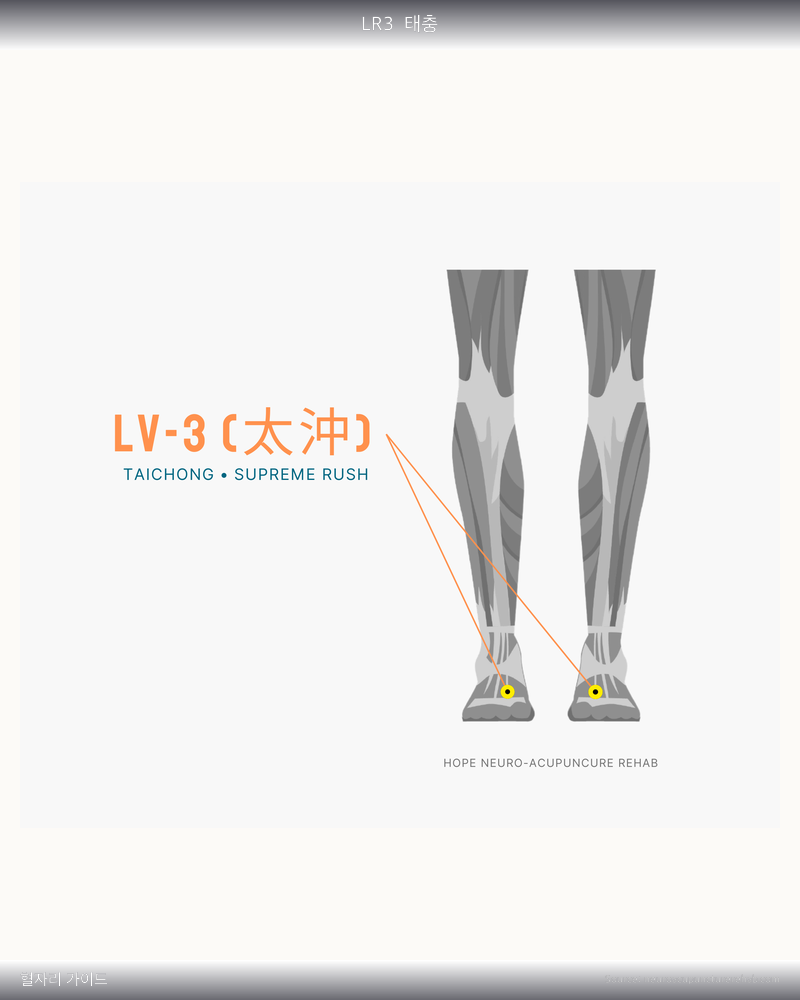
Author: Acupoint Guide Editorial Team

  • 腹部膨満感に効く5つのツボ(正確な位置と押し方)

    腹部膨満感に効く5つのツボ(正確な位置と押し方)

    One-line summary: Abdominal bloating can be effectively relieved by accurately stimulating five acupoints: CV12, CV6, ST36, SP6, and LR3. With just 5 minutes of daily self-acupressure, digestive function improves and gas release becomes easier.

    Abdominal bloating: Why does it happen, and how can acupoints help?

    After eating a meal, your belly feels uncomfortably bloated and tight in your clothes, and digestion seems sluggish. This is abdominal bloating. Western medicine diagnoses it as indigestion, gas retention, or decreased intestinal motility, but in traditional Eastern medicine, it’s viewed as “disrupted qi circulation.” In other words, the qi (vital life energy) in your stomach, small intestine, and large intestine cannot flow smoothly, causing delays in food digestion and elimination.

    Acupressure works by stimulating specific meridian points to normalize qi flow through the meridians, promote peristalsis in the digestive organs, and activate the enteric nervous system (the second brain). This allows you to naturally relieve abdominal bloating without medication. It’s especially effective for bloating caused by eating after meals, stress, and irregular eating habits.

    Five effective acupoints for abdominal bloating

    1. CV12 (Zhongwan) — The center of the stomach, the hub of digestion

    Location: Located four finger-widths (approximately 10cm) above the navel, at the midpoint between the lower end of the sternum and the navel. You can think of it as being directly below the epigastrium.

    Acupressure technique: Apply slow, steady pressure using your thumb or middle finger while the abdomen is relaxed. Press for 5 seconds while exhaling, then slowly release while inhaling. Repeat for 1-2 minutes.

    Effects: Normalizes stomach function, promotes food digestion, and directly alleviates bloating caused by excess stomach acid or indigestion. It also relieves epigastric discomfort, loss of appetite, and belching. This acupoint is recorded in the Donguibogam (Principles and Practice of Eastern Medicine) as a “special acupoint for chronic indigestion.”

    2. CV6 (Qihai) — The sea of vital energy

    Location: Located one-and-a-half finger-widths (approximately 1.5cm) below the navel, in the small depression directly below the navel.

    Acupressure technique: Gently massage in circular motions clockwise using your middle or index finger, or apply slow pressure for 3-5 seconds. Practice 1-2 times daily, 1-2 minutes each time. Avoid pressing too hard, as excessive pressure can increase abdominal discomfort.

    Effects: Activates the qi energy of the entire digestive system and promotes intestinal movement to facilitate gas expulsion. It’s particularly effective for those with naturally weak digestive function, and consistent acupressure improves immunity as well. Especially beneficial for bloating accompanied by chronic fatigue and abdominal coldness.

    3. ST36 (Zusanli) — A tonic for immunity and digestion

    ST36 acupuncture point

    Location: Located four finger-widths (approximately 10cm) below the outer side of the knee, in the center of the outer calf. You can find it by moving downward from the depression below the knee.

    Acupressure technique: Apply slow, steady pressure using your thumb or finger knuckles, aiming for a slight, pleasant tenderness. Press for 5 seconds, rest for 5 seconds, and repeat 5-10 times. Alternatively, gently massage the area for 1-2 minutes.

    Effects: Strengthens the function of the entire digestive system and promotes enteric nerve activity to normalize peristalsis. It also activates the immune system to reduce digestive inflammation, improving not only abdominal bloating but also chronic diarrhea and constipation. You can stimulate this acupoint anytime during the day.

    4. SP6 (Sanyinjiao) — The intersection of digestion, reproduction, and urinary function
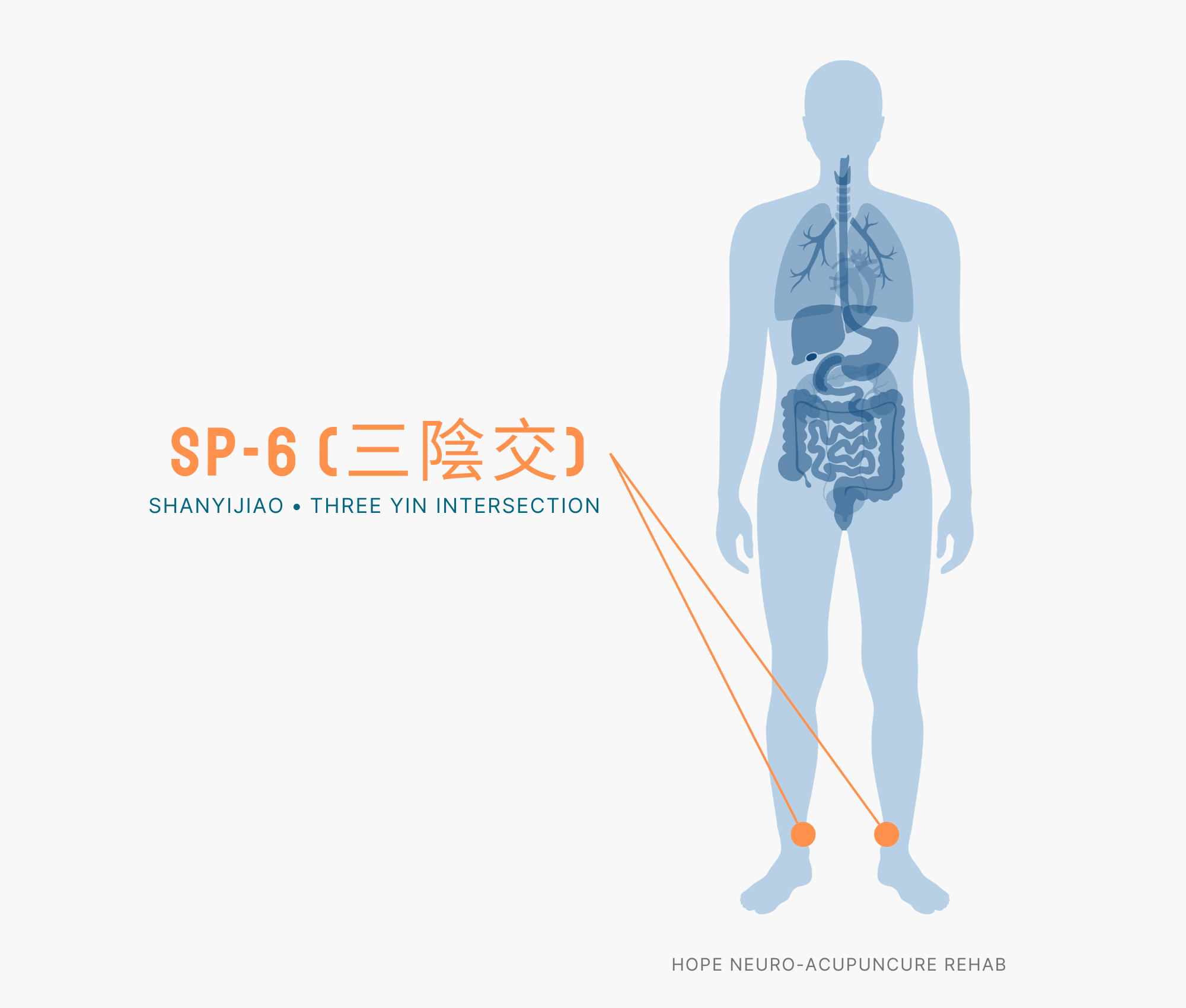
    SP6 acupuncture point

    Location: Located four finger-widths (approximately 10cm) above the inner ankle bone, in the center of the inner calf. Find it by following the inner edge of the tibia upward.

    Acupressure technique: Slowly press and release with your thumb for 3-5 seconds at a time, or gently massage in circular motions for 1-2 minutes. If you feel a warm sensation or lightness after acupressure, you’re stimulating the point correctly.

    Effects: This acupoint comprehensively regulates the digestive, urinary, and reproductive systems. Besides relieving abdominal bloating, it also improves uterine contractions, irregular menstruation, and coldness in the pelvic area. It’s particularly effective for bloating caused by hormonal changes in women, such as premenstrual syndrome.

    5. LR3 (Taichong) — The connection between stress and digestion

    Location: Located between the first and second toes on the top of the foot, approximately one-and-a-half finger-widths above the foot’s surface. You’ll feel a slight depression and tenderness when you touch it.

    Acupressure technique: Slowly press and release with your thumb for 3-5 seconds at a time, or massage in circular motions using your finger knuckles. Apply enough pressure to feel a slight ache, but avoid excessive force. 1-2 minutes is sufficient.

    Effects: Promotes qi circulation in the liver and improves intestinal movement impaired by stress. It’s especially effective for abdominal bloating caused by emotional stress and work fatigue, while simultaneously relieving headaches, eye strain, and menstrual cramps. It normalizes nerve regulation of digestive organs and restores balance to the gut-brain axis.

    5-minute self-acupressure routine — Actual sequence and time distribution

    Preparation (1 minute): Sit or lie down in a comfortable position and allow your abdomen to fully relax. Take 3 deep breaths, inhaling and exhaling slowly to prepare your body and mind.

    Acupressure sequence:

    • Step 1 (1 minute): CV12 (Zhongwan) — Place your middle fingers, one on top of the other, on CV12 and press for 5 seconds while exhaling, then release for 5 seconds while inhaling. Repeat this cycle.
    • Step 2 (1 minute): CV6 (Qihai) — Gently massage CV6 below the navel in clockwise circular motions, or press and release repeatedly for 5 seconds at a time.
    • Step 3 (1 minute): ST36 (Zusanli) on both sides — Stimulate the left leg’s ST36 for 30 seconds, then the right leg for 30 seconds. With your knee bent, apply slow pressure using your thumb.
    • Step 4 (1 minute): SP6 (Sanyinjiao) and LR3 (Taichong) on both sides — Alternately stimulate the left SP6 for 30 seconds and the right SP6 for 30 seconds. (LR3 can be included or excluded depending on your situation.)

    Closing (1 minute): Place your hands on your abdomen and slowly massage in clockwise circular motions to activate blood circulation and digestive function. Drink warm water to enhance the effects.

    Frequency: Practice 1-2 times daily, preferably at least 1 hour after eating or before bed. With consistent daily practice, you should notice easier gas expulsion within 1-2 weeks, and significant improvement in chronic bloating after 4 or more weeks of continued practice.
    ⚠️ Medical disclaimer: This article is provided for informational purposes and does not replace professional medical diagnosis or treatment. If you experience severe abdominal bloating, pain, vomiting, constipation or diarrhea, or symptoms lasting more than 2 weeks, please consult a healthcare professional (acupuncturist, gastroenterologist, or doctor). If you have a specific condition such as irritable bowel syndrome, inflammatory bowel disease, or bowel obstruction, please obtain a diagnosis before performing acupressure.
    🤰 Pregnancy warning: Among the acupoints mentioned above, SP6 (Sanyinjiao) and LR3 (Taichong) can trigger uterine contractions and should not be used during pregnancy. CV12 (Zhongwan), CV6 (Qihai), and ST36 (Zusanli) are relatively safe; however, if you are pregnant or may be pregnant, please consult a healthcare professional before practicing acupressure. During pregnancy, it is best to minimize abdominal stimulation.
  • 乳房痛に効く5つのツボ(正確な位置と押し方)

    乳房痛に効く5つのツボ(正確な位置と押し方)

    One-line Summary: Breast pain is effectively relieved by stimulating chest acupoints such as Danzhong, Zhuozhong, Yuruan, and improving liver function through Taichong. Start with 5 minutes of self-massage daily.

    Introduction

    Breast pain is a common symptom experienced by one in three women. It occurs when hormonal changes related to the menstrual cycle, stress, uncomfortable clothing, and poor posture combine. Recurring pain significantly diminishes quality of life.

    In traditional Chinese medicine, breast pain is called “breast qi stagnation,” occurring when qi becomes obstructed in the meridians passing through the chest or when liver function declines. Fortunately, stimulating key acupoints in the chest area can improve qi flow and relieve pain. Self-massage acupressure, which can be done anytime and anywhere without medication, has become the preferred choice for many people.

    5 Acupoints for Relieving Breast Pain

    1. Danzhong (REN17) — The “Master Acupoint” for Regulating Emotion and Qi

    Location: The midpoint between the two nipples, equidistant from both sides of the center of the chest. It can be found by descending along the center of the chest from below the collarbone.

    Massage Technique: Overlap the thumbs of both hands and gently press perpendicular to Danzhong, repeating the pressing and releasing motion. Press for about 3-5 seconds each time before slowly releasing. Be careful not to stimulate to the point of causing pain.

    Effects: Danzhong, known as the “heavenly balance,” is an acupoint that regulates emotion and qi. It can simultaneously address stress and qi stagnation that cause breast pain. It also has excellent effects on relieving anxiety and promoting mental and physical calm.

    2. Zhuozhong (ST16) — Direct Treatment Point for Breast Pain

    ST16 acupuncture point

    Location: The upper part of each breast, at the intersection of the collarbone and the first intercostal space (between the first ribs). There is one on each side.

    Massage Technique: Use the middle and ring fingers of both hands together to gently massage Zhuozhong with slow, circular motions. Stimulate each acupoint for about 2-3 minutes. Strong pressure can cause discomfort, so maintaining appropriate pressure intensity is important.

    Effects: This acupoint directly promotes qi and blood circulation in the breast area, showing the most immediate effect on relieving breast pain and hardness. As blood circulation improves, pain and discomfort decrease rapidly.

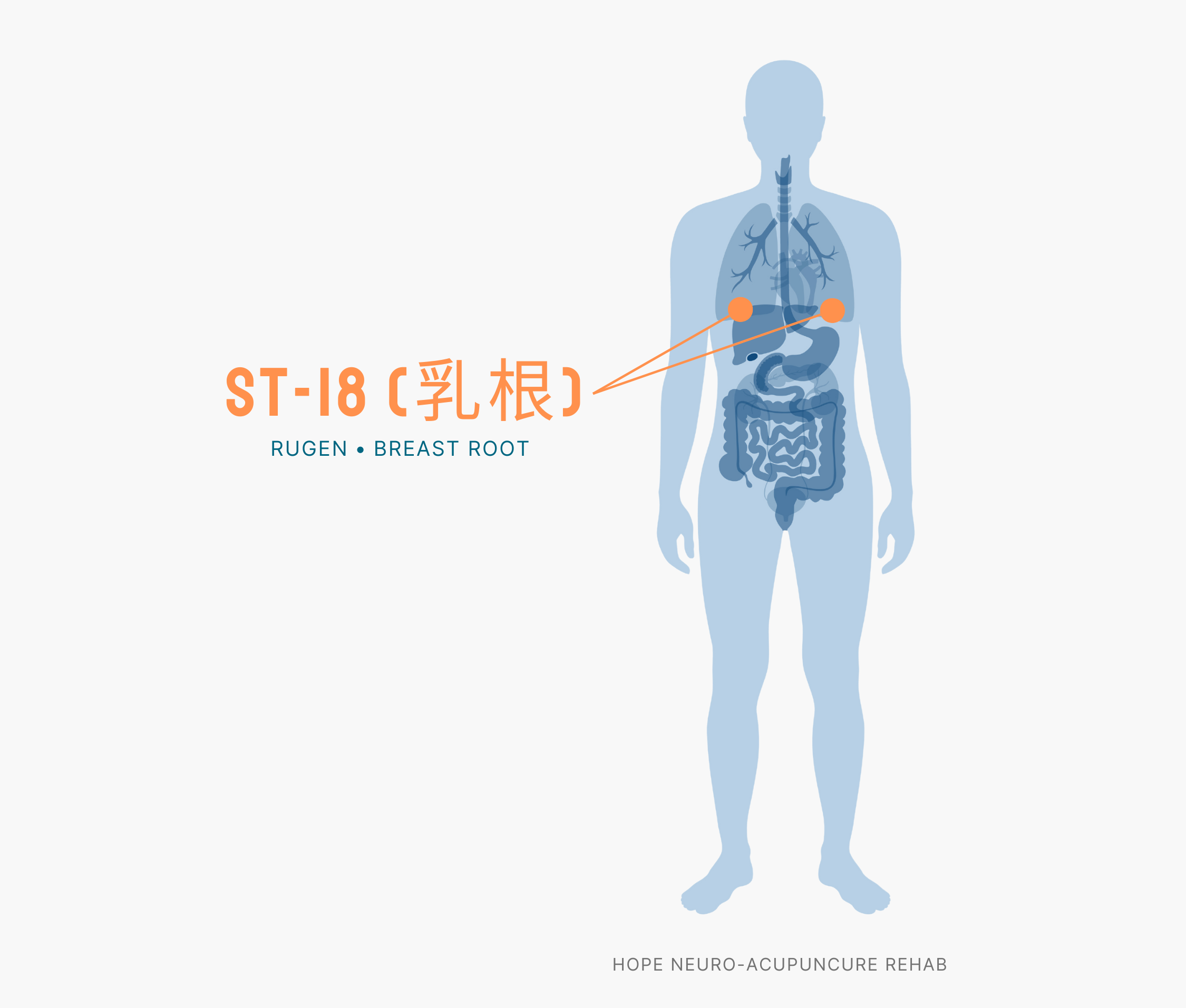
    3. Yuruan (ST18) — Acupoint for Relieving Lower Breast Pain

    ST18 acupuncture point

    Location: Directly below the breast, in the fifth intercostal space (between the fifth and sixth ribs). It is located below the lower boundary line of the breast.

    Massage Technique: Place the thumbs of both sides on Yuruan simultaneously and press slowly. It is recommended to use breathing-guided massage: increase pressure while inhaling and release while exhaling. Repeat 10 times, holding for 3-5 seconds each time.

    Effects: This acupoint effectively relieves breast pain, especially pain in the lower breast or extending to the sides. It is particularly helpful when intercostal neuralgia is involved.

    4. Qimen (GB22) — Specialized Acupoint for Stress-Related Breast Pain

    GB22 acupuncture point

    Location: Below the armpit, directly below the center of the axilla when the arm is raised, between the third rib. There is one on each side under the arms.

    Massage Technique: Lower your arm to your chest and use the middle finger of the opposite hand to locate Qimen and massage with circular motions. To stimulate both sides simultaneously, you can use both middle fingers. Massage each acupoint for 3-5 minutes.

    Effects: As a major acupoint of the gallbladder meridian, it is excellent for relieving breast pain caused by stress and tension. It is particularly effective for pain caused by nervous tension and pre-menstrual breast pain.

    5. Taichong (LR3) — Improving Liver Function to Address Root Causes

    Location: On the top of the foot, slightly above where the bones of the big toe and second toe meet. It can be found by following the raised area of the foot upward.

    Massage Technique: Sit and place one foot on your lap, then slowly press and massage Taichong with your thumb. Repeat by pressing for 5 seconds and resting for 5 seconds while breathing, massaging each foot for 2-3 minutes. Apply to both feet.

    Effects: A key acupoint for regulating liver function, it addresses the root causes of breast pain from hormonal imbalance and stress. It is also often accompanied by improvement in irregular menstruation, emotional fluctuations, and chronic fatigue.

    5-Minute Self-Massage Routine

    Here is a 5-minute routine that can be practiced even during a busy day. Perform once or twice daily, in the morning or evening.

    1. Preparation (30 seconds): Sit or lie comfortably and take 3-4 deep breaths to relax your body and mind.
    2. Danzhong Massage (1 minute): Overlap the thumbs of both hands and press Danzhong 30 times with gentle, rhythmic pressure.
    3. Zhuozhong & Yuruan Massage (2 minutes): Massage both sides of Zhuozhong with circular motions for 1 minute each. (Total: 1 minute) Then massage Yuruan on both sides for 30 seconds each. (Total: 1 minute)
    4. Qimen Massage (1 minute): Simultaneously massage both sides of Qimen with circular motions for 1 minute.
    5. Taichong Massage (30 seconds): As a finish, stimulate Taichong on both feet for 15 seconds each with quick, firm pressure.
    6. Cool Down (30 seconds): Take 3-4 deep breaths to allow energy to spread throughout your body.

    💡 Tip: Consistency is key. You can feel results if you continue for more than 3 weeks. Rather than doing this only when you have pain, practice regularly as a preventive measure.

    ⚠️ Medical Disclaimer: This article is written for informational health purposes and does not replace professional medical diagnosis or treatment. If symptoms persist or are severe, be sure to consult with a healthcare professional.
    🤰 Pregnancy Warning: Among the acupoints above, Taichong (LR3) may cause uterine contractions in pregnant women. If you are pregnant or may be pregnant, be sure to consult with a professional before practicing. The other acupoints—Danzhong, Zhuozhong, Yuruan, and Qimen—are generally safe, but it is recommended to consult with your doctor before trying any new procedures during pregnancy.
  • アトピーを和らげるツボ5選 — 自宅でできるセルフ指圧

    アトピーを和らげるツボ5選 — 自宅でできるセルフ指圧

    One-line summary: Atopic dermatitis is a skin condition caused by poor qi-blood circulation and weakened immunity. Stimulating 5 key acupoints—Sanyinjiao, Quchi, Xuehai, Hegu, and Feishu—can help relieve itching and improve skin condition.

    Introduction

    Have you ever experienced scratching so much at night that it bleeds, or insomnia due to unbearable itching? Atopic dermatitis is not just a skin condition but a systemic symptom caused by immune system imbalance. In traditional Chinese medicine, atopy is viewed as ‘Spleen Qi Deficiency with Excess Dampness (Pi Xu Shi Sheng)’—a condition where the spleen weakens and moisture accumulates in the body. Acupoint pressure therapy effectively promotes qi-blood circulation, restores immune function, and naturally alleviates atopic symptoms. In particular, self-massage is a great supplementary method to medical treatment since it can be done anytime and anywhere.

    5 Effective Acupoints for Atopy Relief

    1. Sanyinjiao (SP6) — The Center for Hormonal Balance

    SP6 acupuncture point

    Location: Four finger-widths above the highest point on the inner ankle, toward the shin

    WHO Code: SP6

    Benefits: Sanyinjiao is where the Spleen, Liver, and Kidney meridians converge. It excels at balancing female hormones, enhancing immunity, and improving digestion. It strengthens spleen function—the root cause of atopy—and eliminates dampness. It also prevents atopy flare-ups by relieving stress.

    Massage technique: Press with your thumb for 3 seconds, then release for 2 seconds, and repeat. Perform for 3 minutes at a time, twice daily (morning and evening). Start gently and gradually increase pressure.

    2. Quchi (LI11) — The Premier Point for Inflammation and Itching Relief

    LI11 acupuncture point

    Location: The outer end of the elbow crease when the elbow is bent at 90 degrees (thumb side)

    WHO Code: LI11

    Benefits: This point clears heat from the Large Intestine meridian, directly alleviating skin inflammation and suppressing itching. It calms overactive immune responses and reduces irritation by lowering skin temperature.

    Massage technique: Slowly press with your opposite thumb while making small circles. Massage for about 1 minute in the morning and 1 minute in the evening. It’s more effective if done after soaking your arm in warm water in a bathtub.

    3. Xuehai (SP10) — The Fundamental Point for Skin Improvement

    SP10 acupuncture point

    Location: Two to three finger-widths above the inner side of the knee, on the inner thigh

    WHO Code: SP10

    Benefits: Known as ‘The Blood Point,’ Xuehai purifies the blood and nourishes the skin. It restores skin dryness and depletion caused by atopy and repairs the skin barrier damaged by prolonged irritation.

    Massage technique: Sit down, bend your knee slightly for comfort, and repeatedly press with your thumb for 3 seconds each time. Perform for 3 minutes once daily.

    4. Hegu (LI4) — The Versatile Point for Immunity Enhancement

    LI4 acupuncture point

    Location: The hollow between the thumb and index finger (where a crease forms when the fingers are together)

    WHO Code: LI4

    Benefits: One of the most widely used acupoints in traditional medicine, it’s effective at enhancing immunity, relieving stress, and suppressing inflammation. It alleviates excessive stress—a major atopy aggravator—and promotes qi-blood circulation throughout the body.

    Massage technique: Slowly press with your opposite thumb while making circles. Alternate between both hands, pressing for 1 minute each, twice daily. It’s best to do this when you wake up and before bed.

    5. Feishu (BL13) — Improving Lung Function and Skin Respiration

    BL13 acupuncture point

    Location: Between the shoulder blades on the back of the body, two finger-widths lateral to the spine at the level of the 3rd thoracic vertebra

    WHO Code: BL13

    Benefits: This point strengthens lung function and improves skin nourishment. The respiratory system and skin are closely related; enhancing lung function improves skin metabolism and oxygen supply, helping relieve atopic symptoms.

    Massage technique: Since it may be difficult to do alone, seek help from someone else or stimulate by placing a tennis ball against your back and rolling it slowly. Alternatively, receiving regular moxibustion therapy from a professional is also beneficial.

    5-Minute Self-Massage Routine

    Preparation: Sit comfortably and expose your hands and legs. Apply a small amount of lotion or essential oil to reduce friction.

    1. Sanyinjiao (SP6) – 1 minute (30 seconds on each side or 1 minute on one side)
    2. Xuehai (SP10) – 1 minute (30 seconds on each side)
    3. Quchi (LI11) – 1 minute (30 seconds on each side)
    4. Hegu (LI4) – 1 minute (30 seconds on each side)
    5. Feishu (BL13) – 1 minute (use a tennis ball for 1 minute if doing it alone is difficult)

    Frequency: Perform daily, or twice daily (morning and evening) during atopy flare-ups. Practice on an empty stomach or at least 2 hours after meals.

    🤰 Pregnancy Warning: Sanyinjiao (SP6) and Hegu (LI4) can trigger uterine contractions in pregnant women. If you are pregnant or might be pregnant, consult a professional before practicing. Feishu (BL13) also requires careful stimulation, so confirm with a healthcare provider before performing.
    ⚠️ Medical Disclaimer: This article is provided for informational purposes and does not substitute for professional medical diagnosis or treatment. If symptoms persist or are severe, consult a healthcare professional (dermatologist or acupuncturist). Since individual differences are significant, please consider your constitution and health status before practicing.
  • 関節炎?この5つのツボを押してみてください

    関節炎?この5つのツボを押してみてください

    One-line Summary: Pressing five acupoints daily for 5 minutes—Pool at the Bend (LI11), Union Valley (LI4), Committee Middle (BL40), Three Yin Crossing (SP6), and Yin Spring at the Mound (SP9)—can help relieve arthritis pain and stiffness.

    The Relationship Between Arthritis and Acupoint Pressure

    Arthritis is a persistent problem affecting many middle-aged and older people. Pain and stiffness in various joints—knees, wrists, ankles, shoulders—greatly limit daily activities. In traditional Chinese medicine, arthritis is viewed as resulting from “insufficient qi and blood circulation” and “blocked meridians.” By stimulating specific acupoints, you can unblock the meridians and allow qi and blood to flow smoothly, reducing inflammation and pain. In particular, self-acupressure has the advantage of being performed at home anytime without visiting a hospital.

    Five Effective Acupoints for Arthritis Relief

    1. Pool at the Bend (LI11) — The All-Purpose Elbow Acupoint

    LI11 acupuncture point

    WHO Code: LI11 (Large Intestine Meridian 11) | Location: At the outer end of the elbow crease when the arm is bent

    Pool at the Bend excels at relieving overall pain and stiffness in the arm. It is particularly effective for arm, elbow, and shoulder pain caused by arthritis. For acupressure, press with your thumb for 3–5 seconds, release, and repeat; or apply circular pressure in a clockwise direction 20–30 times. The ideal intensity is “tender but pleasantly sore” (a comfortable pressure sensation). With consistent stimulation, you’ll gradually notice relief in arm stiffness and an increased range of motion.

    2. Union Valley (LI4) — The Acupoint for Full-Body Pain Relief

    LI4 acupuncture point

    WHO Code: LI4 (Large Intestine Meridian 4) | Location: In the hollow between the thumb and index finger

    This acupoint is so famous that there’s a traditional medicine saying: “If you know only Union Valley, you need not fear a hundred ailments.” Union Valley is excellent at promoting qi and blood circulation throughout the body and reducing pain. It helps not just with arthritis in the fingers and wrists, but with inflammatory pain throughout the body. Press firmly with the thumb of the opposite hand, alternating between both hands for even greater effect. It is recommended to stimulate each hand for 2–3 minutes, three times daily.

    🤰 Pregnancy Warning: Union Valley (LI4) can trigger uterine contractions in pregnant women, so it should be avoided during pregnancy.

    3. Committee Middle (BL40) — The Remedy for Leg Arthritis

    BL40 acupuncture point

    WHO Code: BL40 (Bladder Meridian 40) | Location: At the center of the crease behind the knee

    If you have knee arthritis, this is the first acupoint you should stimulate. Committee Middle improves blood circulation throughout the leg and quickly relieves knee inflammation and pain. It’s also effective when your legs feel stiff from prolonged sitting. Press both knees’ Committee Middle points with both thumbs continuously for 3–5 minutes. If you follow up by slowly bending and straightening your knees 5–10 times, the effect will be even greater. If you have knee discomfort due to arthritis, acupressure daily is recommended.

    4. Three Yin Crossing (SP6) — The Intersection Point of Full-Body Qi and Blood Circulation

    SP6 acupuncture point

    WHO Code: SP6 (Spleen Meridian 6) | Location: Four finger widths above the inner ankle bone (on the inner side of the shin bone)

    Three Yin Crossing is where the Liver, Spleen, and Kidney meridians meet, making it an important point for promoting qi and blood circulation throughout the body. It is particularly effective for relieving arthritis pain in the legs and ankles while also strengthening overall body immunity. Press firmly with your thumb and apply circular pressure for 30 seconds to 1 minute. Stimulate both legs alternately, two times daily, for best results. Consistent stimulation contributes to reducing inflammatory responses throughout the body.

    🤰 Pregnancy Warning: Three Yin Crossing (SP6) can trigger uterine contractions and should be avoided during pregnancy.

    5. Yin Spring at the Mound (SP9) — The Specialized Acupoint for Knee Joints

    WHO Code: SP9 (Spleen Meridian 9) | Location: In the hollow on the inner side of the shin bone below the knee

    This acupoint shows excellent results for knee arthritis, particularly for inner knee pain. As the convergence point of the Spleen meridian, Yin Spring at the Mound excels at removing moisture and inflammation around the joint. If you experience swelling and stiffness due to knee arthritis, this acupoint can help. Using your thumb, press until you feel tenderness, hold for 5–10 seconds, then slowly release; repeat 10 times. Stimulate this point twice daily for 5 minutes each time, and you should notice changes within 1–2 weeks.

    5-Minute Self-Acupressure Routine

    For the best results, perform acupressure in the following order at the same time each day.

    1. Warm-up (30 seconds): Sit in a comfortable position and take 3 deep breaths.
    2. Union Valley (LI4) Stimulation (1 minute): Alternate between both hands, pressing Union Valley for 1 minute total.
    3. Pool at the Bend (LI11) Stimulation (1 minute): Press Pool at the Bend on each arm for 30 seconds in turn. (Total: 1 minute)
    4. Committee Middle (BL40) Stimulation (1 minute): Stimulate Committee Middle on both knees for 30 seconds each. (Total: 1 minute)
    5. Yin Spring at the Mound (SP9) Stimulation (45 seconds): Stimulate Yin Spring at the Mound below both knees for 20 seconds each.
    6. Three Yin Crossing (SP6) Stimulation (45 seconds): Stimulate Three Yin Crossing on the inner sides of both ankles for 20 seconds each.
    7. Cool-down (15 seconds): Take 2 slow, deep breaths and finish.

    Tip: The best results come from performing this routine twice daily—after waking in the morning and before bed at night. Drinking warm water right after acupressure further promotes qi and blood circulation.

    ⚠️ Medical Disclaimer: This article is provided for informational purposes and does not substitute for professional medical diagnosis or treatment. If arthritis symptoms persist or worsen, or if symptoms aggravate after self-acupressure, please consult with a healthcare professional (doctor or acupuncturist).
  • 喘息を和らげるツボ5選 — 自宅でできるセルフ指圧

    喘息を和らげるツボ5選 — 自宅でできるセルフ指圧

    One-line summary: Asthma is a condition related to deficient lung qi (vital energy), and stimulating acupoints such as Tiantu (CV22), Feishu (BL13), and Fengmen (BL12) can help improve breathing and alleviate symptoms.

    Where Asthma Meets Acupoint Therapy

    Asthma symptoms—breathlessness at night and wheezing with even slight movement—significantly reduce quality of life. Traditional medicine views this as a deficiency of lung qi (vital energy). Modern stress, exposure to cold air, and overwork weaken lung function, leading to recurring breathing difficulties.

    Fortunately, our body has special points that directly regulate lung function—acupoints. By stimulating these acupoints, circulation of qi and blood improves and lung resilience increases, reducing the frequency and severity of asthma attacks. The greatest appeal of acupoint pressing is that you can protect your own health with just your fingers, without relying solely on medication.

    5 Effective Acupoints for Asthma Relief

    1️⃣ Tiantu (天突, CV22) — Specific Point for Asthma

    Location: Located in the hollow area above the collarbone on the front of the neck. It’s directly above the point where the two clavicles meet when the neck is tilted back in an inverted V-shape.

    WHO Code: CV22 (22nd point on the Conception Vessel)

    Effects: Tiantu is known as the most effective acupoint for asthma, cough, and sore throat. As a point directly connected to the lungs, stimulating it dilates the airways and makes breathing much easier. In particular, pressing this point at the early stage of an asthma attack can quickly relieve symptoms.

    Pressing method: Overlap your two index fingers and press vertically on the Tiantu point. Apply pressure in a 1-second-on, 1-second-off rhythm for about 1 minute. Avoid pressing too hard; maintain a refreshing level of stimulation.

    2️⃣ Feishu (肺俞, BL13) — Key to Strengthening Lung Function

    BL13 acupuncture point

    Location: Located on the back, approximately 1.5 cm to the side of the third thoracic vertebra. It’s at the level of the upper border of the scapula when the arms are brought across the chest.

    WHO Code: BL13 (13th point on the Bladder Meridian)

    Effects: Feishu directly replenishes lung qi. It’s effective not just for asthma but for all respiratory conditions like pneumonia and bronchitis. With sustained stimulation, lung resilience increases and it has disease prevention benefits.

    Pressing method: Since it’s difficult to reach alone, it’s recommended to ask someone else for help or to lie on a tennis ball placed on your back and use your body weight for stimulation. Apply gentle pressure for 3-5 minutes.

    3️⃣ Fengmen (風門, BL12) — Respiratory Protective Shield

    BL12 acupuncture point

    Location: Located on the back, approximately 1.5 cm to the side of the second thoracic vertebra. It’s at the level of the upper border of the shoulders.

    WHO Code: BL12 (12th point on the Bladder Meridian)

    Effects: In traditional medicine, “wind” refers to the cause of disease. Fengmen blocks external pathogenic influences (cold air, cold viruses, etc.) from entering the body. Since asthma symptoms worsen when patients catch a cold, it’s important to stimulate this acupoint to protect the respiratory system.

    Pressing method: Like Feishu, this point is located on both sides of the back. If possible, seek help from someone else, or use the tennis ball method described above if pressing alone.

    4️⃣ Dingchuan (定喘, EX-HN16) — Emergency Point for Asthma Attacks

    Location: Located on the back of the neck, approximately 1 cm to the outside of the thick neck muscle (sternocleidomastoid muscle). It’s right next to the muscle that protrudes when the neck is tilted to the side.

    WHO Code: EX-HN16 (Extra-point at the head-neck region)

    Effects: The name “Dingchuan” itself means “stopping asthma.” This is an emergency point for rapid response when asthma attacks occur suddenly. It acts very quickly to improve oxygen supply and relieve airway spasms.

    Pressing method: Simultaneously press both Dingchuan points on the sides of the neck with your thumbs. Press slowly, but in an acute attack situation, slightly stronger stimulation is acceptable. Continue for 2-3 minutes until breathing returns to normal.

    5️⃣ Zusanli (足三里, ST36) — Boosting Immunity and Physical Strength

    ST36 acupuncture point

    Location: Located below the knee, approximately 1 cm to the outside of the tibia (shinbone). It’s about 10 cm below the hollow point beneath the kneecap.

    WHO Code: ST36 (36th point on the Stomach Meridian)

    Effects: Zusanli is called the “universal healing point” because it enhances immunity and physical strength throughout the body. Since asthma often stems from weak lungs and overall low immunity, consistently stimulating Zusanli improves your constitution to resist disease.

    Pressing method: Press Zusanli on both legs using your thumb or knuckle. Repeat circular, gentle pressing motions for 1-2 minutes. This point benefits from stronger stimulation, so apply pressure at a level that produces noticeable sensation but remains tolerable.

    Maximize Results! 5-Minute Self-Massage Routine

    Stimulating all acupoints together is more effective. Follow the sequence below and perform once in the morning and once in the evening:

    1. Tiantu (CV22) — 1 minute: Press Tiantu on the front of the neck with both index fingers. Press deeply and slowly.
    2. Dingchuan (EX-HN16) — 1 minute: Press Dingchuan on the sides of the neck with both thumbs.
    3. Zusanli (ST36) — 1.5 minutes: Alternate pressing both legs. You can do this sitting or lying down.
    4. Feishu (BL13) + Fengmen (BL12) — 1.5 minutes: Stimulate the back using a tennis ball or roller. You can do this leaning against a wall or lying on a bed.
    5. Closing breathing — 0.5 minute: Perform 10 slow, deep breaths to oxygenate your body.

    ⏰ Tip: Doing this before bed is effective for preventing nighttime attacks, and doing it in the morning helps you start the day with energy.

    ⚠️ Medical Disclaimer: This article is written for informational purposes and does not replace professional medical diagnosis or treatment. Asthma is a serious respiratory condition; if you experience acute attacks or symptom worsening, be sure to consult a healthcare professional or visit an emergency room. Acupoint pressing is recommended as a complementary aid to medical treatment, not as a replacement.
  • 胃酸逆流改善のための指圧ポイント5つ — プロ推薦

    胃酸逆流改善のための指圧ポイント5つ — プロ推薦

    1行要約: 逆流性食道炎は、中脘、足三里、内関、三陰交、太衝の5つのツボのセルフ指圧により症状を緩和でき、定期的な実施により消化機能を改善することができます。

    はじめに

    夜中に胃液が上がってきたり、胸部に焼けるような違和感を感じたことはありませんか?逆流性食道炎は現代人の一般的な消化の問題であり、ストレス、不規則な食習慣、刺激的な食べ物の摂取により増加しています。薬物療法も重要ですが、漢方医学のツボ指圧は、身体の自然治癒力を活性化させて逆流性食道炎の症状を根本的に緩和するのに役立ちます。特にセルフ指圧は、いつどこでも費用をかけずに実施でき、多くの人々が好む方法です。この記事では、逆流性食道炎の緩和に最も効果的な5つのツボと正しい指圧法について詳しく説明します。

    逆流性食道炎に効果的な5つのツボ

    1. 中脘(中脘) — CV12

    位置: へそから垂直に上方に約4寸(指幅4本、約12cm)上がった地点。胸骨の端と臍の中央です。

    効果: 中脘は消化機能の中心となるツボであり、胃酸分泌を正常化し、胃腸の蠕動運動を促進します。逆流性食道炎、消化不良、腹部膨満感などを即座に緩和し、継続的な指圧により長期的な胃腸の健康を改善します。

    指圧法: 快適な姿勢で座るか横たわった後、親指の先端を中脘の位置に垂直に置きます。ゆっくり5秒間押して、5秒間離すを繰り返し、1回に10~15回程度実施します。最初は軽く始めて、徐々に圧力を高めてください。

    2. 足三里(足三里) — ST36

    ST36 acupuncture point

    位置: 膝の外側下方4寸(約12cm)離れた地点。膝下のくぼみから足指の方向に下降すると、脛骨脇の筋肉が始まる地点です。

    効果: 足三里は「免疫のツボ」と呼ばれ、消化機能の改善だけでなく、全体的な免疫力を強化します。逆流性食道炎で低下した消化機能を回復させ、身体のエネルギーを増進させて消化症状の根本原因を解決します。

    指圧法: 快適に座った姿勢で脚を伸ばし、親指で足三里にゆっくり圧力をかけます。3~5秒間押してから離すを15~20回繰り返し、両脚とも同じ時間実施してください。

    3. 内関(內關) — PC6

    PC6 acupuncture point

    位置: 手首の内側、指から肘の方向に約3寸(約6~7cm)離れた地点。手首を曲げたときに見える2本の腱(腱間のくぼみ)の間です。

    効果: 内関は吐き気や嘔吐を迅速に緩和するツボで、神経系を安定させてストレス関連の胃腸症状を改善します。逆流性食道炎による不快感だけでなく、自律神経の不均衡を調整して消化機能を正常化します。

    指圧法: 一方の腕を伸ばし、反対側の手の親指で内関の位置を見つけて、ゆっくり押して軽い圧痛を感じるようにします。3~5秒間押すを10~15回繰り返し、両腕で実施してください。出勤前やストレスを受けたときに定期的に刺激するとより効果的です。

    4. 三陰交(三陰交) — SP6

    SP6 acupuncture point

    位置: 内側くるぶしの上方に約4寸(約12cm)離れた地点。脛骨の内側縁に沿って上方に上がると出会うポイントです。

    効果: 三陰交は脾臓と消化機能を調整する重要なツボで、胃腸機能を強化し、消化吸収を改善します。逆流性食道炎だけでなく、慢性消化不良および腹部不快感を緩和するのに優れた効果を示します。

    指圧法: 座った姿勢で一方の脚を曲げて反対側の膝の上に置いた後、親指で三陰交を見つけます。ゆっくり5秒間押すを15~20回繰り返し、両脚とも同じ強度で実施してください。

    5. 太衝(太衝) — LR3

    位置: 足背の親指と人差し指の間、足指下部の関節の上方です。2本の骨が出会う地点の上方に約指骨の長さ分上がった部位です。

    効果: 太衝は肝の気を調整するツボで、ストレスによる逆流性食道炎を根本的に解決します。神経不安定で悪化する消化症状を鎮静化させ、身体の気の循環を改善して胃腸機能を正常化します。

    指圧法: 快適に座って一方の脚を反対側の膝の上に置いた後、親指で太衝を見つけます。ゆっくり深く3~5秒間押すを10~15回繰り返し、両足とも同じ強度で実施してください。

    5分セルフ指圧ルーチン

    忙しい日常の中でも簡単に実施できる5分の逆流性食道炎緩和指圧ルーチンを紹介します。

    所要時間合計: 約5分

    • ステップ1(1分): 中脘指圧 — 快適な姿勢で親指でゆっくり10~15回押す
    • ステップ2(1分): 内関指圧(両腕)— 各腕ごと30秒ずつ10~15回押す
    • ステップ3(1.5分): 足三里指圧(両脚)— 各脚ごと45秒ずつ15~20回押す
    • ステップ4(1分): 太衝指圧(両足)— 各足ごと30秒ずつ10~15回押す
    • ステップ5(0.5分): 三陰交指圧(両脚)— 各脚ごと15秒ずつ5~10回押す

    推奨時間: 朝の空腹時、就寝前、逆流性食道炎の症状が現れたときなど、1日1~2回実施してください。最低2~4週間継続すると明確な効果を経験できます。

    🤰 妊娠中の注意: 上記のツボの中で三陰交(SP6)、太衝(LR3)、合谷(LI4)などは妊娠中の女性に子宮収縮を引き起こす可能性があります。妊娠中またはその可能性がある方は、必ず漢方医師や医療専門家に相談した後に実施してください。
    ⚠️ 医療免責事項: この記事は健康情報提供目的で作成されており、専門的な医療診断または治療に代わるものではありません。症状が持続する、または重篇な場合、あるいは消化器疾患が疑われる場合は、必ず医療専門家に相談してください。個人の健康状態によってはツボ刺激が適切でない可能性があるため、医療専門家の指導を受けることをお勧めします。
  • ニキビに効果的なツボTOP5 — 位置と指圧法ガイド

    ニキビに効果的なツボTOP5 — 位置と指圧法ガイド

    一行要約: ニキビは体内の熱とホルモンバランスの乱れが主な原因です。合谷、三陰交、太衝、曲池、足三里の5つのツボを毎日2分ずつ指圧すると、肌の改善と免疫力強化が期待できます。

    導入部

    顔にいつも出てくるニキビで悩んでいませんか?ニキビは単なる皮膚表面の問題ではなく、体内の不均衡の信号です。漢方医学では、ニキビを体内の過度な熱、ホルモンバランスの乱れ、消化機能の低下、ストレスによる気血循環の停滞として捉えています。

    特に顎、おでこ、こめかみに繰り返し出るニキビは、単なる炎症ではなく、ホルモンと肝機能の関連が深いです。ここで紹介する5つのツボは、東洋医学で数千年前から肌の改善と内臓機能の強化に活用されてきたものです。抗生物質や強い化学成分なしでも、1日5分のセルフ指圧で体内の毒素排出とホルモンバランスを促すことができます。

    ニキビ改善のツボ5か所

    1. 合谷(LI4)— 大腸経

    LI4 acupuncture point

    位置: 親指と人差し指が出会う地点(インターネットで検索すればよく見かけるところ)からやや奥に入った場所

    指圧法: 反対側の親指で「痛いけれど気持ちいい程度」にゆっくり押しながら、円を描くようにもみほぐします。約1分間

    効果: 大腸の熱を取り除き、毒素排出を促進します。顔の皮膚と大腸は経絡で直結しており、合谷を刺激すると皮膚炎症が素早く鎮まり、免疫力が強化されます。ニキビだけでなく、便秘や消化不良による肌荒れも同時に改善されます。

    2. 三陰交(SP6)— 脾経

    SP6 acupuncture point

    位置: 内側の足首の骨から指4本分上に上がった地点(脛骨の内側)

    指圧法: 親指でゆっくり押す、5秒押して5秒休むを繰り返します。両側各1~2分

    効果: 女性ホルモンと生殖器系機能を調整する重要なツボです。月経周期が不規則であったり、ホルモンバランスの乱れによるニキビの悪化を防ぎます。脾と腎の機能を強化して消化と排泄を改善し、体内の水分代謝を正常化します。

    3. 太衝(LR3)— 肝経

    位置: 足の甲で、親指と2番目の足指の間のくぼんだ場所

    指圧法: 親指でゆっくり押しますが、やや足指の方へ引き下ろすような感覚で刺激します。両側各1分

    効果: 肝臓はホルモン代謝と感情調整の中心的臓器です。太衝は肝の気の循環を促進し、ストレスによるホルモンバランスの乱れを改善します。また、顔色を良くし、肌に輝きを加え、慢性ニキビによる疲労感も一緒に解決します。

    4. 曲池(LI11)— 大腸経

    LI11 acupuncture point

    位置: 肘を曲げたときにできるしわの端(腕の外側)

    指圧法: 反対側の親指で垂直に押す、強度は「痛いけれど気持ちいい程度」です。両側各1分

    効果: 大腸の熱を直接取り除くツボです。体内の過度な熱が皮膚に上ってくることで生じる炎症性ニキビを素早く鎮めます。感染したニキビや化膿したニキビに特に効果的であり、継続的な刺激により皮膚炎症体質を改善します。

    5. 足三里(ST36)— 胃経

    ST36 acupuncture point

    位置: 膝の外側下の窪みから指4本分下に下がった地点(脛骨の前)

    指圧法: 親指でゆっくり押す、3秒押して3秒休むを繰り返します。両側各1~2分

    効果: 免疫システムを強化し、消化機能を促進する「万能ツボ」です。ニキビの原因の1つである悪い消化と栄養吸収不足を改善し、全般的な体力と身体抵抗力を高めます。また、肌のトーンを明るくし、浸出液が出る湿疹性ニキビも同時に改善されます。

    5分間のセルフ指圧ルーチン

    最適時間: 朝(起床後)または夜(寝る前)のどちらかを選択

    順序および時間配分:

    1. 合谷(LI4) — 両側1分(計2分)
    2. 曲池(LI11) — 両側1分(計2分)
    3. 三陰交(SP6) — 両側1分(計1分)
    4. 太衝(LR3) — 両側1分(計1分)
    5. 足三里(ST36) — 両側1~2分(計1~2分)

    追加のヒント: 指圧後に温かい水を1杯飲むと、体内の気の循環がさらに活発になります。毎日同じ時間にすると、体がリズムを覚えるようになり、効果がさらに良くなります。

    ⚠️ 医療免責事項: この記事は健康情報提供目的で作成されており、専門的な医療診断や治療に代わるものではありません。症状が続いたり重い場合は、必ず医療専門家に相談してください。
    🤰 妊婦への注意: 上記のツボのうち合谷(LI4)、三陰交(SP6)、太衝(LR3)は妊婦に子宮収縮を引き起こす可能性があります。妊娠中または妊娠の可能性がある方は、必ず専門家に相談した後に行ってください。
  • 足首の痛みに効果的なツボTOP5 — 位置と指圧法ガイド

    足首の痛みに効果的なツボTOP5 — 位置と指圧法ガイド

    一行要約:足首の痛みは、崑崙、三陰交、太衝、太溪、足三里5つの主要なツボ指圧により、血液循環と筋肉の緊張を緩和し、速い回復をサポートします。

    足首の痛み、なぜ生じてツボが役立つのでしょうか?

    日常生活の中で足首の痛みは思ったより一般的です。長時間立っていたり、ヒールの高い靴を履いたり、スポーツ中に足首をひねると、突然痛みが現れます。現代医学では筋肉損傷または炎症として診断しますが、東洋医学では別の視点を提示します。

    東洋医学は、足首周辺の経絡が塞がったり気血循環が不足すると痛みと強ばりが現れると考えます。特に足首は膀胱経、肝経、腎経など複数の経絡が通る部位であるため、適切なツボへの刺激がとても効果的です。指圧は薬物を使わず手で刺激して局所血液循環を直ちに改善し、神経末梢の緊張を解きほぐして、痛み緩和と回復速度を高めることができます。

    足首の痛みに良いツボ5箇所

    1. 崑崙(BL60、崑崙)— 足首外側の名穴

    BL60 acupuncture point

    位置:足首の外側、外踝とアキレス腱の間のくぼんだ部分です。足首をやや内側に向けると指で見つけやすいです。

    指圧法:親指でゆっくり円を描くように5~10秒押してから離すを繰り返します。1回に10~15回程度刺激しますが、酸っぱい圧痛感が感じられる強度が最適です。強く押しすぎると組織損傷につながるので注意してください。

    効果:崑崙は足首の炎症と痛み緩和の「特効穴」です。足首外側の痛み、足首捻挫の後遺症、ふくらはぎのけいれんまで効果的です。また下肢全体の気血循環を促進して足の疲労回復も助けます。膀胱経の主要なツボで脊椎と連結しているため、全身の緊張緩和にも貢献します。

    2. 三陰交(SP6、三陰交)— 下肢循環の中心

    SP6 acupuncture point

    位置:足首内側の内踝から上へ4本指の高さ(約10cm)、ふくらはぎ内側の骨のすぐ後ろです。すねの骨に沿って上へ上がっていくと圧痛感のある地点が見つかります。

    指圧法:親指でゆっくり押し上げるように刺激します。5~10秒押して、1回に15~20回繰り返してください。ふくらはぎがこり固まっていると特に効果的です。妊産婦は注意が必要です。

    効果:足首内側の痛み、膝の痛み、全般的な下肢の浮腫みと疲労緩和に優れています。肝、腎、脾経絡の交点であるため下肢気血循環の中心軸です。足首捻挫後の回復力を大きく高めてくれ、体温調節とホルモンバランスまで改善する多目的なツボです。

    3. 太衝(LR3、太衝)— 痛み緩和のマスターポイント

    位置:足の甲の第1趾と第2趾の骨の間、足のかかとから足指方向に約3~4cm上のくぼんだ部分です。指で押すと明らかな圧痛感が感じられます。

    指圧法:親指で下から上へ押し上げるように刺激します。5秒押して離すを15~20回繰り返してください。片足だけに痛みがあっても両足の刺激をすると、より効果的です。

    効果:肝経の代表的なツボで「痛み緩和のマスターポイント」です。足首の痛みだけでなくストレス性の痛み、頭痛、月経痛も緩和します。足の血液循環を急速に改善して浮腫みを除き、神経痛を鎮静させる不思議な効果があります。妊産婦は注意が必要です。

    4. 太溪(KI3、太溪)— 身体回復力の源

    KI3 acupuncture point

    位置:足首内側、内踝とアキレス腱の間のくぼんだ部分です。崑崙とは足首を中心に反対側(内側)に位置します。

    指圧法:親指でゆっくり円を描くように刺激します。5~10秒押してから離すを10~15回繰り返してください。このツボは身体のエネルギーが集まる場所であるため、強く押さなくても効果が良いです。

    効果:腎経の代表的なツボで、身体の回復力と免疫力の源です。足首内側の痛み、足の冷感、疲労回復を助けます。足首捻挫後の根本的な回復を望む場合に特に効果的で、このツボを継続的に刺激すれば再発防止も可能です。また不眠症やストレスによる痛みの悪化を合わせて改善します。

    5. 足三里(ST36、足三里)— 全身疲労の万能薬

    ST36 acupuncture point

    位置:膝の下4本指の高さ、すねの外側です。膝の下のくぼんだ部分から始まって下へ下がっていくと見つかります。すねの骨の外側の筋肉と骨の間が正確な位置です。

    指圧法:親指または指の関節を使って垂直に押します。5~10秒押してから離すを15~20回繰り返してください。経穴指圧の中で最も強力な効果を望むなら、やや強く押しても大丈夫です。

    効果:「足の三番目のマイル」という意味の足三里は、消化、免疫力、疲労回復を担当する万能なツボです。足首の痛みで動きが制限され全身疲労が蓄積した場合に効果的です。ふくらはぎの筋肉の緊張を解きほぐし下肢の循環を改善して足首の回復を加速させます。体力低下や慢性疲労を伴う足首の痛みに特に良いです。

    5分セルフ指圧ルーチン — 効果的な時間配分

    準備段階(1分):楽な姿勢で座って足首周辺を温かいタオルで5秒間温湿布します。これにより血管を拡張させ経絡を開きます。

    段階1 – 崑崙(BL60)刺激(1分):足首外側の崑崙のツボを親指で円を描くように押してから離すを15回繰り返します。片足だけに痛みがあっても両足の刺激をしてください。

    段階2 – 三陰交(SP6)刺激(1分):足首内側4本指上の位置でゆっくり押し上げるように刺激します。左右の脚を交互に20回程度実施してください。

    段階3 – 太衝(LR3)+ 太溪(KI3)刺激(1.5分):足の甲の太衝と足首内側の太溪を交互に刺激します。1つのツボ10秒ずつ、10~15回繰り返しますが両足の刺激を行います。

    段階4 – 足三里(ST36)仕上げ(0.5分):膝の下の足三里のツボを垂直に押してから離すを10回繰り返します。全身の循環を改善して指圧の効果を強化します。

    💡 ヒント:朝と夜1日2回、継続して5分するだけでも1週間後に痛みの改善を感じることができます。痛みが強い日には昼休みに1回簡単に刺激するのも良いです。

    ⚠️ 医療免責事項:この記事は健康情報提供目的で作成されたもので、専門的な医療診断または治療に代わるものではありません。足首の痛みが続いたり強い場合、特に腫脹、打撲、運動制限が強い場合は、整形外科や漢方医院で必ず専門家の診断を受けてください。
    🤰 妊産婦注意:上記のツボの中で三陰交(SP6)、太衝(LR3)は妊産婦に子宮収縮を引き起こす可能性があります。妊娠中または妊娠の可能性がある方は、必ず担当医療専門家に相談してから実施してください。妊産婦は崑崙(BL60)、太溪(KI3)、足三里(ST36)主に刺激することをお勧めします。
  • プレゼン前の緊張をほぐす方法 — 30秒の秘訣

    プレゼン前の緊張をほぐす方法 — 30秒の秘訣

    まとめ: 発表、面接、大切な会議の直前に手が震えて心臓がドキドキするとき。30秒で緊張をほぐす手首のツボ押し術をご紹介します。

    LR3 혈자리 위치 그림

    心臓がバクバク…手はガクガク震えて

    発表5分前。心臓がバクバクして、手のひらはじっとり汗ばみ、声がガタガタ震えそうな感覚。どれだけ準備しても、いざその瞬間が来ると頭が真っ白になりますよね。

    「緊張しないで」と自分に言い聞かせても無駄なのはよくわかりますよね。緊張は頭でコントロールできるものじゃないんです。体が先に反応するんです。

    だから解決策もにあります。たった30秒、誰にも気づかれずにできる方法です。

    30秒で緊張解消:神門(HT7)+内関(PC6) ダブルツボ押し

    この2つのポイントは手首近くにあるので、発表の待ち時間でも自然な動作でできます。

    Step 1. 神門(HT7)を見つける(10秒)

    HT7 acupuncture point

    手首の内側のしわから、小指側の腱のすぐ横にあるくぼみです。反対の手の親指を当てると脈が感じられます。

    • 親指でぐっと5秒間押します
    • ドキドキがすーっと落ち着いてくる感覚があります

    Step 2. 内関(PC6)を見つける(10秒)

    PC6 acupuncture point

    同じ腕で、手首のしわから肘の方向へ指3本分上がったところです。2本の腱の間を押してください。

    • 親指でぐりぐりとリズムよく5秒押す
    • 吐き気と胸の詰まり感が同時にほぐれます

    Step 3. 深呼吸を一回(10秒)

    両方の手首を刺激した後、鼻から深く吸い込んで、口からふーっと長く吐き出してください。この一呼吸が交感神経から副交感神経へスイッチを切り替えてくれます。

    発表直前ルーティンまとめ

    タイミング すること 時間
    10分前 トイレで合谷(LI4)を両手10回ずつ 2分
    5分前 神門+内関 30秒ツボ押し 30秒
    直前 4-7-8呼吸を1回 20秒

    発表が多い方へ

    毎朝神門(HT7)を10回ずつ押す習慣をつけてみてください。もともとの不安レベル自体が下がり、発表当日の緊張感がぐっと減ります。2週間続けると違いを実感できますよ。

    よくある質問

    発表中にもツボ押しできますか?

    はい!片手が自由なときに、反対側の手首の神門(HT7)をそっと押してみてください。ポインターやリモコンを持っていない方の手でやると自然に見えます。

    声の震えはどうやって抑えればいいですか?

    内関(PC6)を刺激すると横隔膜の緊張がほぐれ、声の震えも和らぎます。発表前に温かい水を一口飲むのも効果的です。

    手に汗をかきすぎてしまいます。

    合谷(LI4)を押すと交感神経が落ち着き、手の発汗も減ります。発表10分前に両手各10回ずつやってみてください。

    面接でもこの方法は使えますか?

    もちろんです。待合室であらかじめやっておき、面接中も膝の上に手を置いたままさりげなく手首のツボを押すことができます。

    数日前から緊張してしまう場合はどうすればいいですか?

    発表数日前から毎晩寝る前に神門+内関+百会(GV20)の3か所を5分ずつ押すと、蓄積した緊張を和らげることができます。

    🤰 妊婦さんへの注意: この記事に含まれるツボのうち合谷(LI4)は、妊婦さんへの刺激になる可能性があります。妊娠中または妊娠の可能性がある方は、必ず専門家にご相談の上で行ってください。
    ⚠️ 医療免責事項: この記事は健康情報の提供を目的として作成されており、専門的な医療診断や治療に代わるものではありません。症状が続く場合や重篤な場合は、必ず医療専門家にご相談ください。
  • ストレスで頭がおかしくなりそうです

    ストレスで頭がおかしくなりそうです

    まとめ: ストレスが限界に達したとき、込み上げてくる苛立ちで何もかもがめちゃくちゃに感じるとき。今すぐできる身体ベースの鎮静法で、心を落ち着かせましょう。

    LR3 혈자리 위치 그림

    「本当におかしくなりそう」――あなたのせいじゃないですよ

    頭がズキズキと痛み、胸がぎゅっと締め付けられて、涙がこみ上げてくるあの感覚。何もしたくないのにやることは山積みで、苛立つのに怒りをぶつける場所もない。「なんで私こうなんだろう」と自己嫌悪まで感じていませんか?

    まずこれだけ知っておいてください。あなたが弱いわけじゃありません。ストレスが限界を超えると、脳の扁桃体が過活性化され「闘争-逃走反応」が発動します。理性で考えようとしても、身体が先に反応してしまうんです。これは正常な生体反応です。

    だから今は「なぜこうなるのか」を分析しようとしないでください。代わりにまず身体を落ち着かせることが大切です。身体がほぐれれば、頭もついてきます。

    今すぐ:4-7-8呼吸 + 神門(HT7)指圧

    最も素早く神経系を鎮静させる組み合わせです。

    1. 片方の手で反対側の手首の内側(小指側の腱の横のくぼみ)をしっかり押さえます
    2. そのまま鼻から4秒間息を吸い
    3. 7秒間息を止め
    4. 口からふーっと8秒間かけて吐き出します
    5. 3回繰り返すと、心拍数が目に見えて落ち着いてきます

    5分の余裕があるなら:合谷(LI4)+ 太衝(LR3)同時刺激

    座った状態で、片手で反対の手の合谷(親指と人差し指の間)を、同じ側の足の太衝(親指と第二趾の間の骨が合わさる場所)を交互にしっかりと押してください。この2つを同時に刺激すると、上下に滞っていた気の流れがすーっと巡り始め、もやもや感が解消されます。

    爆発寸前なら:内関(PC6)を押しながら壁を押す

    胸が張り裂けそうで感情が込み上げてくるときは、内関(手首内側のシワから指3本分上、2本の腱の間)を片手で押さえながら、壁を10秒間強く押してみてください。筋肉の緊張-弛緩反応が起き、怒りがすーっと収まっていきます。

    それでも楽にならないときは

    ストレスが2週間以上続いて極度に辛く、眠れず、日常生活に支障が出ているなら、必ず専門家の助けを求めてください。指圧はあくまで補助手段であり、治療の代わりにはなりません。日本では、こころの健康相談統一ダイヤル(0570-064-556)などの相談窓口をご利用ください。

    今日すぐ試せること

    • 今すぐ: 神門(HT7)を押しながら4-7-8呼吸を3回
    • 昼休みに: 合谷+太衝(四関穴)刺激を5分
    • 就寝前に: 内関+神門をやさしく円を描くように押す10分

    よくある質問

    ストレスで胸が苦しいのですが、心臓の問題ではないですか?

    ストレス性の胸痛はとてもよくあります。ただし、胸の痛みが腕に広がる、冷や汗が出る、呼吸困難が強い場合は、すぐに救急に行ってください。

    泣きたいのに涙が出ません。おかしいですか?

    ストレスが極度に強いと、感情が麻痺することがあります。まったく異常ではありません。まず身体をほぐしてあげると、感情も少しずつ戻ってきます。

    指圧以外ですぐ効果のある方法はありますか?

    冷水で手首や顔を濡らすと、潜水反射によって心拍数がすぐに下がります。指圧と組み合わせるとさらに効果的です。

    ストレスで食事ができません。どうすればいいですか?

    内関(PC6)の指圧がストレス性の吐き気を和らげます。すぐに食事が難しければ、温かい水を少しずつ飲んでみてください。

    毎日同じストレスなのに、どんどんひどくなっている気がします。

    慢性ストレスは蓄積されていきます。1日5分でもセルフ指圧で「リセット」する習慣をつけ、根本的な原因は専門のカウンセラーと一緒に整理してみてください。

    🤰 妊婦さんへの注意:この記事に含まれるツボのうち、合谷(LI4)は妊婦さんへの刺激になる可能性があります。妊娠中または妊娠の可能性がある方は、必ず専門家に相談のうえ行ってください。
    ⚠️ 医療免責事項:この記事は健康情報の提供を目的として作成されており、専門的な医療診断や治療の代替となるものではありません。症状が続く場合や重篤な場合は、必ず医療専門家にご相談ください。