Author: Acupoint Guide Editorial Team

  • Alivio de inmunidad baja: 5 puntos de presión que realmente funcionan

    Alivio de inmunidad baja: 5 puntos de presión que realmente funcionan

    One-line summary: Stimulating five acupressure points—Zusanli (ST36), Qihai (CV6), Fengchi (GB20), Sanyinjiao (SP6), and Hegu (LI4)—for 3 minutes daily can boost immunity and help prevent colds.

    Introduction

    Catching a cold with every weather change, taking a long time to recover once sick, and experiencing constant fatigue and lack of energy—these are typical symptoms of weakened immunity. Modern people are experiencing declining immunity due to stress, irregular lifestyles, and sleep deprivation.

    In Traditional Chinese Medicine, this weakened immunity is seen as a state of insufficient Qi (vital energy). Fortunately, our body has special acupoints that can boost immunity. When you stimulate these acupoints, you can awaken your body’s natural healing ability and strengthen immunity. Revitalize your immune system through acupressure therapy that requires only your fingers—no medication needed.

    The Five Key Acupoints for Boosting Immunity

    1. Zusanli (ST36) — The Summit of Immunity

    ST36 acupuncture point

    Location: About 10 cm below the kneecap, on the outer side of the tibia. It’s approximately four finger-widths below the depression beneath the knee (Yanglingquan).

    Acupressure Technique: Use your thumb to slowly press in circular motions. Press for 3 seconds while exhaling, then release over 1 second. Stimulate each leg for 3 minutes, twice daily.

    Benefits: Known as the “leg’s tonic,” Zusanli simultaneously enhances digestion, blood circulation, and immunity. It’s most effective for preventing colds, recovering from fatigue, and boosting overall vitality. Ancient physicians believed that stimulating Zusanli alone was enough to maintain health.

    2. Qihai (CV6) — The Center of Yuan Qi Strengthening

    Location: About 1.5 cm (one finger-width) below the navel. It’s precisely the storage site of Qi on the Conception Vessel.

    Acupressure Technique: Use warm fingers to relax your abdomen, then gently press with the pad of your thumb. Make circular motions clockwise for 1 minute, twice daily—morning and evening.

    Benefits: Qihai is where your body’s Yuan Qi (original life energy) gathers. Stimulating it activates energy throughout your body, improves digestion, and promotes rapid recovery from fatigue. It’s the premier acupoint for activating your entire immune system.

    3. Fengchi (GB20) — The Shield Against Colds
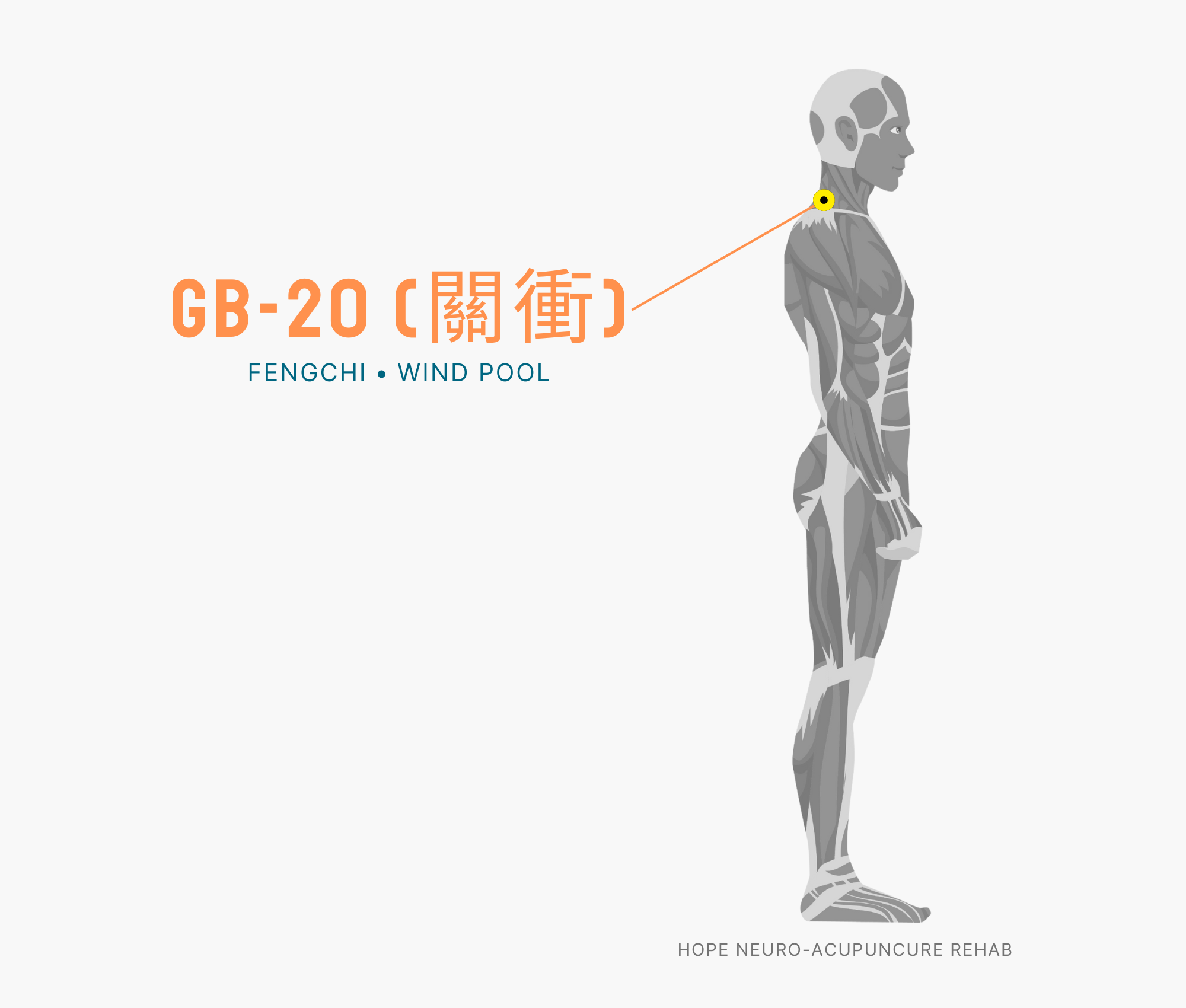
    GB20 acupuncture point

    Location: In the hollows at the base of the skull where the large neck muscle (trapezius) meets. It’s about 2 cm to either side, below the most prominent vertebra when bending the neck forward.

    Acupressure Technique: Using both thumbs, gently press and make slow circular motions. Stimulate both sides simultaneously or one side at a time for 1 minute each, twice daily. Be careful not to press too hard, as excessive pressure can cause headaches.

    Benefits: Fengchi means “the gate that blocks external evil wind.” It improves blood circulation around the neck, strengthens the respiratory system, and defends against cold virus invasion. Regular stimulation during seasonal changes provides excellent cold prevention.

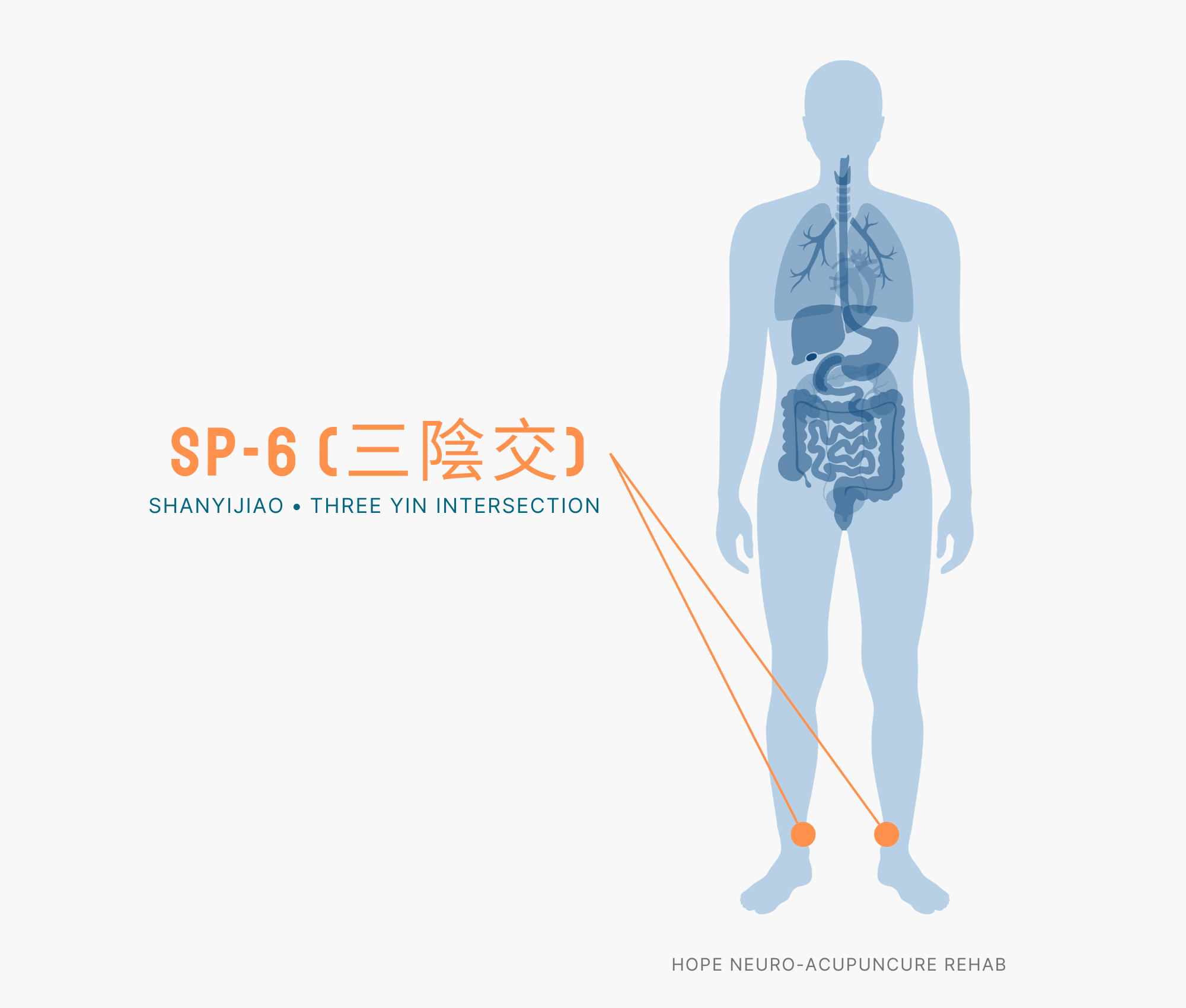
    4. Sanyinjiao (SP6) — The Crossroads of Internal Circulation
    SP6 acupuncture point

    Location: About 10 cm (four finger-widths) above the inner ankle bone, on the inner edge of the tibia. It’s in the depression behind the tibia.

    Acupressure Technique: Press slowly with your thumb, using a rhythm of 3 seconds of pressure followed by 1 second of rest. Stimulate each leg for 3 minutes. The effects are enhanced when stimulated in the evening (5-7 PM).

    Benefits: Sanyinjiao, where the Spleen, Liver, and Kidney meridians converge, regulates blood circulation, metabolism, and hormone balance. It’s highly effective for improving digestive problems, skin issues, and fatigue caused by weakened immunity.

    5. Hegu (LI4) — The Specific Remedy for Pain and Fatigue

    LI4 acupuncture point

    Location: In the webbing between the thumb and index finger on the back of the hand, at the point where the bones meet. It’s the highest point when tracing along the index finger bone toward the thumb.

    Acupressure Technique: Use the opposite thumb to press slowly. You should feel a slight, pleasant soreness (“refreshing soreness”) for the technique to be effective. Stimulate both hands simultaneously for 3 minutes each, 2-3 times daily.

    Benefits: Hegu affects the entire body through the Large Intestine meridian. It’s most effective for strengthening immunity, alleviating cold symptoms, and eliminating headaches and fatigue. It’s easy to stimulate anywhere, making it excellent for stress relief.

    5-Minute Self-Acupressure Routine — Start Every Morning

    This 5-minute routine can be done even during a busy morning. Consistent, regular practice is most important.

    1. Qihai (CV6) – 1 minute : Rub your hands together until warm, then massage your abdomen in clockwise circles. This is the opening stage to awaken your Yuan Qi.
    2. Hegu (LI4) – 1 minute : Stimulate both hands simultaneously. It clears your mind and improves focus.
    3. Zusanli (ST36) – 2 minutes : Sitting or lying down, stimulate each leg for 1 minute. Allocate generous time for this most important acupoint.
    4. Fengchi (GB20) – 0.5 minutes : Gently use both thumbs. Keep stimulation brief to avoid causing headaches.
    5. Sanyinjiao (SP6) – 0.5 minutes : While sitting, quickly stimulate both ankles.

    Best Time: The best time is within 30 minutes of waking up in the morning. For doubled immunity-boosting effects, do the routine again in the evening (5-7 PM).

    Lifestyle Habits to Enhance Acupressure Effectiveness

    • Adequate sleep: 7-8 hours daily. Sleeping before 11 PM helps recover immunity.
    • Warm water: Drinking warm water after stimulation enhances blood circulation.
    • Immunity-boosting foods: Frequently consume foods that enhance immunity, such as mushrooms, red ginseng, Chinese yam, and black beans.
    • Light exercise: Gentle activities like walking, yoga, and stretching enhance immunity.
    • Stress management: Reduce stress through meditation, breathing exercises, and mindfulness.
    ⚠️ Medical Disclaimer: This article is written for informational purposes about health and does not replace professional medical diagnosis or treatment. If symptoms persist or are severe, consult a healthcare professional.
    🤰 Pregnancy Warning: Among the acupoints above, Sanyinjiao (SP6) and Hegu (LI4) may trigger uterine contractions in pregnant women. If you are pregnant or could be pregnant, consult a professional before using these points.
  • Los 5 mejores puntos de presión para dolor de muelas (con ubicaciones exactas)

    Los 5 mejores puntos de presión para dolor de muelas (con ubicaciones exactas)

    One-line summary: Precisely stimulating five acupoints—Hegu (LI4), Jiache (ST6), Xiaguan (ST7), Yingxiang (LI20), and Sanjian (LI3)—can alleviate acute tooth pain within 5-15 minutes.

    Introduction

    Few pains are as unbearable as a sudden toothache. Many people experience pain that strikes in the middle of the night or suffer while waiting for a dental appointment. Modern medicine and traditional Chinese medicine have long recommended acupoint stimulation for relieving facial pain. In particular, acupoints around the face have rich nerve distribution, so acupressure alone can provide quick relief. In this article, we’ll introduce five of the most effective acupoints for toothache relief and the correct acupressure techniques.

    Five Acupoints Effective for Toothache

    1. Hegu (LI4) — The Starting Point for Pain Relief

    LI4 acupuncture point

    Location: This point is located where the thumb and index finger meet, at the highest part of the muscle between the fingers. When your palm faces up, it’s located in the webbing between the thumb and index finger.

    Acupressure Technique: Using the thumb of the opposite hand, press firmly on the Hegu point and hold for 10 seconds, then slowly release. Repeat this 10 times, and perform the same technique on both hands. The pressure intensity should be firm enough to feel slight discomfort.

    Effects: As a primary acupoint on the Large Intestine meridian, it’s excellent for relieving pain throughout the face. It’s especially widely used for alleviating tooth pain, jaw pain, and headaches. It’s effective not only for toothaches but also for migraines and trigeminal neuralgia.

    2. Jiache (ST6) — The Specialty Acupoint for Jaw Pain

    ST6 acupuncture point

    Location: Located about 1cm above the lower jaw edge in the direction of the ear. It’s positioned directly above where the masseter muscle (chewing muscle) protrudes when your mouth is closed.

    Acupressure Technique: Locate the Jiache point with your index or middle finger, then apply pressure at a slight angle toward the ear. Press firmly for 10 seconds, then massage in circular motions about 10 times before slowly releasing. Perform this on both sides of the jaw.

    Effects: As an acupoint on the Stomach meridian, it’s especially effective for jaw joint pain and tooth pain around the lower teeth. Stimulating this point relieves muscle tension around the jaw, quickly alleviating pain.

    3. Xiaguan (ST7) — The Special Remedy for Lower Tooth Pain

    ST7 acupuncture point

    Location: Located in the depression below the cheekbone, approximately 1cm below the ear in the direction of the lower jaw. It’s positioned directly in front of where the joint moves when you slightly open your mouth.

    Acupressure Technique: Locate Xiaguan with your index or middle finger, then apply vertical downward pressure and press for 10 seconds. Perform circular massage motions 10-15 times, then slowly release. Repeat on both sides.

    Effects: As a primary acupoint on the Stomach meridian, it’s especially effective for lower incisor pain and jaw pain. It’s even more effective when stimulated together with Jiache (ST6).

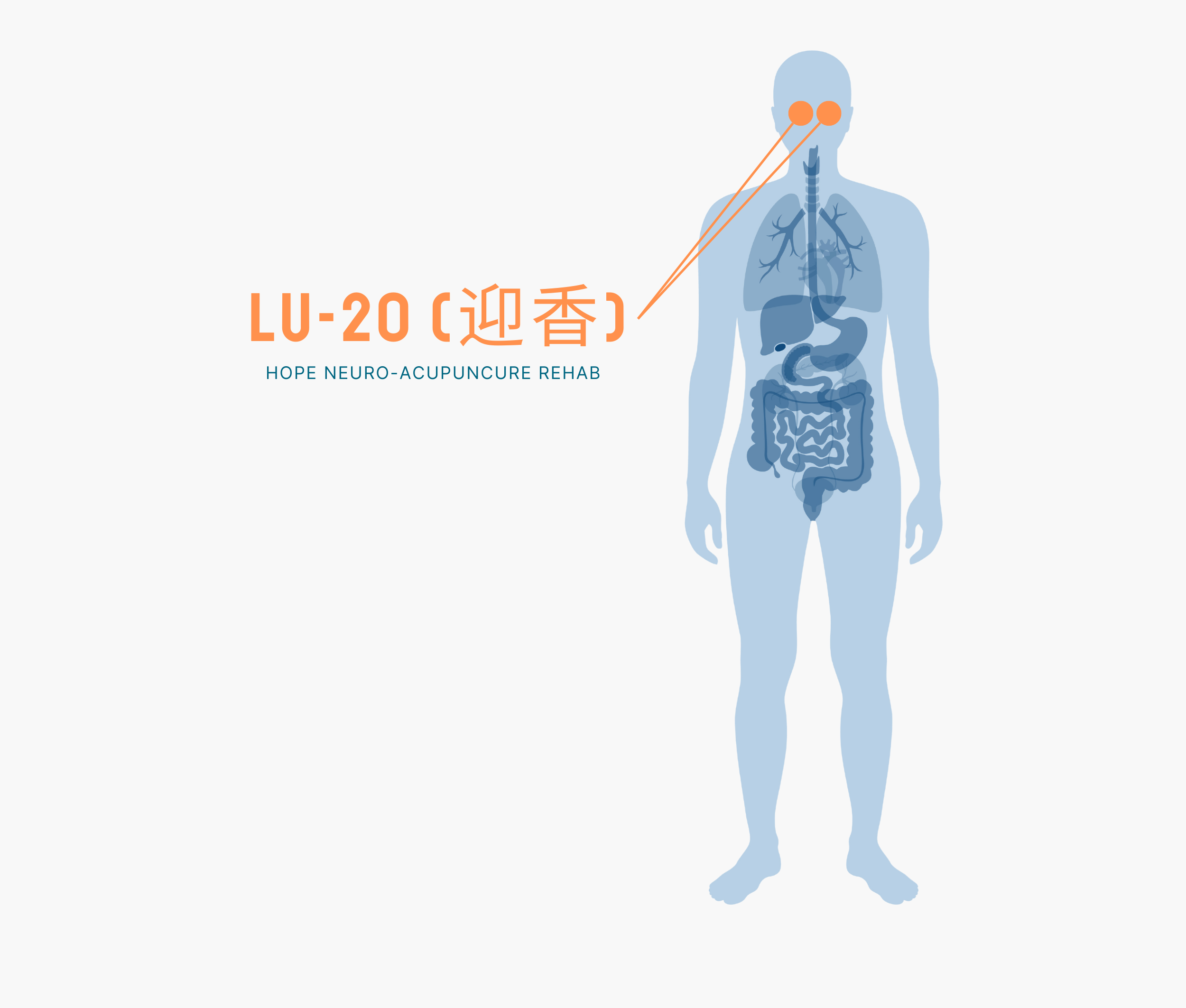
    4. Yingxiang (LI20) — Relief for Pain Around the Nose and Mouth

    LI20 acupuncture point

    Location: Located in the area where the wrinkle beside the nostril deepens, slightly below the outer corners of the nose. It’s at the point where a vertical line drawn upward from the corner of the mouth meets this area.

    Acupressure Technique: Locate Yingxiang simultaneously with both index fingers, then apply pressure at a slight angle toward the nostrils and press for 10 seconds. Perform circular massage motions 10-15 times, then slowly release. Use light pressure since this area is sensitive.

    Effects: As an acupoint on the Large Intestine meridian, it’s effective for relieving tooth pain in the upper incisors and around the nose. It’s particularly beneficial for toothaches caused by maxillary swelling or those associated with sinusitis.

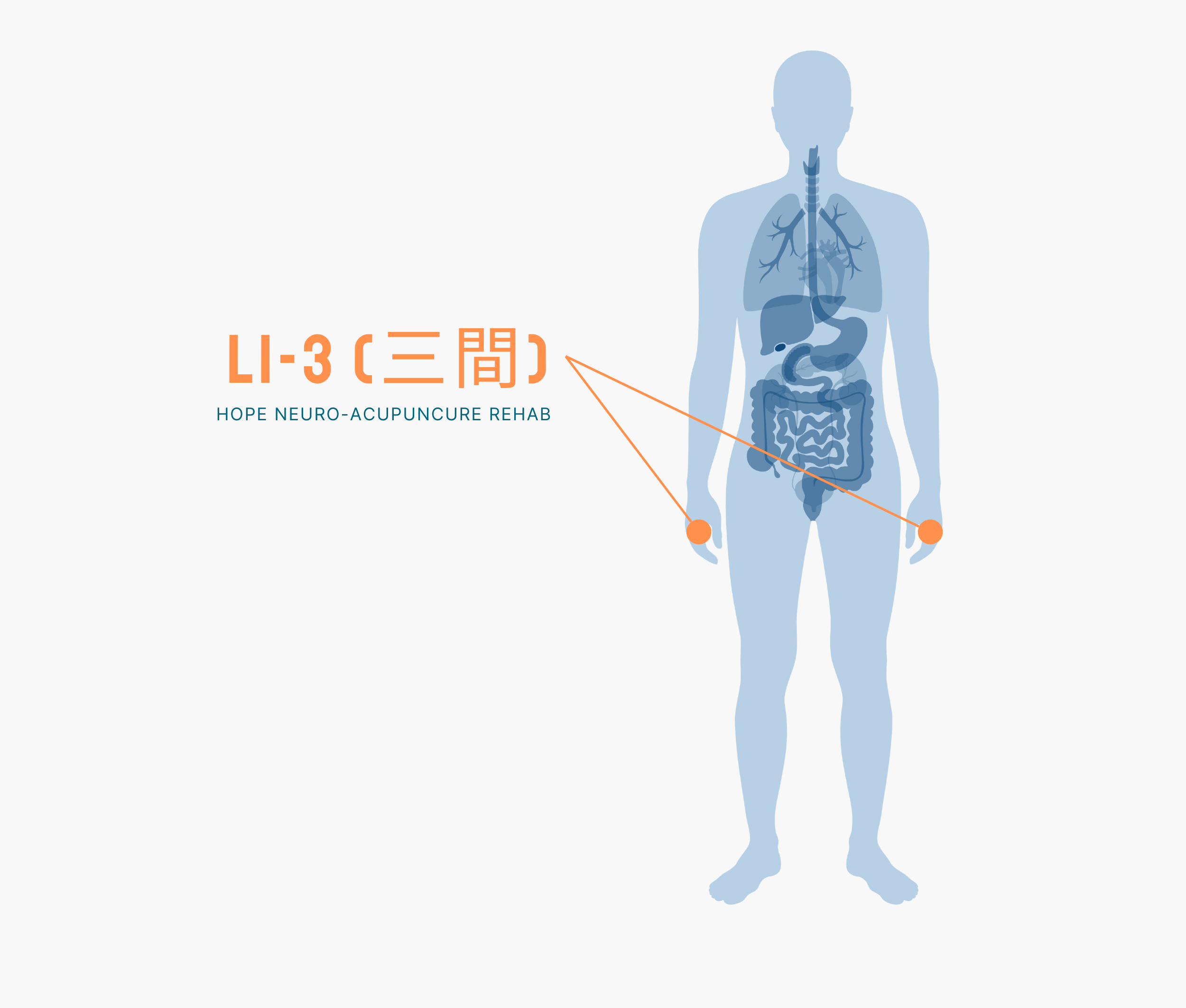
    5. Sanjian (LI3) — The Emergency Acupoint on Your Hand

    LI3 acupuncture point

    Location: Located between the index and middle finger metacarpals on the back of the hand, in the area where hand creases appear. It’s directly below where your index finger touches when you make a fist.

    Acupressure Technique: Locate the Sanjian point with the thumb of the opposite hand and press vertically for 10-15 seconds. Repeat this 5-10 times, then massage by moving your finger up and down. Perform this on both hands.

    Effects: As an acupoint on the Large Intestine meridian, when used together with Hegu (LI4), the pain-relieving effect is doubled. It’s very useful in emergencies since it can be easily stimulated anytime and anywhere.

    5-Minute Self-Acupressure Routine

    When toothache strikes suddenly, follow this routine in order:

    1. Hegu Acupressure (1 minute) — 30 seconds on each hand, medium-to-firm pressure
    2. Jiache Acupressure (1 minute) — 30 seconds on each side of the jaw, being mindful of the jaw joint
    3. Xiaguan Acupressure (1 minute) — 30 seconds on each side, maintaining downward pressure
    4. Yingxiang Acupressure (1 minute) — 30 seconds simultaneously on both sides, light pressure
    5. Sanjian Acupressure (1 minute) — 30 seconds on each hand, final step

    Tip: After performing the routine once, wait about 15 minutes and repeat if necessary. You can repeat up to 3-4 times per day.

    ⚠️ Medical Disclaimer: This article is written for informational health purposes and does not replace professional medical diagnosis or treatment. If symptoms persist or are severe, please consult a healthcare professional.
    🤰 Pregnancy Warning: Among the above acupoints, Hegu (LI4) and Xiaguan (ST7) can trigger uterine contractions in pregnant women. If you are pregnant or possibly pregnant, you must consult a professional before using these techniques. For pregnant women, it’s recommended to use only Yingxiang (LI20) and Jiache (ST6) acupressure.
  • ¿Dolor de mandíbula? Presiona estos 5 puntos para alivio natural

    ¿Dolor de mandíbula? Presiona estos 5 puntos para alivio natural

    一行要約: 顎関節痛を緩和するために下関(ST7)、頬車(ST6)、太陽(EX-HN5)、風池(GB20)、三間(LI3)のツボを毎日2~3回指圧すれば、顎の筋肉の緊張をほぐし、痛みを緩和することができます。

    はじめに

    食べ物を噛むときに顎からカチカチという音がしたり、口を開くときに痛みを感じていませんか?現代人はストレス、姿勢の悪さ、歯ぎしりなどが原因で、顎関節痛をよく経験します。このような症状は単なる不便さを超えて、慢性痛に発展する可能性があります。漢方医学のツボ指圧は、顎関節周辺の緊張した筋肉をほぐし、血液循環を改善して痛みの緩和に効果的です。薬物療法なしでも家で簡単にできる5つのツボをご紹介します。

    顎関節痛を緩和するツボ5か所

    1. 下関(ST7, Xiaguan) — 顎関節直上部の主要なツボ

    ST7 acupuncture point

    位置: 頬骨の下、顎骨上部のくぼんだ部分。口を閉じているときに最も見つけやすいツボです。
    WHO コード: ST7(足陽明胃経)
    指圧法: 親指で上方向にゆっくり3~5秒間押してから離すを繰り返します。強く押しすぎると痛みが増す可能性があるので注意してください。
    効果: 顎関節周辺の緊張をほぐし、顎の動きによる痛みを直接軽減します。顔面神経痛や頭痛とも関連があり、包括的な顔面部痛の緩和に効果的です。

    2. 頬車(ST6, Jiache) — 下顎筋の弛緩点

    ST6 acupuncture point

    位置: 下顎の端、かみしめるときに隆起する筋肉部分。下顎の先端から上へ約2cm離れた地点です。
    WHO コード: ST6(足陽明胃経)
    指圧法: 人差し指と中指の2本の指で上方向と内側方向に同時に押します。1日3~5回、1回30秒のマッサージが良いです。
    効果: 咀嚼筋の過度な緊張を直接解消するため、歯ぎしりや食いしばりのときに生じる顎関節痛に特に効果的です。

    3. 太陽(EX-HN5, Taiyang) — こめかみの万能ツボ

    位置: 両側のこめかみ、眉毛の先端から横へ約1.5cm離れたくぼんだ部分です。
    WHO コード: EX-HN5(経外奇穴)
    指圧法: 両側の親指で同時に円を描くようにマッサージします。時計回りに10回、反時計回りに10回繰り返してください。朝起きたときと夜間に各々行うと良いです。
    効果: 頭痛と顔の緊張緩和に効果的で、顎関節と関連する側頭部の筋肉をほぐします。ストレスによる顎関節痛に特に役立ちます。

    4. 風池(GB20, Fengchi) — 頸椎と顎を結ぶ接続点

    GB20 acupuncture point

    位置: 後頭部、首の後ろ根部の両側のくぼんだ部分。首を前に曲げたときに触れることができる2つのくぼみです。
    WHO コード: GB20(足少陽胆経)
    指圧法: 両手の親指で下方向に1~2分間ゆっくり押します。首の筋肉がほぐれる感覚を感じるまで維持してください。
    効果: 首と肩の緊張を緩和して、顎関節に伝わるストレスを減らします。頸椎症やストレートネックによる顎関節痛に効果的です。

    5. 三間(LI3, Sangjian) — 手の遠隔治療点

    LI3 acupuncture point

    位置: 手の親指と人差し指の間の膜部分、骨が出会う中央です。
    WHO コード: LI3(手陽明大腸経)
    指圧法: 反対側の手の親指で1~2分間ぐっぐっと押すか、円を描くようにマッサージします。両手とも行ってください。
    効果: 消化器と顔関連の神経を調節する大腸経絡を刺激して、顎関節痛に関連する全身の緊張を緩和します。遠隔治療点として、いつでもどこでも刺激することができます。

    5分間のセルフ指圧ルーティン

    毎日朝または夜間に以下の順序で進めてください:

    1. 準備(30秒): 快適な姿勢に座り、深呼吸3回
    2. 風池(GB20)— 1分: 親指でゆっくり押す × 3回
    3. 太陽(EX-HN5)— 1分: 両側の親指で円形マッサージ × 2セット
    4. 下関(ST7)— 1分: 親指で上方向に押して離す × 5回
    5. 頬車(ST6)— 1分: 人差し指・中指で上に押しながらマッサージ × 30秒
    6. 三間(LI3)— 1分: 両手の親指でぐっぐっと押す × 各30秒
    7. 整理(30秒): 顎をゆっくり10回動かす、深呼吸

    ⏰ 合計所要時間: 約5~6分
    💡 ヒント: 温湿布や温かいタオルを顔に置いた後に指圧すると、筋肉の弛緩効果がより良くなります。

    🤰 妊婦注意: この記事で紹介するツボ(下関、頬車、太陽、風池)は一般的に安全ですが、妊娠中または妊娠の可能性がある方は強い刺激を避け、必ず漢方医や産婦人科医と相談した後に行ってください。
    ⚠️ 医学免責事項: この記事は健康情報の提供目的で作成されており、専門的な医学診断や治療に代わるものではありません。顎関節痛が3週間以上続いたり、口を開くのが難しく、顎が頻繁に外れる症状がある場合は、必ず歯科医または整形外科医の専門家に相談してください。特に外傷後に生じた痛みは、即座に病院を受診する必要があります。
  • Los 5 mejores puntos de presión para dolor de cuello por teléfono (con ubicaciones exactas)

    Los 5 mejores puntos de presión para dolor de cuello por teléfono (con ubicaciones exactas)

    一行要約: GB20、BL10、GB21、LI4、LR3の5つのツボを毎日5分間指圧することで、スマホ首による首・肩の痛みを効果的に緩和することができます。

    スマホ首の痛みとは?

    スマートフォンとコンピュータの使用が増えるにつれて、スマホ首(テキストネック)に悩む人々が大幅に増加しました。スマホ首は通常の姿勢より首が前に曲がった状態であり、首と肩の筋肉に継続的な緊張をもたらします。これにより、頸椎周辺の筋肉が硬直し、神経が圧迫されて、首の痛み、肩こり、頭痛、腕のしびれなどの様々な症状が現れます。東洋医学では、このような首の痛みをツボの刺激を通じて緩和できると考えています。ツボの指圧は経穴を刺激して気血循環を促進し、筋肉の緊張を和らげることで、痛みの緩和と予防に効果的です。

    スマホ首の痛みに効果的な5つのツボ

    1. 風池(GB20)—首の後ろの「痛み遮断ツボ」

    GB20 acupuncture point

    位置: 首の後ろ側、頭蓋骨の下のくぼみ(首と頭の境界線の両側) | WHOコード: GB20

    指圧方法: 両手の親指で風池のツボに固定して、上方に押し上げるように2~3秒間圧力をかけてから離します。10~15回繰り返してください。首を少し前に傾けるとツボを見つけやすくなります。

    効果: 風池は首と頭を結ぶ重要な経穴です。指圧すると首周辺の血液循環を促進し、筋肉の緊張を緩和してスマホ首による後頸部の痛み、頭痛、眼の疲労を同時に改善します。午後に首が硬くなるときに頻繁に刺激するといいでしょう。

    2. 天柱(BL10)—首の痛みの「要のツボ」

    BL10 acupuncture point

    位置: 首の後ろ、風池の少し下方、首の後ろ正中線から両側に1.3cm離れた地点 | WHOコード: BL10

    指圧方法: 両手の親指を天柱に置いて、ゆっくり円を描くように10~15回こすります。または親指で2~3秒ずつ押す方法も効果的です。自然な強度で重だるさを感じるくらいが良いでしょう。

    効果: 天柱は頸椎周辺の硬直した筋肉を直接緩和するツボです。首の後ろの痛み、硬直した首、頸椎性頭痛を素早く改善し、スマホ首による肩と首の緊張性疼痛に即座の効果をもたらします。

    3. 肩井(GB21)—肩-首の緊張の「応急処置ツボ」

    位置: 首と肩が出会う点の中央、肩の最も高い地点 | WHOコード: GB21

    指圧方法: 反対側の手の親指と残りの指で肩井をつかむようにつまんで、3~5秒間圧力をかけます。10~15回繰り返してください。または親指で下方に押す方法も効果的です。

    効果: スマホ首で最も緊張する部位が肩-首の境界です。肩井を刺激すると首から肩までの広範囲な緊張が緩和され、血液循環が改善されて、肩こり、首の痛み、腕のしびれ感が同時に解消されます。

    4. 合谷(LI4)—全身の痛みの「万能ツボ」

    LI4 acupuncture point

    位置: 親指と人差し指の間の指股の中央、手の甲のくぼみ | WHOコード: LI4

    指圧方法: 反対側の親指で合谷に力を込めて2~3秒押してから離します。10~15回繰り返してください。少し痛いくらいの圧力が最も効果的です。両手ともに刺激してください。

    効果: 合谷は神経系と免疫系を刺激する「鎮痛の王」です。首、肩、腕の痛みを総合的に緩和し、ストレスによる筋肉の緊張も解消します。スマホ首の痛みに伴う頭痛や疲労も共に改善されます。

    5. 太衝(LR3)—全身のリラックスの「ストレス解消ツボ」

    位置: 足の甲の親指と第二指の間、指股の中央 | WHOコード: LR3

    指圧方法: 親指や先の丸い物で太衝に2~3秒間圧力をかけてから離します。10~15回繰り返してください。両足ともに同じ強度で刺激することが重要です。

    効果: 太衝は肝経絡を通じて全身のリラックスを促進します。ストレスによる筋肉の硬直を緩和し、血液循環を改善して首と肩の緊張を根本的に解消します。特にストレスで悪化したスマホ首の痛みに効果的です。

    5分セルフ指圧ルーティン

    ご自身の状況に合わせて選択してください:

    迅速な緩和モード(3分):

    1. 風池 × 10回 (30秒)
    2. 天柱 × 10回 (30秒)
    3. 肩井 × 10回 (30秒)
    4. 合谷 × 10回 (両手、1分)

    完全なケアモード(5分):

    1. 風池 × 15回 (1分)
    2. 天柱 × 15回 (1分)
    3. 肩井 × 15回 (1分)
    4. 合谷 × 10回 (両手、1分)
    5. 太衝 × 10回 (両足、1分)

    推奨時間: 朝起床後、昼食後午後3時頃、夜間退勤後、合計1~2回。毎日継続すると1~2週間以内に明らかな改善を感じることができます。

    ⚠️ 医療免責事項: この記事は健康情報提供目的で作成されており、専門的な医学診断や治療の代替となるものではありません。症状が続く場合や重い場合は、必ず医療専門家に相談してください。
    🤰 妊婦注意: 上記のツボの中で合谷(LI4)と太衝(LR3)は妊婦に子宮収縮を引き起こす可能性があります。妊娠中または妊娠の可能性がある方は、必ず専門家に相談した後、風池、天柱、肩井のみを選択的に実施してください。
  • Alivio del tinnitus: 5 puntos de presión que realmente funcionan

    Alivio del tinnitus: 5 puntos de presión que realmente funcionan

    “`html

    One-line summary: Tinnitus (ringing in the ears) can be alleviated by stimulating 5 acupoints—Tinghui, Yifeng, Fengchi, Baihui, and Kunlun—through regular acupressure, which promotes qi and blood circulation and stabilizes the nerves.

    Introduction: Understanding Tinnitus Symptoms and the Principles of Acupoint Treatment

    Are you bothered by unwanted sounds constantly ringing in your ears, disrupting your daily life? That’s tinnitus. It’s characterized by hearing ringing, buzzing, or hissing sounds in your ears even when there’s no external sound, and it can be accompanied by stress and anxiety.

    While modern medicine often finds it difficult to identify a clear cause of tinnitus, Traditional Chinese Medicine takes a different approach. It views tinnitus as resulting from insufficient qi and blood circulation, nervous sensitivity, and nerve fatigue caused by sleep deprivation, and believes it can be improved through stimulation of specific acupoints. In particular, stimulating the meridians (acupuncture channels) around the ear and those leading to the brain can calm the auditory nerve and improve blood circulation.

    The 5 Best Acupoints for Tinnitus Relief

    1. Tinghui (聽宮) – SI19 / Tinghui

    SI19 acupuncture point

    Location: In front of the ear, at the depression that appears when the mouth is closed (below the front of the earlobe).

    How to find it: Place your index fingers in front of your mouth, and when you open your mouth, the depressed point is Tinghui. It returns to prominence when you close your mouth.

    Acupressure technique: Using the tip of your thumb, apply gentle circular pressure for 30 seconds. Perform on both sides, 2-3 times per day.

    Benefits: Tinghui is a specific acupoint for ear disorders. It’s an essential point that directly alleviates tinnitus, hearing loss, and ear fullness, and is emphasized in classical Chinese acupoint texts.

    2. Yifeng (翳風) – TE17 / Yifeng

    TE17 acupuncture point

    Location: Below the ear, at the depression behind the earlobe (in the space between the mastoid bone and the jaw).

    How to find it: Press the earlobe with your finger and fold it backward; a deep groove will appear behind the ear. That’s where Yifeng is located.

    Acupressure technique: Apply gentle pressure with your thumb, using circular motions for 30 seconds, keeping the pressure within a range that doesn’t cause pain.

    Benefits: Yifeng is an essential point on the Triple Burner meridian (the channel that goes to the ear and face), relieving ear fatigue and stabilizing the auditory nerve. It’s effective for tinnitus, ear pain, and facial nerve paralysis.

    3. Fengchi (風池) – GB20 / Fengchi

    GB20 acupuncture point

    Location: At the back of the neck, below the base of the skull (at the depression between the neck muscles on both sides).

    How to find it: Tilt your head back to find the groove between two muscles; specifically, it’s at the movable bone beneath the skull.

    Acupressure technique: Using both thumbs, apply pressure toward the inside of the neck at a slight upward angle. Apply pressure for 30 seconds at each point, 3 times per day.

    Benefits: It promotes blood circulation to the brain and relieves nerve tension. It can simultaneously alleviate headaches, dizziness, and neck stiffness that often accompany tinnitus.

    4. Baihui (百會) – GV20 / Baihui

    Location: At the top of the head, at the point where the line connecting the highest points of both ears intersects with the midline.

    How to find it: Imagine a line connecting the highest points of both ears; where this line intersects the midline of the head is Baihui. When you press it with your finger, it feels slightly depressed.

    Acupressure technique: Using your thumb or middle finger, apply gentle pressure vertically, massaging in small circles for 20-30 seconds. Avoid excessive stimulation.

    Benefits: It calms brain nerves and clarifies the mind. It improves tinnitus, insomnia, and anxiety together, and is excellent for recovering from mental fatigue.

    5. Kunlun (崑崙) – BL60 / Kunlun

    BL60 acupuncture point

    Location: On the outer ankle, at the depression behind the outer ankle bone.

    How to find it: Kunlun is located in the groove between the outer ankle bone (lateral malleolus) and the Achilles tendon.

    Acupressure technique: Using your thumb, repeatedly press vertically toward the ankle and release for 1 minute. Apply enough stimulation to feel mild tenderness. Perform 1-2 times per day.

    Benefits: It relieves nerve tension and improves qi and blood circulation throughout the body. In particular, it relieves nerve fatigue in the ear and prevents tinnitus from worsening due to sleep deprivation.

    5-Minute Self-Acupressure Routine: Optimal Sequence and Time Distribution

    Perform the following sequence every morning after waking up or every evening before sleep:

    1. Tinghui (1 minute) — 30 seconds on each side, gentle circular pressure
    2. Yifeng (1 minute) — 30 seconds on each side, light to moderate pressure
    3. Fengchi (1 minute) — 30 seconds on each side, pressing toward the brain
    4. Baihui (1 minute) — 30 seconds centered on the midline
    5. Kunlun (1 minute) — 30 seconds on each side, stimulate to mild tenderness

    Tip: Perform this routine consistently 5-6 days per week, and do it twice daily (morning and evening) on days when symptoms are severe. You should continue for at least 3 months to notice the effects.

    ⚠️ Medical Disclaimer: This article is provided for informational purposes only and does not replace professional medical diagnosis or treatment. If tinnitus develops suddenly, is severe, is accompanied by hearing loss, or persists, please consult a specialist at an ENT clinic or Traditional Chinese Medicine clinic. A proper diagnosis is especially important to rule out the possibility of tinnitus caused by a brain tumor or vascular disease.
    🤰 Pregnancy Warning: Among the acupoints above, Kunlun (BL60) and Fengchi (GB20) may trigger uterine contractions in pregnant women. If you are pregnant or may be pregnant, avoid these two acupoints and perform only Tinghui, Yifeng, and Baihui, or consult a specialist before proceeding.

    “`

  • Los 5 mejores puntos de presión para dolores de cabeza por tensión (con ubicaciones exactas)

    Los 5 mejores puntos de presión para dolores de cabeza por tensión (con ubicaciones exactas)

    一行要約:緊張性頭痛は首と頭皮の硬化した筋肉による血液循環不足が主な原因であり、風池・合谷・太陽・百會・天柱の5つのツボを刺激することで、即座の緩和効果が期待できます。

    導入部:緊張性頭痛、ツボで根本解決しましょう

    現代人の常症である緊張性頭痛。午後になると訪れるもやもやとした痛み、首と頭を押さえたくなるあの感じ、もしかしてあなたも経験していますか?緊張性頭痛はストレスと悪い姿勢により、首、肩、頭皮の筋肉が過度に収縮することで発生します。このとき筋肉内の血液循環が低下し、代謝老廃物が蓄積することで痛みが悪化するのです。

    漢方医学ではこのような緊張性頭痛を首と頭部の気血循環不足として捉え、特定のツボを刺激して筋肉の弛緩と血液循環を促進します。薬物なしで指一本、わずか5分の投資でも即座の痛み緩和が可能なその秘訣を、今からご紹介します。

    ツボ1:風池(ふうち) – GB20

    位置:首の後ろ、首と頭が出会う部分の両側。髪が始まる境界線のすぐ上のくぼみです。

    指圧法:両手の親指で軽く上方に向かって押しながら、円形に10~15回こすってください。3~5秒押す動作を10回繰り返してもよいです。

    効果:風池は「首の緊張を解くツボ」として知られており、首の筋肉の硬化を直接緩和させます。後頭部と側頭部の頭痛、首のコリ、うなじの硬さを同時に解消する最も強力なツボです。

    ツボ2:合谷(ごうこく) – LI4

    位置:親指と人差し指の間、親指の骨の端からやや人差し指方向に下った くぼみの部分です。

    指圧法:反対側の親指でやや強い力で30秒~1分間ぐっと押してから離す動作を5回繰り返してください。円形にゆっくりこすってもよく効果的です。

    効果:東洋医学で「あらゆる痛みの万能薬」と呼ばれる合谷は、神経信号伝達を調節して頭痛、顔面痛、歯痛など上半身の痛みを幅広く緩和します。特にストレスによる緊張性頭痛に非常に効果的です。

    ツボ3:太陽(たいよう) – 経外奇穴

    位置:こめかみの部分。目と耳の中間くらい、押したときにくぼむ部分です。

    指圧法:人差し指と中指を合わせて円形にゆっくり15~20回こすってください。軽い圧力を保ちながら小さな円を描くように進めます。片方向に10回、反対方向に10回するのもよいでしょう。

    効果:側頭部(こめかみ周辺)の頭痛専門のツボです。緊張性頭痛が片側の側頭部にだけ出現するときに特に効果的であり、眼疲労と視力改善にも役立ちます。

    ツボ4:百會(ひゃくえ) – GV20

    位置:頭の頭頂部。両耳の最も高い点を結んだ線と顔の中心を結んだ線が交わる交点です。指で押すと軽くくぼむ部分です。

    指圧法:両手の中指を重ねて百會の部分を刺激します。約3~5秒押す動作を10回繰り返し、同時に小さな円形でこすってください。強く押しすぎないように注意します。

    効果:「百の問題を解決する」という意味のツボで、全体的な精神の気を澄ませてくれます。頭頂部と全体の頭部の頭痛を緩和し、同時に疲労感と無気力感も解消します。ストレス性頭痛に特に適しています。

    ツボ5:天柱(てんちゅう) – BL10

    位置:首の後ろの正中央、風池より少し下方。首と肩が出会う部位の両側の筋肉の上部です。

    指圧法:両手の親指で下方に向かって強く押しながら5秒間保持することを8~10回繰り返してください。同時に首をゆっくり後ろに反らせてストレッチを一緒に行うとさらに効果的です。

    効果:天柱は首の後ろの著しく硬化した筋肉を弛緩させるツボです。後頭部の頭痛、首のコリ、肩のコリを同時に緩和し、脳に向かう血液循環を改善して頭痛の根本的な原因を治療します。

    5分セルフ指圧ルーティン – 迅速で効果的な方法

    忙しい日常の中で緊張性頭痛が発症したときに5分で完了できるルーティンです:

    • 1分(準備):楽な姿勢に座って深く息を3回吸い込んでゆっくり吐き出します。首と肩を左右に2~3回ゆっくり回します。
    • 1分(風池):両手の親指で風池を刺激します。強い圧力で10~15回円形マッサージします。
    • 1分(太陽+合谷):片方の手はこめかみ(太陽)を円形でこすり、もう一方の手は合谷をぐんぐん押す動作を並行します。30秒後、反対側の手に交代します。
    • 1分(百會+天柱):頭の頭頂部(百會)を両手の中指で弱く押しながら、首の後ろ(天柱)を親指で強く刺激します。10回繰り返します。
    • 1分(仕上げ):もう一度首をゆっくり左右に回して、深く呼吸しながら緊張をほぐします。

    ヒント:朝に予防目的で1回、午後に症状があるときに2回実行すれば、一日中頭痛の心配から解放されます。

    ⚠️ 医療免責事項:この記事は健康情報提供目的で作成され、専門的な医療診断や治療に代わるものではありません。症状が持続したり重症の場合は、必ず医療専門家に相談してください。
    🤰 妊婦注意:上記のツボの中で合谷(LI4)、天柱(BL10)、風池(GB20)は妊婦に子宮収縮を引き起こす可能性があります。妊娠中またはその可能性のある方は、必ず専門家に相談してから実行してください。
  • ¿Codo de tenista? Presiona estos 5 puntos para alivio natural

    ¿Codo de tenista? Presiona estos 5 puntos para alivio natural

    一行要約: テニス肘の痛み緩和のために、曲池、外関、合谷、肘髎、天宗の5つのツボを毎日3~5分指圧すると、血液循環を促進し、肘の炎症を鎮めることができます。

    導入部

    ラケットスポーツや反復的な腕の動きで肘の外側に痛みが生じるテニス肘。単なる疲労だと片付けるには痛みが強すぎて、日常生活にも支障が出ていませんか?手首を上げるとき、物をつかむたびに痛みを感じるなら、ツボ刺激が役に立つかもしれません。漢方医学では、肘の外側の痛みを大腸経の気血循環不足と考え、その経路のツボを刺激すれば、炎症部位の血液循環を促進し、筋肉の緊張を緩和できると考えています。医学的診断と並行して、日常のセルフ指圧で症状を管理してみてください。

    5つのツボについて

    1. 曲池(LI11)— 肘の炎症に最も直接的に作用するツボ

    LI11 acupuncture point

    WHOコード: LI11(大腸経11番)
    位置: 肘を曲げたとき、肘の屈曲線の外側の端に位置するツボです。親指と人差し指で肘のしわに沿って外側に探すと、くぼんだ部分が曲池です。
    指圧法: 親指の先端でゆっくり円を描くように1分間刺激します。最初は弱い圧力から始めて、徐々に強度を高めていきますが、痛みレベルの70~80%程度が適切です。反対の腕も同様に行います。
    効果: 曲池は大腸経の重要なツボで、肘の炎症を直接緩和し、上腕部の血液循環を促進します。特にテニス肘の症状があるときは、最初に刺激するべき位置です。

    2. 外関(TE5)— 前腕の筋肉の緊張を緩和

    TE5 acupuncture point

    WHOコード: TE5(三焦経5番)
    位置: 手首の背側(指の反対側)から肘の方向へ上がり、橈骨と尺骨の間、手首のしわから約指3本分上の位置です。腕を床に広げたときの手首の背側の中央線上部です。
    指圧法: 親指でゆっくり押しながら30秒間保持してから放すを2回繰り返します。その後、円形摩擦を1分間行います。痛みを感じるかもしれませんので、自分の快適な強度で調整してください。
    効果: 前腕の筋肉の緊張を緩和し、肘へ伝わるストレスを軽減します。手首と肘をつなぐ区間の血液循環改善によって、テニス肘の痛み緩和に役立ちます。

    3. 合谷(LI4)— 全身の痛み制御と免疫力強化

    LI4 acupuncture point

    WHOコード: LI4(大腸経4番)
    位置: 親指と人差し指が出会う水かき(指が分かれる部分)の中央、指を閉じたときに見える折り目の上部です。人差し指の骨の外側の境界線に位置します。
    指圧法: 反対の親指で合谷の部位を見つけた後、指の根元の方向へゆっくり押します。1分間の円形摩擦の後、10秒間の強い圧迫を3回繰り返します。最初に若干の痛みや爽快感があるのは正常です。
    効果: 合谷は全身の気血循環を調整する重要なツボで、肘だけでなく全体的な炎症反応を緩和します。免疫力強化と痛み信号遮断の効果によってテニス肘の回復を加速させます。
    ⚠️ 妊婦注意: 合谷は妊婦に子宮収縮を引き起こす可能性があるツボです。妊娠中または妊娠の可能性がある場合は、専門家に相談した後に行ってください。

    4. 肘髎(LI10)— 上腕部の筋力回復と腕の疲労除去

    LI10 acupuncture point

    WHOコード: LI10(大腸経10番)
    位置: 腕を広げた状態で肘と肩の中央、上腕外側の中心線上に位置します。腕を閉じて肩と肘の中点を探すと、その部位の筋肉内の圧痛点です。
    指圧法: 親指でゆっくり押しながら30秒間保持してから放すを3回繰り返します。その後、円形摩擦で1分間刺激します。筋肉が凝っている感じがあれば、強度を上げてマッサージしても大丈夫です。
    効果: 上腕の筋肉の疲労を緩和し、血液循環を改善することで、腕全体の筋力回復を助けます。テニス肘で弱くなった腕の機能回復と再発防止に効果的です。

    5. 天宗(BL38)— 肘周辺の経路循環促進

    BL38 acupuncture point

    WHOコード: BL38(膀胱経38番)
    位置: 肘の後ろ側(肘伸展部位)のやや上側、肘のしわ線から上方へ指1本分離れた地点です。腕を広げた状態で肘の外側の最上端です。
    指圧法: 親指で垂直にゆっくり押しながら20秒間保持を3回繰り返します。その後、周辺部(肘全体)を円形摩擦で1分間マッサージします。肘の痛み部位の周辺を包括的に刺激することが効果的です。
    効果: 膀胱経は身体の後面の大きな経脈で、天宗の刺激は肘周辺の硬くなった筋膜を緩和し、局所血液循環を大幅に改善します。

    5分間のセルフ指圧ルーチン

    合計所要時間:5分(両腕)
    最適なタイミング:朝起床後、寝る前、腕が疲れているとき

    1. 準備(30秒) — 快適な姿勢で座り、両腕を広げます。軽いストレッチで腕の筋肉をほぐします。
    2. 曲池刺激(60秒) — 両側の曲池を30秒ずつ親指で円形摩擦します。最初は弱く、徐々に強度を高めます。
    3. 外関刺激(60秒) — 両側の外関を30秒ずつ刺激します。押さえることと円形摩擦を交互に行います。
    4. 合谷刺激(60秒) — 両側の合谷をそれぞれ30秒ずつ刺激します。10秒の強い圧迫を3回含めます。
    5. 肘髎刺激(60秒) — 両側の肘髎をそれぞれ30秒ずつ刺激します。筋肉が凝っている部位はより強くマッサージします。
    6. 天宗刺激(60秒) — 両側の天宗と肘周辺を30秒ずつ刺激します。肘全体を包括的にマッサージします。
    7. 整理(30秒) — 腕を胸に寄せて軽く叩き、腕を上に上げてから下ろすストレッチを2回行います。

    注意事項: 痛みが強いときは強度を下げ、より頻繁に繰り返しますが、毎回3~5分を超えないようにします。屋外で仕事をしたり、運動直後は30分経過して腕が冷えてから刺激するのが良いです。

    ⚠️ 医学免責事項: この記事は健康情報提供を目的として作成されており、専門的な医学的診断や治療に代わるものではありません。テニス肘の症状が2週間以上続いたり、重い場合、または痛みとともに腫れ、発熱、指のしびれなどが伴う場合は、必ず整形外科や漢方医院の専門家に相談してください。個人の健康状態によっては、ツボ刺激が不適切である可能性があるため、専門家の診断を受けた後に行うことをお勧めします。
    🤰 妊婦注意: 上記のツボの中で、合谷(LI4)は妊婦に子宮収縮を引き起こす可能性があります。妊娠中または妊娠の可能性がある方は、必ず漢方医師や産婦人科の専門家に相談した後に行ってください。曲池、外関、肘髎、天宗は一般的には安全ですが、個人の妊娠状態によっては禁忌事項がある可能性があるため、専門家の指導の下で進めることをお勧めします。
  • Cómo Aliviar el Dolor de Estómago Naturalmente con Estos 5 Puntos de Presión

    Cómo Aliviar el Dolor de Estómago Naturalmente con Estos 5 Puntos de Presión

    要約: 胃痛は消化機能の低下とストレスによって起こる一般的な症状であり、太衝・三陰交・合谷・中脘・足三里などの5つの主要なツボを指圧することで、腹部の血液循環を改善し、消化器機能を正常化するのに役立ちます。

    導入部

    突然やってくる胃痛、どんなに不便で辛いですか?ストレスの多い日常生活の中で、消化機能が低下して胃腸の健康を失う人が多くいます。胃痛は単なる信号かもしれません。私たちの体がより良い管理が必要だと送っている信号なのです。

    伝統的な東洋医学では、胃腸の健康を「中焦機能」と見なします。特定のツボを刺激すると、気血循環を促進して消化機能を改善し、胃痛を緩和することができると考えられています。今日紹介する5つのツボは、数千年にわたって検証された方法で、家で誰もが簡単に指圧することができます。薬を使わず、手一つで始める健康管理、今から学んでみてください。

    胃痛緩和に効果的なツボ5つ

    1. 太衝(LR3) — 肝機能と消化の中心

    位置: 足の甲の上、親指と人差し指が出会う点の上、親指の二関節分程度

    WHO コード: LR3 (肝3)

    指圧方法: 足を前に伸ばして座り、親指で太衝のツボを見つけてゆっくり押します。最初は軽く始めて、徐々に圧力を高めてください。1回1~2分、1日2回実施すると効果的です。

    期待される効果: 太衝は肝の気を疎通させ、ストレスによる胃痙攣を緩和します。特に感情的ストレスによる胃痛に優れており、消化効率を高め、腹部膨満感を軽減します。長期間指圧すると、消化機能全般が改善される効果が見られます。

    2. 三陰交(SP6) — 消化器健康の核

    SP6 acupuncture point

    位置: ふくらはぎの内側、内くるぶし(足首内側の突出した部分)の上、約4本指(約10cm)程度の高さ

    WHO コード: SP6 (脾6)

    指圧方法: 脚をリラックスして伸ばすか曲げた状態で、親指でふくらはぎの内側をゆっくり押します。骨側ではなく、内側の筋肉部分を正確に狙ってください。痛みなく、わずかな圧痛を感じる程度が適切です。

    期待される効果: 三陰交は脾臓と胃の機能を調節する重要なツボで、消化吸収を促進します。慢性消化不良、下痢、腹部膨満感の緩和に特に効果的であり、全体的な免疫力も向上させます。定期的に刺激すると、消化器系疾患の予防にも役立ちます。

    3. 合谷(LI4) — 痛み緩和の名穴

    LI4 acupuncture point

    位置: 親指と人差し指が出会う部位、手の甲の最も高い点

    WHO コード: LI4 (大腸4)

    指圧方法: 一方の手の親指で、もう一方の手の合谷のツボを垂直に押したり放したりします。最初は弱く始めて、徐々に圧力を高めますが、耐えられない痛みが生じないよう注意してください。円形にこする方法も効果的です。

    期待される効果: 合谷は「四総穴」と呼ばれるほど、様々な疾患に効果的です。特に腹部の痛みと緊張した腹部筋肉を緩和し、大腸機能を促進して消化作用を改善します。免疫力向上効果もあり、全体的な身体抵抗力を高めます。

    4. 中脘(CV12) — 胃の機能の直接的な調節点

    位置: へそと胸骨下(胸の下)の中間地点、腹部正中線上

    WHO コード: CV12 (任脈12)

    指圧方法: 楽な姿勢で横たわり、お腹の力を抜いてください。3本の指を合わせて中脘のツボをゆっくり押しますが、円形に時計方向にこすることがより効果的です。1回1~2分、1日1~2回実施してください。食後30分以降に実施することが良いです。

    期待される効果: 中脘は胃と消化器官を直接支配するツボで、すべての消化機能の中心です。胃炎、胃潰瘍による痛み緩和から消化不良、腹部膨満感、吐き気など、効果的に改善します。長期的に刺激すると、胃の抵抗力を高め、再発を予防することができます。

    5. 足三里(ST36) — 消化免疫の総合補養

    ST36 acupuncture point

    位置: 膝の下の外側、脛骨の外側の端から約3本指幅(約5~6cm)離れた部位

    WHO コード: ST36 (胃36)

    指圧方法: 楽に座るか横たわり、親指で足三里を見つけてゆっくり押します。力を入れるときは若干の痛みを感じますが、耐えられる程度の圧力を保ってください。1回1~2分、1日1~2回指圧すればいいです。

    期待される効果: 「足三里が名医だ」という言葉があるほど、非常に重要なツボです。胃の機能強化から消化全般の改善、免疫力向上、疲労回復まで、広範な効果があります。特に慢性消化不良と胃虚弱で苦しむ人々の体質改善に優れています。定期的に刺激すると、健康維持の効果が見られます。

    5分セルフ指圧ルーチン — 効果的な順序と時間配分

    忙しい日常生活の中でも5分あれば十分です。以下の順序で進めると、最適な効果が得られます。

    ステップ1(1分):準備 — 楽な姿勢で座るか横たわり、お腹の緊張を緩めます。

    ステップ2(1分):中脘+合谷 — 中脘を円形に時計方向にこする(約30秒)、両手の合谷を交互に指圧する(約30秒)

    ステップ3(1分):太衝+三陰交 — 両足の太衝を交互に指圧する(約30秒)、両側の三陰交を交互に指圧する(約30秒)

    ステップ4(1.5分):足三里 — 両側の足三里を順番に十分に指圧します。これは最も重要なツボなので、十分な時間を割いてください(約1.5分)。

    ステップ5(0.5分):整理 — ゆっくり呼吸しながら、身体の変化を感じてみてください。

    実施時間: 朝起床後または夜寝る前が最適です。食後直後は避け、30分以降に開始してください。

    ⚠️ 医療免責事項: この記事は健康情報の提供目的で作成されたものであり、専門的な医学的診断や治療の代わりとはなりません。胃痛が持続するか症状が強い場合、または他の症状が伴う場合は、必ず医療専門家(医師、漢方医)に相談してください。特に急性腹痛、吐血、黒便などの症状があるときは、直ちに病院を受診してください。
    🤰 妊婦注意: 上に紹介されたツボの中で、合谷(LI4)、三陰交(SP6)、太衝(LR3)などは妊婦に子宮収縮を引き起こす可能性があります。妊娠中または妊娠の可能性がある人は、これらのツボの指圧を避け、中脘と足三里のみを実施するか、必ず専門家に相談した後に実施してください。
  • Cómo Aliviar el Dolor de Garganta Naturalmente con Estos 5 Puntos de Presión

    Cómo Aliviar el Dolor de Garganta Naturalmente con Estos 5 Puntos de Presión

    1行要約:咽喉痛は、合谷(LI4)、尺澤(LU5)、風池(GB20)、崑崙(BL60)、天府(LU3)の5つのツボへの指圧で緩和できます。1日2~3回、各1~2分の指圧が効果的です。

    咽喉痛、なぜツボ指圧が役に立つのか?

    喉の痛みの症状は、生活の中で本当に一般的です。風邪、喉の乾燥、過度な音声使用などによる咽喉痛は、薬を飲む前に簡単な刺激で緩和することができます。漢方医学では、咽喉痛を「肺機能の低下」と「気血循環の不足」と考えています。特定のツボを刺激すると、肺機能を強化し、喉周辺の気血循環を促進して、炎症を迅速に緩和することができます。さらに、指さえあれば、いつどこでもできるため、最高のコストパフォーマンスのセルフケア方法です。

    咽喉痛緩和のツボ5つ

    1. 合谷(LI4 – Hegu) — 免疫力と炎症緩和の鍵

    LI4 acupuncture point

    位置:親指と人差し指が出会う地点、筋肉が最も盛り上がっている部分

    指圧法:反対側の親指で痛いが心地よい程度に垂直に押して5秒間保持した後、ゆっくり離します。左右の手を各1~2分ずつ繰り返します。

    効果:大腸経の代表的なツボで、全身の免疫力を高め、炎症を迅速に緩和します。咽喉痛だけでなく、頭痛、一般的な痛み、ストレス解消にも優れています。漢方医学では慢性疾患にも処方される「要穴」です。

    2. 尺澤(LU5 – Chize) — 肺機能強化の専門家

    LU5 acupuncture point

    位置:肘の内側、肘を曲げたときの皺の中央の外側(親指側)

    指圧法:反対側の親指で肘の内側の皺を優しく押します。咳が出たり咽喉痛が激しい場合は、少し強く刺激してもかまいません。

    効果:肺経の重要なツボで、肺機能を直接強化し、咳、咽喉炎、咽喉痛を迅速に緩和します。尺澤を継続的に刺激すると、呼吸器の免疫力も高まり、風邪予防にも役立ちます。

    3. 風池(GB20 – Fengchi) — 首コリと炎症の神経中枢

    GB20 acupuncture point

    位置:首の後ろ、後頭部と首が出会う凹んだ部分(両側に1つずつ)

    指圧法:両手の中指と薬指で首の後ろ両側を同時に押して、円を描くようにやさしくマッサージします。約1分間繰り返します。

    効果:胆経の代表的なツボで、首周辺の筋肉の緊張をほぐし、血液循環を改善します。咽喉痛による首コリ、頭痛、喉頭炎まで効果的に緩和する「多機能」ツボです。

    4. 崑崙(BL60 – Kunlun) — 全身免疫力の補助センター

    BL60 acupuncture point

    位置:足首の外側、足首の骨と踵の間の凹んだ部分

    指圧法:親指で足首の外側を垂直に押して5秒間保持し、ゆっくり離します。左右の足を各1~2分ずつ行います。

    効果:膀胱経の重要なツボで、全身の免疫力を高め、痛みの緩和に優れています。特に咽喉痛と一緒に全身疲労がある場合に効果的で、定期的な刺激は風邪の再発防止にも役立ちます。

    5. 天府(LU3 – Tianfu) — 気道炎症鎮静の最強者

    LU3 acupuncture point

    位置:腕の内側、脇の下から肘の方へ下りた腕の内側中央の皺(やや上部)

    指圧法:反対側の親指で腕の内側を優しく押して5秒間保持します。咳や痰がある場合は、少し強く刺激してもいいです。

    効果:肺経上のツボで、直接的に咽喉の炎症を鎮静させ、咳と咽喉痛を緩和します。尺澤と一緒に刺激するとシナジー効果が優れており、特に喉風邪の初期症状に最も速い効果が期待できます。

    5分のセルフ指圧ルーティン

    順序と時間配分(合計5分):

    1. 合谷(LI4) — 1分(両側各30秒)
    2. 尺澤(LU5) — 1分(両側各30秒)
    3. 天府(LU3) — 1分(両側各30秒)
    4. 風池(GB20) — 1分(両側各30秒)
    5. 崑崙(BL60) — 1分(両側各30秒)

    実施時間:朝の目覚め後、夜寝る前は1日2回推奨。急性咽喉痛の場合は昼食時に追加実施可能

    ヒント:温かい水を飲んだ後に実施すると、血液循環が良くなり、効果が高まります。指圧後は最低30分間、冷たい風に晒されないように注意してください。

    ⚠️医療免責事項:この記事は健康情報提供目的で作成されており、専門的な医療診断や治療に代わるものではありません。咽喉痛が3週間以上続いたり、高熱、激しい痛み、嚥下困難などの深刻な症状を伴う場合は、必ず医療専門家(耳鼻咽喉科、漢方医)に相談してください。免疫疾患、癌治療中の患者は指圧前に専門家との相談が必須です。
    🤰妊婦注意:上記のツボの一部(特に合谷LI4、崑崙BL60)は子宮収縮を引き起こす可能性があります。妊娠中またはその可能性がある場合は、必ず漢方医または産婦人科専門家に相談後に実施してください。安全なツボのみを選択して指圧することが重要です。
  • 5 Puntos de Acupresión para la Sinusitis — Guía Rápida de Automasa

    5 Puntos de Acupresión para la Sinusitis — Guía Rápida de Automasa

    One-line summary: Nasal congestion and facial pain from sinusitis can be relieved within 3-7 days by applying acupressure to Yingxiang (LI20), Hegu (LI4), Yintang (GV29), Taiyang (EX-HN5), and Fengchi (GB20) 2-3 times daily.

    Why Sinusitis Worsens and the Benefits of Acupoint Pressure Therapy

    Sinusitis is not a simple cold. As inflammation in the paranasal sinuses becomes chronic, pus accumulates, causing nasal congestion, yellow nasal discharge, facial pain, headaches, and other symptoms that interfere with daily life. It is a common condition affecting more than 50% of modern people due to stress, environmental pollution, allergies, and other factors. In traditional Chinese medicine, sinusitis is viewed as a decline in the body’s defensive functions. Stimulating acupoints around the nose and throughout the body promotes the circulation of qi and blood while enhancing immunity. In particular, acupressure, which has fewer side effects than needling, can be performed at home anytime and can significantly speed up recovery when combined with medication.

    Five Effective Acupoints for Sinusitis Relief

    1. Yingxiang (Welcoming Fragrance) — LI20 (Large Intestine Meridian 20)

    LI20 acupuncture point

    Location: It is located below the point where the nostrils are most prominent and above the nasolabial fold (the crease between the mouth corner and the nose). When you touch the side of your nose with your finger, you’ll feel a slight depression.

    Acupressure Method: Using the index fingers of both hands, simultaneously press and release the Yingxiang points on both sides vertically. Apply pressure with enough intensity to feel refreshing without pain, pressing 30 times, then repeating another 30 times, which takes about 1 minute. For better results, repeat 3 times daily.

    Effects: This point directly relieves nasal congestion and nasal pain—the most direct symptoms of sinusitis. It promotes the drainage of blocked secretions from the paranasal sinuses and improves blood circulation to the nasal mucosa, reducing inflammation. This acupoint shows the fastest results when there is abundant yellow nasal discharge or severe nasal congestion.

    2. Hegu (Union Valley) — LI4 (Large Intestine Meridian 4)

    LI4 acupuncture point

    Location: It is located in the crease where the thumb and index finger meet, in the depression on the back of the hand. It is positioned slightly toward the thumb, just below the index finger bone. It is at the midpoint of the ‘V’ shape formed when the hand is open and spread.

    Acupressure Method: Slowly press the Hegu point using the thumbprint area of the opposite hand. Press for about 3-5 seconds, release for 3 seconds, and repeat. Perform 20-30 presses on each hand. Alternating pressure on both hands takes about 1 minute.

    Effects: It activates the body’s immune function and significantly enhances resistance. It is very effective at relieving headaches and facial pain caused by sinusitis and is widely used for cold prevention and recovery promotion. It is a “universal acupoint” that helps eliminate inflammation in facial areas, including the nasal mucosa.

    3. Yintang (Seal Hall) — GV29/DU23 (Governing Vessel 29/Conception Vessel 23)

    Location: It is located at the center between the eyebrows, in the glabella region. The exact location is the depression felt when the nose is wrinkled upward. Pressing it with a finger will cause a mild soreness.

    Acupressure Method: Using the index or middle finger of both hands, slowly press vertically and release repeatedly. The appropriate intensity is mild soreness, and perform 20-30 presses each time. Avoid excessively strong stimulation.

    Effects: It is particularly effective at relieving pain between the eyebrows and headaches caused by sinusitis. It improves blood circulation to the brain and relieves nervous tension. It is excellent not only for nasal conditions but also for improving migraines, eye fatigue, insomnia from stress, and reduced concentration.

    4. Taiyang (Great Sun) — EX-HN5 (Extra Point on Head and Neck)

    Location: It is located in the depression between the outer corner of the eye and the ear, at the temple. It can be easily found with the fingers of both hands, and pressing it will cause slight soreness.

    Acupressure Method: Gently massage the Taiyang point using the middle fingers of both hands in circular motions. Slowly repeat 10 times clockwise, then 10 times counterclockwise. Gentle and sustained circular massage is more effective than strong stimulation. Each session takes about 1 minute.

    Effects: It effectively relieves facial swelling and temple pain caused by sinusitis. It promotes qi and blood circulation in the head and face, reducing chronic inflammation around the nose and eyes. It is particularly useful for sinusitis patients who also experience migraines or stress-related headaches.

    5. Fengchi (Wind Pool) — GB20 (Gallbladder Meridian 20)

    GB20 acupuncture point

    Location: It is located at the base of the skull, where the hairline meets the neck. It is positioned on both sides of the center of the back of the neck, below and behind both ears, with a clear depression.

    Acupressure Method: Slowly press the Fengchi point with the thumbs of both hands, directing the pressure inward toward the body. Hold the pressure for about 3-5 seconds, release, and repeat. Perform 20-30 presses per session. Press precisely at the boundary between the neck and head, but be careful not to press too hard.

    Effects: It eliminates pathogenic wind (the cause of infectious diseases) and strengthens the body’s immune function. It is excellent at preventing the worsening of sinusitis from colds or allergic rhinitis and relieves tension in the neck and shoulders, improving overall blood circulation. It relieves headaches, neck stiffness, and shoulder tension simultaneously.

    5-Minute Self-Acupressure Routine — Recommended 3 Times Daily (Morning, Noon, Evening)

    Follow the order below for optimal results. Total time required is 5 minutes.

    1. Yingxiang (LI20) — 1 minute
      Press both Yingxiang points simultaneously with both index fingers 30 times. (30 seconds) → Repeat 30 more times. (30 seconds) → Gently massage in circular motions with both index fingers. (remaining time)
    2. Hegu (LI4) — 1 minute
      Press the left Hegu point with your right thumb 30 times. (30 seconds) → Perform the same on the opposite side (right hand). (30 seconds)
    3. Yintang (GV29) — 1 minute
      Slowly press and release the Yintang point with both index fingers, repeating 20 times. (30 seconds) → Repeat 10 more times. (30 seconds)
    4. Taiyang (EX-HN5) — 1 minute
      Massage the Taiyang point with both middle fingers in clockwise circular motions for 30 seconds. → Then massage in counterclockwise motions for 30 seconds.
    5. Fengchi (GB20) — 1 minute
      Press and release each Fengchi point with both thumbs, 30 times each. (Total 60 presses, takes about 1 minute)

    💡 Acupressure Tips: Drinking warm water or warm tea after acupressure enhances its effects. Avoid air conditioning drafts or sudden temperature changes immediately after acupressure. Performing acupressure 1 hour before bedtime helps ease symptoms during sleep. Reduce the intensity of pressure when under stress or overworked.

    ⚠️ Medical Disclaimer: This article is provided for informational purposes and does not replace professional medical diagnosis or treatment. If sinusitis symptoms persist for more than 2 weeks or are severe, if accompanied by fever, or if there is eye pain or vision changes, you must consult a medical professional (an ENT specialist or traditional Chinese medicine practitioner). Acupoint pressure is only a complementary therapy to medical treatment.
    🤰 Pregnancy Warning: The Hegu (LI4) acupoint among those listed above may trigger uterine contractions in pregnant women. If you are pregnant or might be pregnant, consult a professional before applying acupressure to Hegu. Yingxiang, Yintang, Taiyang, and Fengchi are relatively safe, but if you have any concerns, please consult a traditional Chinese medicine practitioner or physician beforehand.