Category: Symptom Relief Guide

  • 3 Things to Try Before Taking Headache Medication

    3 Things to Try Before Taking Headache Medication

    Quick Summary: Before reaching for headache pills! Try acupressure, hydration, and breathing techniques first. Mild headaches often resolve with just these methods.
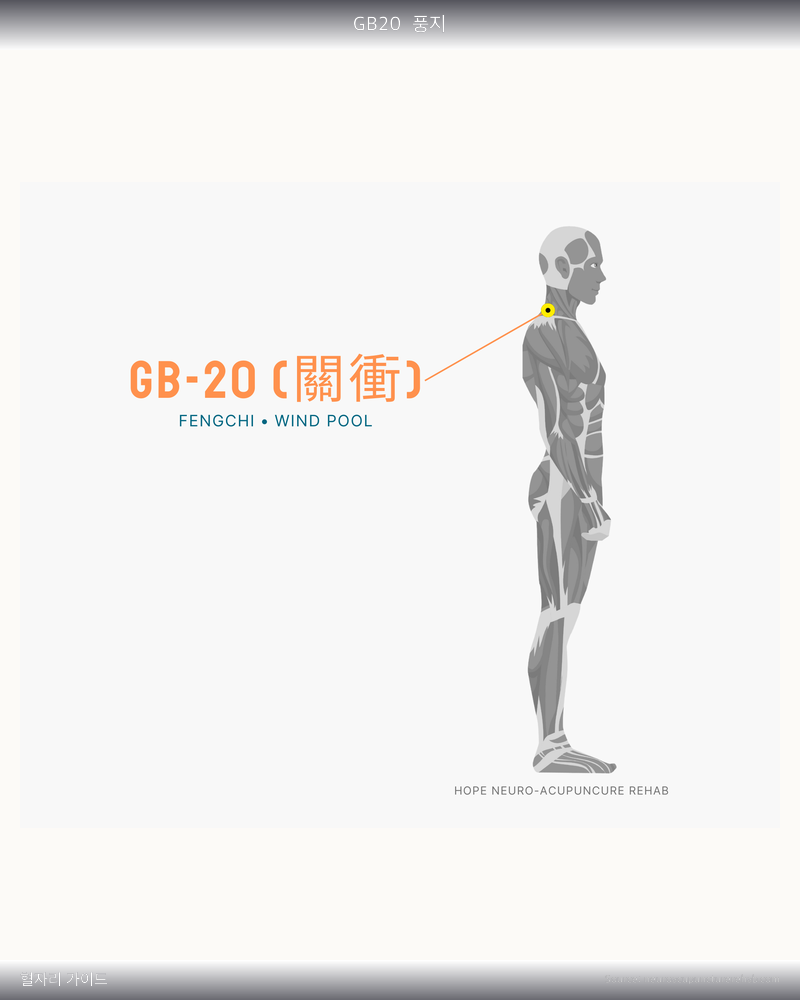
    GB20 혈자리 위치 그림

    “Do I Have to Take Pills Again…” We Understand That Worry

    When your head starts throbbing, you instinctively reach for the pain reliever in the drawer. But this is already the third time this week… “Is it okay to take them this often?” The anxiety creeps in.

    Taking painkillers more than 10 days per month can actually cause ‘Medication Overuse Headache (MOH).’ Instead of solving headaches, the medication creates them — a paradoxical situation.

    The good news is that many mild to moderate headaches can be managed without medication. Try these 3 things before reaching for pills.

    Method 1: Hegu + Fengchi Acupressure (3 minutes)

    Research shows Hegu (LI4) acupressure promotes endorphin release and modulates headache-related nerve signaling.

    Hegu (LI4) — Your Body’s Natural Painkiller Button

    LI4 acupuncture point
    1. Press the fleshy mound between thumb and index finger firmly with the opposite thumb
    2. Press 5 seconds, release 3 seconds, repeat 10 times (about 1 min 30 sec)
    3. A deeply satisfying ache is the right pressure
    4. Do both hands

    Fengchi (GB20) — Blocking Headaches from the Back of the Neck
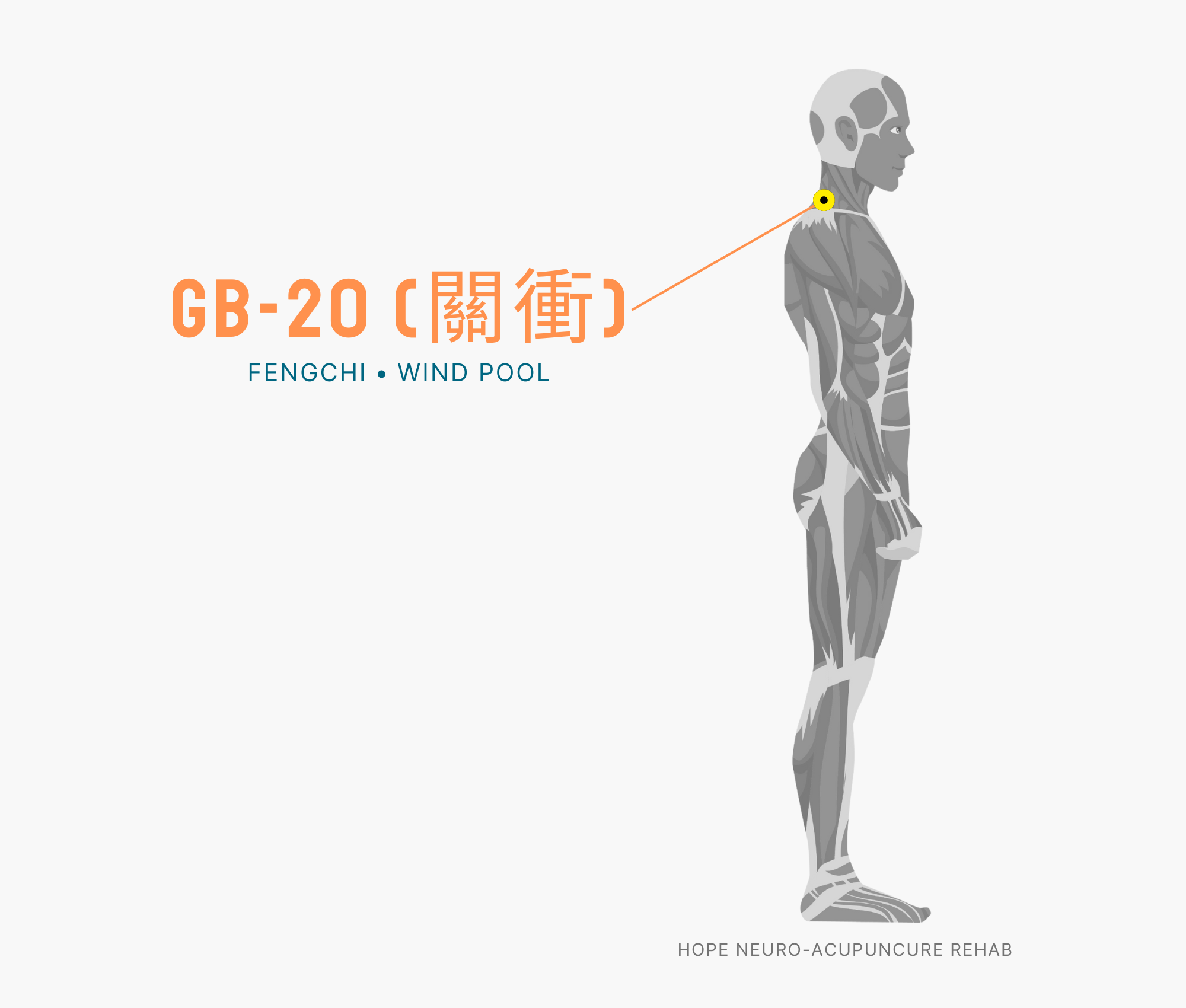
    GB20 acupuncture point
    1. Place your thumbs in the hollows on both sides of the spine at the base of the skull
    2. Press upward toward the skull for 5 seconds
    3. Rest 3 seconds, press again for 5 seconds, repeat 10 times (about 1 min 30 sec)

    Method 2: Hydration (1 minute)

    One hidden cause of headaches is dehydration. Even a 1-2% drop in body water can trigger headaches.

    1. Slowly drink 300-500ml of lukewarm water
    2. Avoid very cold water — it can constrict blood vessels
    3. Coffee and green tea have diuretic effects that can actually worsen dehydration

    Checklist: How much water have you had today? Adults need 1.5-2L daily.

    Method 3: 4-7-8 Breathing Technique (2 minutes)

    For stress-related headaches, breathing techniques are surprisingly effective. They activate the parasympathetic nervous system, releasing muscle tension and blood vessel constriction.

    1. Find a comfortable position and close your eyes
    2. Inhale through your nose for 4 seconds
    3. Hold your breath for 7 seconds
    4. Exhale through your mouth for 8 seconds (making a “whoosh” sound is fine)
    5. Repeat 4 times — about 2 minutes total. You’ll definitely feel the relaxation

    Comparing the 3 Methods

    Method Time Best For Effect Timing
    Acupressure (Hegu+Fengchi) 3 min All headache types 10-15 min
    Hydration 1 min Dehydration headaches 20-30 min
    4-7-8 Breathing 2 min Stress headaches Immediate-10 min

    What If It Still Doesn’t Work?

    If you’ve tried all 3 methods for 30 minutes with no improvement, it’s okay to take medication. The important thing is breaking the habit of automatically reaching for pills first. This practice alone can reduce your medication frequency by half or more.

    Frequently Asked Questions

    Are these methods really as effective as painkillers?

    For mild headaches, these 3 methods alone often resolve the problem. For moderate or worse headaches, try for 30 minutes and take medication if there’s no improvement.

    Do I need to do all 3?

    1-2 methods may be enough depending on your situation. If you’re really short on time, just try the first one (Hegu acupressure).

    Can children do acupressure?

    Yes, but press more gently than for adults. For children under 5, a parent gently rubbing the area is sufficient.

    Why is taking headache medication frequently bad?

    Taking medication more than 10 days per month can cause ‘Medication Overuse Headache.’ You get trapped in a cycle where headaches worsen when medication wears off.

    Do these methods work for migraines?

    They can be effective during the early stage (aura phase). For full-blown migraines, medication may be needed — consult a specialist.
    Pregnancy Warning: Among the acupoints in this article, Hegu (LI4) may cause stimulation in pregnant women. If you are pregnant or may be pregnant, please consult a professional before applying pressure.
    Medical Disclaimer: This article is for informational purposes only and does not replace professional medical diagnosis or treatment. If symptoms persist or worsen, please consult a healthcare professional.
  • Self-Massage to Relieve Headaches Before Sleep

    Self-Massage to Relieve Headaches Before Sleep

    Quick Summary: Melt away your headache and drift into deep sleep with a 5-minute self-massage routine before bed. Follow the sequence: Fengchi → Taiyang → Baihui → neck stretching!
    GB20 혈자리 위치 그림

    End of the Day, Head Pounding… Can’t Even Sleep

    You’ve worked all day and finally got home, but your head is throbbing. The back of your neck is stiff, your forehead feels heavy and foggy. Even when you lie down to sleep, the pulsing pain keeps you awake.

    Most nighttime headaches are caused by muscle tension and eye fatigue accumulated throughout the day. It gets especially worse on days when you’ve stared at a monitor for long hours or experienced a lot of stress.

    You don’t want to take medication before bed… That’s when this 5-minute self-massage you can do right in bed comes in handy. It relieves headaches and helps induce deep sleep.

    STEP 1: Fengchi (GB20) Massage — Release Back-of-Neck Tension (1 min 30 sec)

    Staring at a monitor all day causes the muscles at the back of your neck to become tightly knotted. Fengchi is the key acupoint for directly releasing this tension.

    1. While lying down, bring both hands behind your head
    2. Find the hollow spots where your neck meets the skull with your thumbs
    3. Slowly press upward (toward the skull) for 5 seconds
    4. Rest for 3 seconds, then press again for 5 seconds — repeat 10 times
    5. Finish by making small circles with your thumbs for 30 seconds

    STEP 2: Taiyang (EX-HN5) Relaxation — Release Temple Tension (1 min)

    1. Gently place your middle fingers on your temples
    2. Close your eyes and slowly massage in circles for 30 seconds
    3. Then gently press and hold for 5 seconds, 6 times
    4. Breathing deeply while doing this makes it more effective

    STEP 3: Baihui (GV20) Tapping — Clear Your Mind (1 min)

    1. Lightly tap the crown of your head with your fingertips (30 seconds)
    2. Gradually slow the tapping rhythm — at the end, simply rest your fingers on your head for 5 seconds
    3. Your whole head feels lighter and your eyes naturally close

    STEP 4: Neck and Shoulder Stretching (1 min 30 sec)

    1. Side neck tilts: Slowly tilt your right ear toward your right shoulder, hold for 10 seconds, then switch sides
    2. Chin tuck: While lying down, pull your chin toward your chest so the back of your neck stretches — hold for 10 seconds
    3. Shoulder shrugs: Raise your shoulders up to your ears, then release and let them drop — 5 times

    Bedtime Routine Timeline

    Order Movement Duration Effect
    1 Fengchi massage 1 min 30 sec Release back-of-neck tension
    2 Taiyang relaxation 1 min Relieve temple pain
    3 Baihui tapping 1 min Brain relaxation, sleep induction
    4 Neck/shoulder stretching 1 min 30 sec Muscle relaxation

    Additional Tips for Better Sleep

    • Pillow height: Ideally, your neck should be straight when lying down (usually 6–8 cm)
    • Room temperature: 18–20°C (64–68°F) is optimal for sleep
    • No smartphones: Block blue light at least 30 minutes before bed
    • Lavender scent: A drop of lavender oil near your pillow helps with relaxation

    Frequently Asked Questions

    Does acupressure before bed also help with sleep?

    Yes! Fengchi and facial acupoint massage activates the parasympathetic nervous system, which also helps induce sleep. It’s a two-for-one benefit: headache relief plus better sleep.

    Can I do this while lying down?

    Yes, lying down is actually more effective because your neck and shoulders are more relaxed. Try lying flat without a pillow.

    Is it better to use aroma oils together?

    Applying a small amount of peppermint or lavender oil to your temples before massaging adds headache relief and relaxation benefits.

    How many minutes before bed should I do this?

    Start about 15–20 minutes before bed. If you lie down right after acupressure, you can fall asleep while still in a relaxed state.

    Why do I often get headaches at night?

    Muscle tension, stress, and eye fatigue accumulated throughout the day all hit at once in the evening. An improper pillow height can also cause nighttime headaches.

    ⚠️ Medical Disclaimer: This article is for informational purposes only and does not replace professional medical diagnosis or treatment. If symptoms persist or worsen, please consult a healthcare professional.
  • Emergency First Aid When You Strain Your Back Lifting Something Heavy

    Emergency First Aid When You Strain Your Back Lifting Something Heavy

    Summary: Step-by-step emergency response and self-acupressure for when you strain your back lifting something heavy, plus the proper recovery process.

    ST36 혈자리 위치 그림

    “Ouch!” Something Popped in My Back While Lifting…

    The moment you lifted that delivery box, while moving furniture, while trying to carry that heavy load — ‘pop!’ Something shifted in your back and sharp, electric-like pain shoots through. You can’t breathe.

    Your back seizes up right there and you can’t move. It’s not just a dull ache — it feels like being stabbed with a knife. “Did I just blow a disc?” Fear rushes in. Everything goes dark and cold sweat breaks out.

    Take a deep breath first. Straining your back while lifting heavy objects is most commonly an acute muscle or ligament sprain. Follow these steps calmly and you can recover quickly.

    Right After the Strain — 5-Step Emergency Response

    Step 1. Stop (0-5 minutes)

    The moment pain hits, immediately stop what you’re doing. Put down the object and find the most comfortable position right where you are. Never think “I can push through this” and keep lifting!

    Step 2. Lie Down Comfortably (5-10 minutes)

    • Slowly lie down nearby, or lean against a wall and sit on the floor
    • When lying on your side, keep the painful side up with knees bent
    • When lying on your back, place anything (a bag, folded clothes) under your knees

    Step 3. Relieve Muscle Spasms with Breathing (5 minutes)

    When you strain your back, the muscles contract strongly as a protective response. You need to release these spasms:

    1. Breathe in deeply through your nose for 4 seconds (let your belly expand)
    2. Breathe out slowly through your mouth for 6 seconds (imagine the muscles relaxing)
    3. Repeat 10-15 times. You’ll feel the spasms gradually releasing

    Step 4. Self-Acupressure (5-10 minutes)

    Don’t touch the back directly. Start with distant acupoints:

    Weizhong (BL40) — Acute Back Pain Specialist

    Press the center behind the knee firmly with both thumbs. 5 seconds press, 3 seconds release, 10 times. “For back pain, seek Weizhong” — press this one first during acute episodes.

    Kunlun (BL60) — Back-to-Leg Line Release

    Press between the outer ankle bone and Achilles tendon with a pinching motion, 3 seconds each, 10 times on both sides.

    Once Pain Subsides — Shenshu (BL23)

    Gently massage both sides of the lower back with thumbs in circles. Start light and gradually increase pressure.

    Step 5. Cold Therapy (15 minutes)

    Wrap an ice pack or frozen vegetable bag in a towel and apply to the painful area for 15 minutes. Never apply directly to skin — always use a towel barrier. Repeat every hour, 3-4 times daily.

    Post-Strain Recovery Timeline

    • Day 0-2: Most painful period. Focus on rest + cold therapy + Weizhong acupressure
    • Days 3-5: Pain decreases, slight movement possible. Switch to heat therapy, start gentle stretching
    • Weeks 1-2: Can return to daily activities. Still avoid lifting heavy objects
    • Weeks 3-4: Nearly recovered. Start core strengthening exercises to prevent recurrence

    Prevention: Proper Lifting Technique

    1. Get as close to the object as possible
    2. Place feet shoulder-width apart for a stable base
    3. Bend your knees, not your back — lift with leg power
    4. Keep the object pressed close to your body
    5. Never twist your back while holding an object — turn your whole body instead
    Remember: If there’s no improvement after 3 days, or you have leg numbness, leg weakness, or bladder/bowel issues, see a doctor immediately.

    Frequently Asked Questions

    Can I apply a pain patch right after straining my back?

    Cooling patches are fine. Avoid heat patches for the first 48 hours — heat can worsen swelling and inflammation.

    Can I take a hot bath after straining my back?

    Avoid hot baths right after. After 2-3 days when pain subsides, a short warm shower is okay.

    How many days should I rest after straining my back?

    Complete bed rest for 1-2 days is enough. After that, gradually moving within your pain tolerance helps recovery.

    How do I tell the difference between a strain and a disc problem?

    A strain causes stiffness and pain around the back. A disc issue causes numbness radiating down the leg. If coughing makes your leg tingle, suspect a disc problem.

    How should I lift heavy objects to protect my back?

    Keep the object close to your body. Bend your knees, not your back, and lift with leg power. Never twist your back while lifting.

    Medical Disclaimer: This article is for informational purposes only and does not replace professional medical diagnosis or treatment. If symptoms persist or worsen, please consult a healthcare professional.
  • My Back Hurts So Bad I Can’t Move — What to Do

    My Back Hurts So Bad I Can’t Move — What to Do

    Summary: When back pain is so severe you can’t move, here are safe pain-relieving positions, breathing techniques, self-acupressure, and warning signs that require a hospital visit.

    ST36 혈자리 위치 그림

    “Ugh…” My Back Seized Up and I Can’t Move at All

    Suddenly your back went ‘pop’ and now sharp, electric-like pain shoots through. Even breathing makes your back ache, and the slightest turn feels like being stabbed. You can’t get out of bed, and just going to the bathroom feels like a battle.

    “What if I can’t move like this?” Fear rushes in. You feel bad asking for help, and even though you want to see a doctor, you can’t even get into the car. This isn’t just a dull ache — it’s genuine, knife-like pain.

    If you’re reading this right now, first take a breath and relax. Most acute back pain improves within a few days. Let me walk you through what you can do right now, step by step.

    Step 1. Find a Safe Position First

    Don’t force yourself to get up. Find the most comfortable position on the floor or bed first.

    • Lie on your side: Slightly bend your knees and place a pillow or blanket between them
    • Lie on your back: Place a cushion or folded blanket under your knees so your lower back rests flat
    • Never do this: Avoid lying face down — it puts extra strain on your back

    Step 2. Release Muscle Spasms with Breathing

    When pain is severe, you unconsciously hold your breath. This makes muscles even tighter.

    1. Breathe in slowly through your nose for 4 seconds (let your belly expand)
    2. Breathe out slowly through your mouth for 6 seconds (let your belly naturally deflate)
    3. Repeat 5-10 times — you’ll feel the spasms around your back gradually releasing

    Step 3. Press Acupoints Far from the Back First

    When you’re scared to touch your back directly, pressing distant acupoints can still reduce pain.

    Weizhong (BL40) — Behind the Knee

    BL40 acupuncture point

    While lying down, slightly bend your knees and press the center of the back of your knee with your thumbs for 5 seconds. Repeat 10 times — you’ll feel the back tension gradually releasing.

    Kunlun (BL60) — Behind the Outer Ankle Bone

    BL60 acupuncture point

    Press between the outer ankle bone and Achilles tendon with your thumb and index finger in a pinching motion. 10 times on each side releases tension along the back-to-leg line.

    Step 4. Use Cold Therapy to Fight Inflammation

    Within 48 hours of pain onset, wrap an ice pack in a towel and apply to the painful area for 15 minutes. Rest for 1 hour, then repeat for 15 minutes. Do this 3-4 times daily to reduce swelling and inflammation.

    See a Doctor Immediately If You Have These Symptoms

    • Loss of leg strength or inability to lift your foot
    • Difficulty controlling bladder or bowels
    • Fever above 38°C (100.4°F) accompanying pain
    • Pain not improving at all after 3+ days
    • Progressive numbness from buttocks to toes

    Recovery Timeline

    Acute back pain typically follows this course:

    • Days 1-2: Most painful period. Focus on rest and cold therapy
    • Days 3-5: Gradually able to move. Start gentle acupressure and stretching
    • Weeks 1-2: Return to daily life. Good time to start core strengthening to prevent recurrence

    Frequently Asked Questions

    Should I go to the ER if I can’t move due to back pain?

    If you lose bladder/bowel control or leg strength, go to the ER immediately. Simple muscle spasms often improve with rest.

    Does lying position matter when I can’t move?

    Yes, very much. Lie on your side with a pillow between your knees, or lie on your back with a cushion under your knees.

    Can I do acupressure when I’m in too much pain to move?

    Start with points far from the back like Weizhong (behind knee) and Kunlun (ankle). Wait until pain subsides before pressing the back directly.

    Cold or heat therapy for acute back pain?

    Within 48 hours, use cold therapy (ice pack wrapped in towel for 15 min). Switch to heat therapy after that.

    What are the warning signs to see a doctor?

    See a doctor if leg numbness worsens, you can’t lift your foot, have bladder/bowel issues, or fever accompanies back pain.

    Medical Disclaimer: This article is for informational purposes only and does not replace professional medical diagnosis or treatment. If symptoms persist or worsen, please consult a healthcare professional.
  • Back Pain from Sitting Too Long — 1-Minute Chair Stretches

    Back Pain from Sitting Too Long — 1-Minute Chair Stretches

    Summary: 4 stretches you can do in your chair in just 1 minute to relieve a stiff back from prolonged sitting, plus acupressure techniques for your lower back.

    ST36 혈자리 위치 그림

    Sitting All Day Makes Your Back So Stiff…

    Three hours in front of the monitor already. Your hips are flattened, your back is getting stiffer by the minute. When you try to stand up, you can’t help but groan. Tapping your aching back with your hands only helps for a moment.

    The average office worker sits more than 8 hours a day. The pressure on spinal discs while sitting is 40% higher than when standing. No wonder sharp back pain develops.

    “But I still have to work…” Exactly. That’s why we prepared this. Super simple stretches you can do without even leaving your seat, in just 1 minute.

    4 Chair Stretches for Your Back in 1 Minute

    Move 1. Seated Spinal Twist (15 seconds)

    1. Sit straight in your chair with both feet flat on the floor
    2. Place your right hand on your left knee and slowly twist your upper body to the left
    3. Hold 7 seconds, then switch sides for 7 seconds

    You might hear a soft ‘pop’ — that’s normal. Just don’t force the cracking sound.

    Move 2. Seated Cat-Cow Stretch (15 seconds)

    1. Place both hands on your knees
    2. Inhale: push your chest forward, arch your back (cow pose)
    3. Exhale: round your back, tuck your chin (cat pose)
    4. Slowly repeat 5 times

    Move 3. Seated Forward Fold (15 seconds)

    1. Sit with feet shoulder-width apart
    2. Slowly fold forward until your hands reach the floor
    3. Feel the stretch along your back and hold for 15 seconds

    Move 4. Hip Stretch (15 seconds)

    1. Place your right ankle on your left knee (figure-4 shape)
    2. Lean your upper body slightly forward — you’ll feel a deep stretch in your hip
    3. Hold 7 seconds, then switch sides for 7 seconds

    Bonus: Self-Acupressure After Stretching

    After loosening up with stretches, adding acupressure doubles the effect!

    • Shenshu (BL23): Place both hands on your lower back, press with thumbs on both sides of the spine. 5 seconds x 5 times.
    • Weizhong (BL40): Discreetly press behind your knee under the desk. Nobody will notice!

    Back-Saving Sitting Habits

    • Push your hips deep into the chair with your back against the backrest
    • Adjust your monitor so the top is at eye level
    • Keep your entire foot flat on the floor (use a footrest if chair is too high)
    • Set a timer every 50 minutes for a stretch break

    Frequently Asked Questions

    How long sitting causes back problems?

    Sitting for more than 1 hour continuously increases disc pressure. Get up or stretch every 50 minutes.

    Do chair stretches really work?

    Yes! Research shows simple chair twists and forward bends can reduce back muscle tension by 30% or more.

    Are there discreet stretches for the office?

    Pelvic tilts and placing one ankle on the opposite knee while seated are barely noticeable to coworkers.

    Do lumbar cushions help?

    Yes, lumbar support cushions are effective. They maintain the natural C-curve of your lower back.

    Are standing desks actually better?

    Alternating between sitting and standing is best. Standing all day can also strain your back. Try 30 min sitting + 10 min standing.

    Medical Disclaimer: This article is for informational purposes only and does not replace professional medical diagnosis or treatment. If symptoms persist or worsen, please consult a healthcare professional.
  • Why Does My Back Hurt? Causes and Self-Care Guide

    Why Does My Back Hurt? Causes and Self-Care Guide

    Summary: A complete guide to the 7 causes of back pain and self-care methods for each. From acupressure to stretching to lifestyle changes — all in one place.

    ST36 혈자리 위치 그림

    “Why Does My Back Hurt So Much?”

    When your back is aching but you don’t know the cause, anxiety builds up. “Could it be a disc?” “Is it something serious?” You end up rubbing your sore back while searching for ‘back pain causes.’

    Back pain is incredibly common — 80% of people experience it at least once in their lifetime. It can range from sharp and electric to stiff and rigid to heavy and pressing. You need to understand the cause to address it properly.

    Here are the 7 main causes of back pain and tailored self-care for each situation.

    7 Main Causes of Back Pain

    1. Muscle & Ligament Strain (Most Common, 85-90%)

    Lifting heavy objects, sudden twisting, or repeated poor posture causes micro-tears in muscles and ligaments. Characterized by aching, sore pain.

    Self-Care: Initial cold therapy, switch to heat after 2 days, acupressure on Shenshu (BL23) and Dachangshu (BL25), gentle stretching

    2. Disc (Intervertebral Disc) Problems

    When the cushion between vertebrae (disc) herniates and presses on nerves, radiating pain shoots down to the legs.

    Self-Care: McKenzie extension exercises (prone press-ups), Weizhong (BL40) acupressure. See a specialist if leg numbness is severe

    3. Poor Posture

    Slouching, crossing legs, leaning to one side on the couch — when these become habits, spinal alignment breaks down.

    Self-Care: Posture correction every 50 minutes, desk stretches, Yaoyangguan (GV3) acupressure

    4. Weak Core Muscles

    When abdominal and back muscles are weak, they can’t properly support the spine, increasing the load on it.

    Self-Care: Core exercises 3-5 times per week — bridges, dead bugs, bird dogs

    5. Spinal Stenosis

    Mainly affects people over 50. The spinal canal narrows, causing leg numbness and heaviness when walking. Characteristically improves when sitting.

    Self-Care: Cycling (symptoms improve in forward-leaning position), Weizhong and Kunlun (BL60) acupressure. Professional consultation recommended

    6. Stress & Psychological Factors

    Stress causes unconscious tension in back muscles. If tests show nothing wrong but pain persists, consider psychological factors.

    Self-Care: Diaphragmatic breathing, meditation, light walks, Shenshu (BL23) acupressure for relaxation

    7. Referred Pain from Internal Organs

    Kidney disease, digestive disorders, and gynecological conditions can manifest as back pain.

    Self-Care: If pain is unrelated to posture, or accompanied by fever or urinary issues, a medical checkup is essential

    Acupressure Points by Cause

    Cause Recommended Acupoints Technique
    Muscle strain Shenshu (BL23), Dachangshu (BL25) Circular thumb pressure, 30 sec each
    Disc problems Weizhong (BL40), Kunlun (BL60) 5-second press x 10 reps
    Poor posture Yaoyangguan (GV3), Shenshu (BL23) Knuckle rub up and down
    Stress Shenshu (BL23), Taichong (LR3) 1 minute with deep breathing

    Daily Back Health Rules

    • Bend your knees, not your back, when lifting objects
    • Avoid staying in the same position — move every 50 minutes
    • Sleep on your side with a pillow between your knees
    • Maintain a healthy weight (excess weight dramatically increases back strain)
    • Make 5 minutes of daily core exercises and back stretching a habit

    Frequently Asked Questions

    What is the most common cause of back pain?

    Muscle and ligament strains are the most common, accounting for 85-90% of all back pain. Poor posture, sudden movements, and heavy lifting are typical triggers.

    How can I tell the difference between a disc problem and regular back pain?

    Numbness or radiating pain going down the leg suggests a disc issue. If coughing or sneezing causes tingling down to your leg, get it checked.

    Can people who exercise a lot still get back pain?

    Yes! Exercising with poor form or lifting excessive weight can actually injure your back. Proper form is most important.

    Can internal organ problems cause back pain?

    Yes, kidney stones, endometriosis, pancreatitis and others can manifest as back pain. If pain is unrelated to posture changes, or accompanied by fever or urinary issues, get a medical checkup.

    Can self-care alone cure back pain?

    Mild to moderate muscular back pain often improves within 2-4 weeks with self-care alone. But severe or long-lasting symptoms need professional evaluation.

    Medical Disclaimer: This article is for informational purposes only and does not replace professional medical diagnosis or treatment. If symptoms persist or worsen, please consult a healthcare professional.
  • Acute vs Chronic Back Pain: Which Pressure Point Is Right for You?

    Acute vs Chronic Back Pain: Which Pressure Point Is Right for You?

    Summary: Acute and chronic back pain have different causes and require different approaches. Here’s a comparison of the best acupressure, exercise, and lifestyle management for each type.

    ST36 혈자리 위치 그림

    Same Back Pain — Why Do Different Approaches Matter?

    Some people were perfectly fine yesterday, then suddenly felt a ‘pop!’ and threw out their back. Others have had a dull, persistent ache for months that just won’t go away. Both say “my back hurts,” but what’s happening inside is completely different.

    Using chronic treatments for acute pain slows recovery. Using only acute treatments for chronic pain misses the root cause. Sharp, electric-like acute pain versus heavy, dull chronic pain — let’s learn to tell them apart clearly.

    You need to know exactly which type your back pain falls under to find the right solution.

    Acute vs Chronic Back Pain at a Glance

    Category Acute Back Pain Chronic Back Pain
    Duration Within 4 weeks 12 weeks (3 months) or more
    Pain Type Sharp, stabbing, electric-like Dull, heavy, stiff
    Main Causes Muscle strain, ligament injury, sudden impact Poor posture, weak core, disc degeneration
    Heat/Cold Cold therapy (within 48 hours) Heat therapy
    Exercise Initial rest, then light walking Core strengthening, swimming, Pilates
    Recovery 2-4 weeks Long-term management needed

    Acute Back Pain — How to Manage

    Immediately After Onset (Days 1-2)

    • Don’t overdo it — rest in a comfortable position
    • Wrap an ice pack in a towel, apply for 15 minutes, repeat hourly
    • When lying down, place a cushion under your knees to reduce pressure on your back

    Acute Phase Acupressure — Weizhong (BL40) Is Key

    BL40 acupuncture point

    When acute pain is severe, press acupoints far from the back:

    • Weizhong (BL40): Press the back of the knee crease for 5 seconds, 10 times. There’s a traditional saying: “For back pain, seek Weizhong”
    • Kunlun (BL60): Press behind the outer ankle bone for 3 seconds, 10 times. Effective for pain radiating down the leg

    From Day 3 — Start Moving Gradually

    Staying in bed actually slows recovery. Start with 5-10 minutes of light walking.

    Chronic Back Pain — How to Manage

    Pain Management — Heat Therapy + Acupressure

    • Apply heat for 15 minutes to promote blood circulation, then follow with acupressure
    • Shenshu (BL23): Press both sides of the lower back with thumbs in circular motions for 1 minute each. Addresses root fatigue
    • Dachangshu (BL25): Press firmly below Shenshu to relieve lower back pain
    • Yaoyangguan (GV3): Rub up and down along the center of the spine with your knuckles

    Root Solution — Core Strengthening Is Key

    Once pain is somewhat managed, build core muscles to prevent recurrence:

    • Core training 3-5 times per week with bridges, dead bugs, and bird dogs
    • Combine with low-impact cardio like walking and swimming
    • Focus on stability exercises rather than heavy weights

    Preventing Acute from Becoming Chronic

    • After the acute phase, don’t rest too long — gradually increase activity
    • Reduce fear of pain (kinesiophobia) — “it’s okay to move”
    • Start light core exercises within 2 weeks
    • If not improving after 4 weeks, see a specialist

    Frequently Asked Questions

    Can I prevent acute back pain from becoming chronic?

    Yes! Proper management during the acute phase can prevent chronification. The key is early rest followed by a quick return to daily activities, and starting light exercise within 2 weeks.

    Is it true I should stay still and rest with acute back pain?

    Rest is needed for the first 1-2 days, but staying in bed beyond that actually slows recovery. Maintain gentle movement within your pain tolerance.

    Does back pain always mean a herniated disc?

    No. 85-90% of acute back pain is muscle or ligament strain. Most cases improve within 2-4 weeks without MRI. If you have severe leg numbness, get checked.

    Are different exercises needed for acute vs chronic pain?

    For acute: light walking and stretching only. For chronic: active exercise therapy like core strengthening, swimming, and Pilates is needed.

    When should I use pain patches or painkillers?

    Anti-inflammatory painkillers work well for acute back pain. For chronic back pain, don’t rely solely on medication — combine with exercise, acupressure, and posture correction.

    Medical Disclaimer: This article is for informational purposes only and does not replace professional medical diagnosis or treatment. If symptoms persist or worsen, please consult a healthcare professional.