One-line summary: Aching shoulders crushed by a heavy bag — quickly relieve them with Jianjing (GB21) and Hegu (LI4) acupressure, then change your bag-carrying habits to prevent recurrence.
After Putting Down My Bag, My Shoulder Feels Like It’s Breaking
Laptop, books, tumbler, umbrella… there’s so much to put in your bag. After commuting with a heavy bag on one shoulder, your shoulder aches and pulls. Even after setting the bag down, that compressed feeling lingers for a long time.
If the habit of carrying on one side continues, your shoulders start becoming uneven. The tight side gradually rises, and as your lower back twists, it can lead to full-body misalignment. Your neck stiffens and headaches often follow too.
Let us show you emergency acupressure for immediate shoulder relief and posture correction tips to prevent shoulder pain going forward.
Emergency Acupressure for Bag-Related Shoulder Pain
1. Jianjing (GB21) — Direct Relief for Compressed Shoulders
Touch the top of the shoulder that carried the bag. At the midpoint between your neck and shoulder tip, you’ll find a hardened, knotted area. That’s Jianjing.
- Press Jianjing firmly with the middle and index fingers of the opposite hand
- 3 seconds press, 3 seconds rest, repeat 10 times
- While pressing, slowly rotate the shoulder that carried the bag
- An achy yet refreshing sensation is the right intensity
2. Hegu (LI4) — Remote Relief for Shoulder Pain

Press the highest point of the raised muscle in the webbing between thumb and index finger with the opposite thumb. 3-5 seconds press, 3 seconds rest, 8 times each hand. You can do this on the go — start right on the subway or bus.
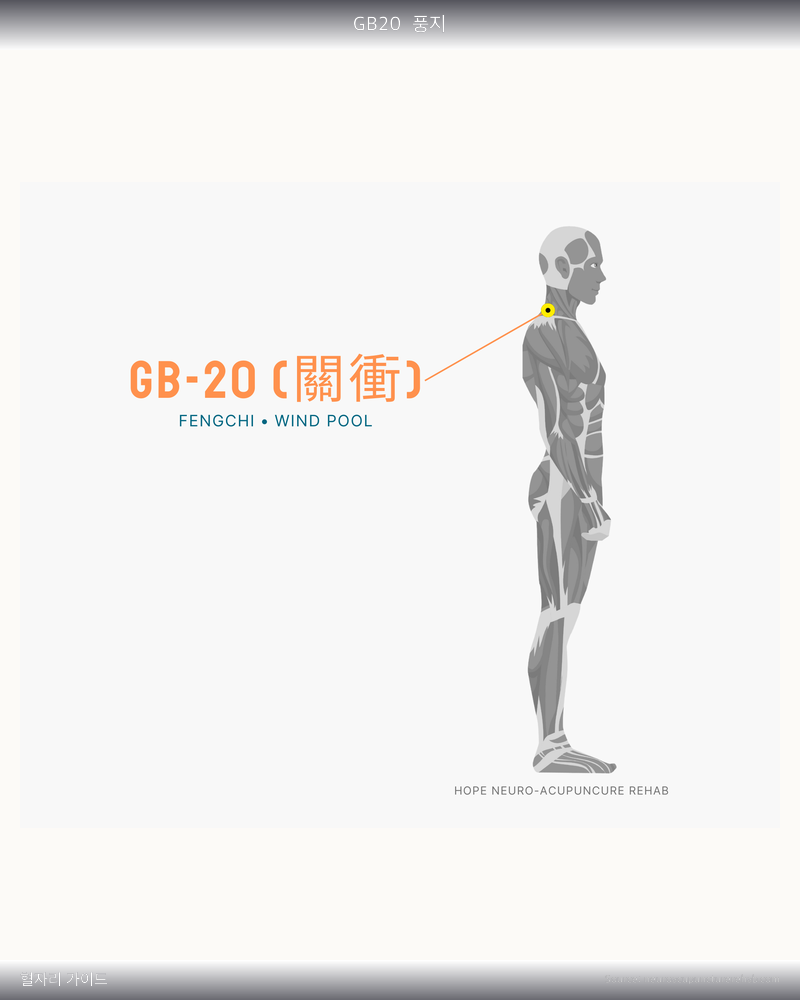
3. Fengchi (GB20) — Releasing Stiffness Extending to the Neck
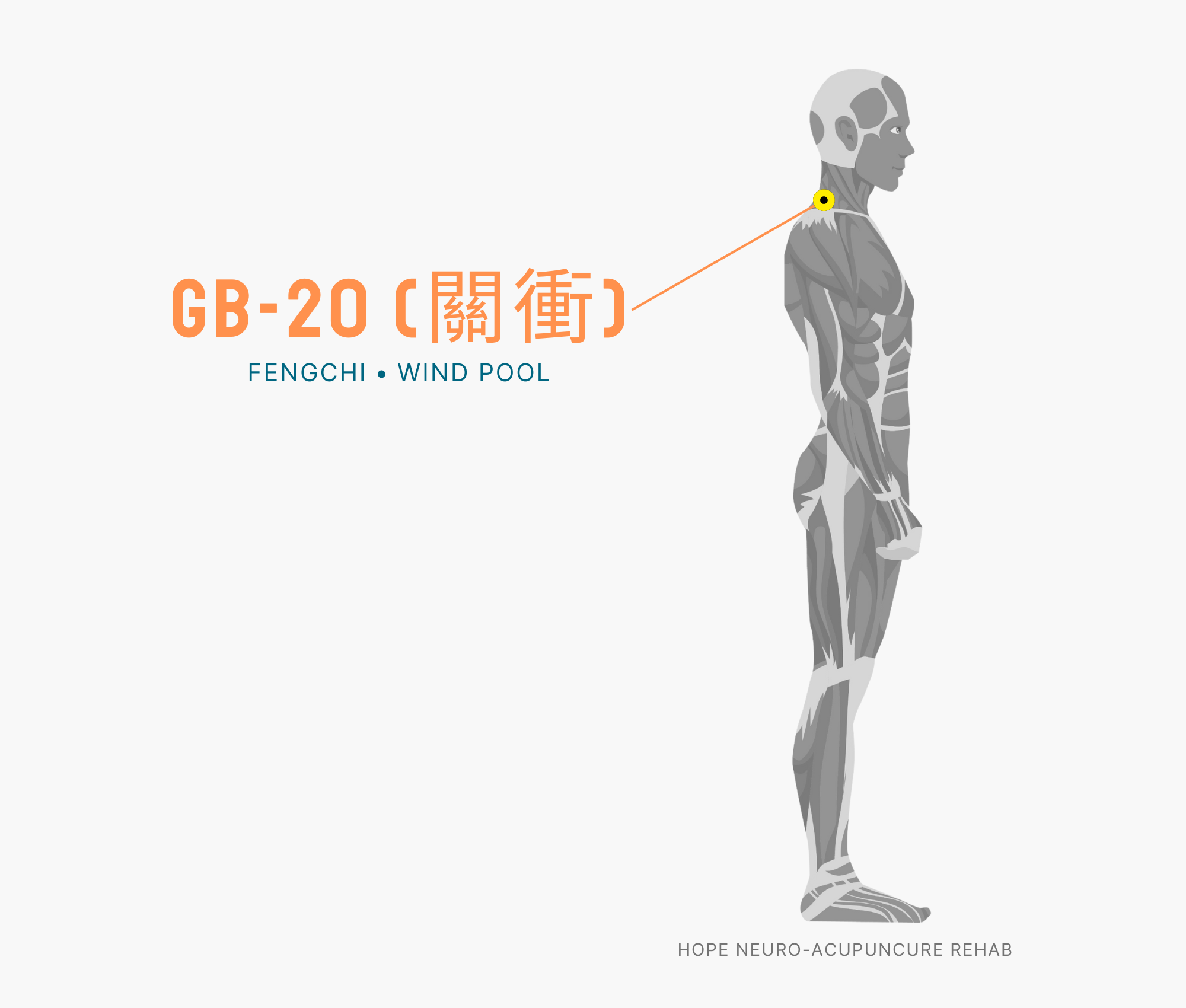
Press the hollow spots on both sides at the base of your skull with your thumbs, pressing upward for 5 seconds, 8 times. The stiffness in the neck-shoulder connection caused by the heavy bag melts away refreshingly.
1-Minute Post-Bag Stretch
- Shoulder shrug release: Shrug both shoulders up to your ears, then drop them sharply 5 times. The compressed muscles will relax.
- Cross-arm stretch: Extend the sore arm across your chest and pull with the opposite hand. Hold 15 seconds x 2 reps.
- Neck side tilt: Tilt your head away from the sore side to stretch the side neck muscles. Hold 15 seconds x 2 reps.
Fixing Your Bag-Carrying Habits
Single Shoulder Bag — Alternate Sides Daily
Carry on the left one day, the right the next. Sticking to the same side worsens the imbalance.
Crossbody Bags Are Better Than Shoulder Bags
Wearing crossbody distributes weight so the burden isn’t concentrated on one shoulder.
Backpacks Are Best for Your Shoulders
Backpacks distribute weight evenly across both shoulders. Use both straps and shorten them so the bag sits high on your back.
Weight Reduction Checklist
- Laptop: Switch to a lighter model or leave it behind on unnecessary days
- Tumbler: Downsize to 500ml or smaller
- Books: Switch to e-books where possible
- Umbrella: Use an ultralight folding umbrella (under 200g)
Bag Weight Guidelines
To protect your shoulders, keep bag weight within 10% of your body weight. For someone weighing 60 kg, 6 kg is the appropriate maximum. Anything more puts chronic strain on your shoulders.
Frequently Asked Questions
My shoulder hurts from my bag. Which side should I carry it on?
Don’t stick to one side — alternate daily. If possible, a backpack with both straps is best.
Does a crossbody bag cause less shoulder pain?
It’s better than a shoulder bag since weight is distributed across to the other side. However, the strap still presses on your shoulder, so it will still hurt if too heavy.
For bag-related shoulder pain, should I use hot or cold compress?
For chronic, achy pain from bag pressure, warm compresses are better. A warm towel for 15-20 minutes promotes blood circulation and loosens knotted muscles.
Is it true that wider bag straps are better?
Yes, that’s correct. Wider straps distribute pressure so they dig in less. A backpack with wide, padded straps is ideal.
My shoulders are already uneven. Can it be corrected?
Yes, it’s possible. Changing your bag-carrying habits and consistently doing shoulder balance exercises will gradually improve it. For severe cases, consider seeing a physical therapist.
Leave a Reply