“`html
Introduction
Are you struggling with symptoms where your breathing keeps stopping and starting throughout the night? Sleep apnea is not simply snoring. It is a condition where the airway becomes partially or completely blocked during sleep, causing breathing to stop repeatedly, which can lead to oxygen deprivation in the brain, fragmented sleep, and chronic fatigue. Beyond CPAP machines and surgery, acupressure on acupoints from traditional medicine can help relieve symptoms through improved respiratory function, relaxation of neck muscles, and mental and physical calm. In this article, we introduce the precise locations of 5 acupoints effective for sleep apnea relief and self-acupressure methods.
5 Acupoints Explained
1️⃣ Anmian (An-mien, EX-HN22) — Sleep Relief Acupoint
Location: Behind the ear, about 1.5 cm below the hollow area beneath the mastoid process (the bone behind the ear). There are 2 acupoints symmetrically located behind each ear.
Pressing Method: Repeat slowly pressing and releasing with your thumb or middle finger for 3-5 seconds. Perform 2 times daily, 30 minutes before bedtime for best results.
Effect: It promotes the secretion of sleep-inducing neurotransmitters and calms excessive brain activity to induce deep sleep. It is excellent for relieving conscious symptoms caused by sleep apnea and daytime drowsiness.
2️⃣ Fengchi (Feng-chih, GB20) — Neck Tension Relief Acupoint
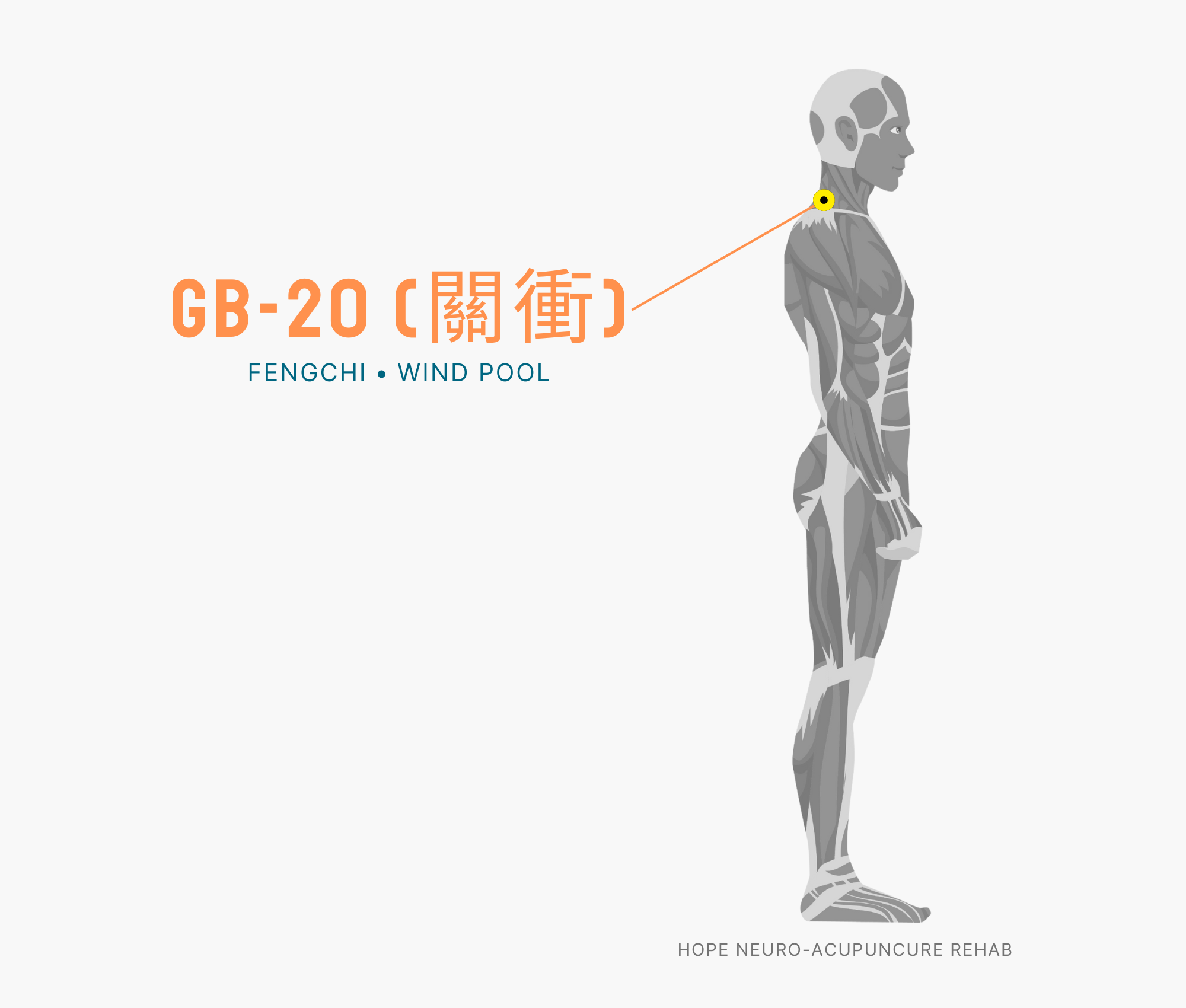
Location: At the back of the neck where the neck and shoulder meet. Located about 2 cm lateral to the spine, roughly below the hollow area beneath the ear.
Pressing Method: Press simultaneously on both sides with your thumbs while making circular massage motions. Maintain for about 1 minute and perform 2 times daily.
Effect: It relieves tension in the muscles around the neck and throat area to alleviate airway constriction. It improves blood circulation around the cervical spine to strengthen respiratory function and reduce snoring and apnea episodes.
3️⃣ Shenmen (Shen-men, HT7) — Key to Mental and Physical Calm

Location: On the inner wrist, about 0.5 cm toward the pinky finger from the wrist crease. It is at the end of the flexor aspect of the inner wrist.
Pressing Method: Slowly press with the thumb of your opposite hand for 3-5 seconds. Perform on both hands, 1-2 times daily.
Effect: It calms the heart and nervous system to reduce anxiety and nighttime awakenings caused by sleep apnea. It improves sleep quality and increases the proportion of REM sleep (deep sleep).
4️⃣ Tiantu (Tian-tu, CV22) — Direct Respiratory System Strengthening
Location: At the front of the neck, in the hollow above the collarbone (upper center of the neck). It is located about 0.5 cm above the hollow where both collarbones meet.
Pressing Method: Repeatedly press and release gently for 1-2 seconds vertically with your ring finger or middle finger. Press gently as pressing too hard may cause discomfort, and it is recommended to perform about 1 time daily.
Effect: It directly stimulates the respiratory system and bronchi to reduce airway resistance. It alleviates upper airway constriction, the root cause of sleep apnea, and improves breathing depth and stability.
5️⃣ Zusanli (Zu-san-li, ST36) — Overall Immune System Enhancement

Location: Below the knee, on the outer side of the calf. About 4 finger widths (approximately 10 cm) below the hollow area under the knee. It is located on the central outer aspect of the tibia.
Pressing Method: Press with your thumb for 3-5 seconds while making circular massage motions. Perform on both legs, maintaining for about 5 minutes once daily.
Effect: It activates immune function to alleviate physical stress caused by sleep apnea. It helps improve digestive function, restore vitality, and reduce nighttime awakenings to enhance overall sleep quality.
5-Minute Self-Acupressure Routine
Recommended time: 30 minutes before bedtime or when waking up in the morning
Sequence:
- Shenmen (HT7) — 1 minute: 30 seconds for each hand. First calm your mind and body.
- Anmian (EX-HN22) — 1 minute: 30 seconds for each side. Activate sleep pathways.
- Fengchi (GB20) — 1.5 minutes: 1 minute on both sides simultaneously, plus additional 30 seconds on each side individually. Release neck tension.
- Tiantu (CV22) — 0.5 minutes: Gentle 30-second pressing. Directly strengthen respiratory function.
- Zusanli (ST36) — 1 minute: 30 seconds for each leg. Complete the routine with overall immune system stimulation.
Tip: A dull ache during acupressure is normal and indicates that the acupoint is being stimulated. With consistent practice 1-2 times daily, you can experience symptom improvement within 2-3 weeks.
“`
Leave a Reply